Ministry of Construction Issues Resolution 1649 Overhauling Administrative Procedures for Future Real Estate Sales

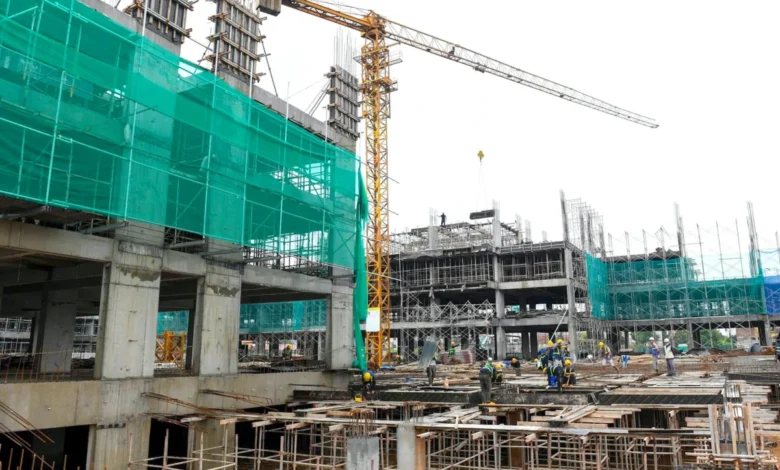
Under the leadership of Minister of Construction Nguyen Van Sinh, the Ministry of Construction has officially signed and promulgated Resolution 1649, introducing significant amendments and supplements to administrative procedures governing the real estate business sector within the agency’s administrative jurisdiction. This decisive regulatory update focuses specifically on reforming and streamlining the formal notification mechanism for off-plan real estate projects—formally cataloged under administrative procedure code 1.012905, titled “Houses formed in the future meeting conditions for sale, lease-purchase.”
The newly enacted resolution represents a crucial legislative step aimed at modernizing procedural compliance, enhancing state oversight, and establishing absolute transparency across Vietnam’s rapidly developing property market. By tightening documentation requirements while simplifying administrative interactions between real estate developers and state regulators, Resolution 1649 establishes a stringent framework designed to protect consumer interests, eliminate speculative bottlenecks, and maintain systemic financial stability within the housing sector.
Legislative Background and the Evolution of Real Estate Regulations
The Vietnamese real estate market has experienced profound transformation over the past decade, driven by rapid urbanization, massive infrastructure investments, and evolving legal frameworks. Historically, the commercialization of off-plan properties—housing units sold or leased prior to their physical completion—was plagued by information asymmetries, speculative flipping, and occasional project abandonment by undercapitalized developers.

To curb these systemic risks, the National Assembly and the Ministry of Construction have progressively tightened statutory requirements. The enforcement of Resolution 1649 aligns directly with the broader mandates of the updated legal framework, particularly referencing Article 183, Clause 2 of the 2023 Housing Law, alongside corresponding stipulations within the Law on Real Estate Business. These legal instruments collectively require rigorous verification of a project’s financial health, legal clarity, and construction milestones before any off-plan transactions can legally occur.
Before the issuance of Resolution 1649, developers frequently encountered fragmented local interpretations and bureaucratic delays when notifying provincial Departments of Construction about their sales eligibility. The new resolution standardizes these procedures nationwide, setting unambiguous standards for dossier compilation, verification timelines, and legal accountability, thereby reducing compliance friction for legitimate enterprises while closing loopholes exploited by unscrupulous market actors.
Detailed Breakdown of the New Notification Procedure
Under the freshly overhauled guidelines established by Resolution 1649, real estate developers must strictly adhere to a standardized procedural protocol before entering into any binding contracts for the sale or lease-purchase of future housing units.
The foundational requirement mandates that the project investor must submit a comprehensive notification dossier directly to the Department of Construction in the locality where the project is situated. Crucially, in cases where a developer has had all or a portion of their off-plan housing inventory accepted as collateral or mortgaged, the identification and declaration of such encumbered units must strictly comply with Article 183, Clause 2 of the 2023 Housing Law. This ensures that prospective buyers are fully informed of any underlying financial obligations or third-party claims attached to the property before committing capital.
To accommodate modern administrative efficiencies, the Ministry of Construction has authorized three distinct channels for dossier submission:
- Direct submission at the Department of Construction’s one-stop administrative desk.
- Submission via public postal services with tracking capabilities.
- Online submission through the national public service portal or provincial digital administrative platforms.
Comprehensive Checklist: Required Dossier Components
The composition of the notification dossier is exhaustive, designed to verify both the legal legitimacy of the land and the physical progress of ongoing construction. According to Resolution 1649, developers must compile and submit the following mandatory documents:
- Official Notification Form: A standardized notification document executed by the investor, accompanied by a detailed inventory list specifying the exact housing units intended for commercialization.
- Legal Land Documentation: Proof of lawful land use rights. Depending on the project’s specific administrative history, this may include land allocation decisions, land lease decisions, land-use purpose conversion approvals, or formal Land Use Rights and Ownership Certificates (commonly known as the Red Book).
- Construction Credentials: Valid building permits, commencement notices, and comprehensive architectural and engineering design packages where applicable. Furthermore, developers must furnish official acceptance records confirming the completion of technical infrastructure systems matching the phased progression approved in the master project plan.
- Foundation Acceptance Records (For High-Rise Structures): For multi-family apartment buildings or mixed-use complexes containing residential units, the dossier must mandatorily include certified records confirming the successful completion of foundation construction works.
- Product-Specific Specifications: Detailed quantitative breakdowns. For apartment complexes, submissions must clearly outline floor-by-floor unit distribution. For villas and individual row houses, precise land plot coordinates and boundary descriptions must be documented.
In addition to these structural and legal proofs, developers are legally bound to sign a formal commitment letter assuming total legal responsibility for the absolute truthfulness, accuracy, and integrity of all data provided. They must guarantee that the advertised housing units fully satisfy all statutory preconditions for sale or lease-purchase as mandated by law.
Chronology and State Agency Responsibilities
Time management is a cornerstone of Resolution 1649, designed to prevent bureaucratic stalling and provide business certainty.
Upon the official receipt of a valid and complete dossier, the Department of Construction is legally bound by a strict statutory timeframe of no more than 15 calendar days to conduct a thorough physical and legal audit. During this window, municipal inspectors verify whether the housing units genuinely meet all statutory conditions for commercialization.
Upon concluding the review, the Department of Construction must issue a formal written response to the developer:
- If conditions are met: The agency issues an official written confirmation validating that the off-plan housing units are legally eligible for sale or lease-purchase.
- If conditions are not met: The agency must issue a formal rejection notice explicitly detailing the precise legal or technical justifications for refusal.
To protect business rights against administrative inertia, Resolution 1649 explicitly stipulates that if the state management agency fails to respond within the mandated 15-day timeframe, the enterprise reserves the right to file formal administrative complaints, grievances, or legal petitions in accordance with prevailing laws on administrative litigation.
Broader Industry Implications and Expert Perspectives
The enforcement of Resolution 1649 carries profound structural implications for Vietnam’s property market. By codifying strict transparency standards, the Ministry of Construction aims to weed out weak, speculative developers who launch projects prematurely without adequate capital or legal clearance.

Real estate market analysts suggest that while these tighter procedures may temporarily extend the pre-sale preparation phase for new developments, they will ultimately foster a healthier, more resilient market ecosystem. Institutional buyers and retail investors alike are expected to regain confidence, knowing that state authorities have vetted the legal integrity and financial unencumbrance of off-plan inventories.
Furthermore, this regulatory tightening dovetails with broader legislative discussions within Vietnam’s real estate sector. Industry bodies, such as the Ho Real Estate Association (HoREA), have consistently advocated for expanded regulatory oversight across adjacent asset classes—such as proposing the integration of out-of-project subdivided land plots into statutory control frameworks to stamp out speculative "land fever" and unregulated land-flipping syndicates.
Simultaneously, ongoing legal debates surrounding the rights of apartment owners when aging multi-story complexes reach the end of their operational lifespans underscore the urgent need for robust administrative frameworks like Resolution 1649. Clear entry regulations at the sales phase set a vital precedent for long-term property rights preservation, asset depreciation management, and urban renewal execution.
Conclusion
The promulgation of Resolution 1649 marks a definitive milestone in the ongoing administrative reform of Vietnam’s real estate sector. By establishing rigid transparency benchmarks, unambiguous documentation checklists, and strict processing deadlines for off-plan housing notifications, the Ministry of Construction has reinforced the rule of law within the property market. As these modernized procedures take immediate effect across all localities, stakeholders across the development, brokerage, and consumer spectrum must adapt to an era defined by heightened accountability, regulatory rigor, and consumer protection.