Aves Future Mobility Challenge 2026 Seeks Visionary Vietnamese Electric Vehicle Designs Tailored for Local Roads

The landscape of urban mobility in Vietnam is undergoing a profound transformation, driven by an urgent need for sustainable, eco-friendly transportation solutions. At the forefront of this green revolution is the Aves Future Mobility Challenge 2026, a nationwide design competition spearheaded by Aves Green Technology and Energy Joint Stock Company. Offering a total prize pool valued at 265 million VND, the competition has captured the imagination of professional industrial designers, design students, and independent creators alike. As the electric vehicle (EV) market transitions from a niche alternative to a mainstream necessity, industry leaders are looking closely at how innovative design can bridge the gap between futuristic concepts and the practical, daily realities of Vietnamese commuters.
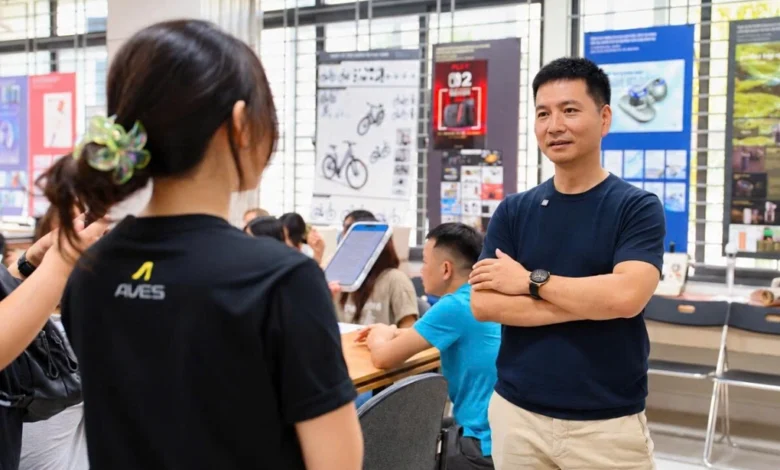
To gain deeper insights into the vision behind this initiative, we spoke with Nguyen Anh Tuan, Head of Industrial Design at the Hanoi University of Industrial Fine Arts and Chairman of the Board of Judges for the Aves Future Mobility Challenge 2026. In an exclusive interview, Mr. Tuan shares his expectations for the submitted entries, the delicate balance between creative freedom and real-world applicability, and the vital role that Vietnam’s younger generation plays in shaping the future of national transportation.
Unlocking Potential: What the Judges Look For in EV Submissions
The Aves Future Mobility Challenge 2026 was designed with an ambitious scope, welcoming entries across two distinct categories: Ideation Design and Applied Design. According to Mr. Tuan, the primary objective is to unearth designs that possess genuine commercial viability while maintaining a high degree of aesthetic and functional appeal.
"As the head of the jury, our goal is to find a seamless harmonization between Aves’ core vision of green mobility and the actual usage needs of Vietnamese consumers," Mr. Tuan explains. "In an era where electric vehicles are garnering unprecedented attention, these design submissions offer a fresh perspective on what modern consumers truly require from their daily transportation."

When evaluating a project, the judging panel looks past mere visual flair. While initial impressions driven by aesthetics and form factor are crucial, the judges subject every concept to rigorous scrutiny regarding its practical implementation. An ideal submission must successfully marry striking visual appeal with structural feasibility, ensuring that the transition from a digital rendering to a physical manufacturing line remains entirely plausible.
Balancing Creative Freedom with Real-World Constraints
Industrial design competitions often grapple with a fundamental tension: the desire to foster unbridled, futuristic creativity versus the manufacturing and regulatory limitations of the present day. However, Mr. Tuan firmly believes that true innovation thrives without rigid boundaries.
"These creative constraints do not exclusively appear in electric motorcycle design; they are present across virtually all fields of industrial design," Mr. Tuan notes. "During the conceptualization phase, we believe there are no limits. Creators should boldly explore fresh perspectives and articulate their visions for the vehicles of tomorrow."
Nevertheless, the competition guidelines emphasize certain pragmatic boundaries to protect participants and ensure the relevance of their work. Designers are strongly advised to take into account the unique characteristics of Vietnamese traffic conditions, urban infrastructure, and prevailing road safety regulations. Furthermore, participants must exercise caution regarding intellectual property rights to ensure their original works do not inadvertently infringe upon existing patents or designs.
Empowering Youth and Reflecting Local Commuting Habits
A standout feature of the Aves Future Mobility Challenge 2026 is its inclusive nature, extending a welcoming hand to young creators, students, and Gen Z designers who bring fresh perspectives to the drawing board.

"The younger generation represents a vital customer segment with remarkably diverse demands for electric mobility," Mr. Tuan observes. "Our competition targets products designed for a wide array of demographics, including individuals who rely on two-wheelers for commercial delivery and service industries."
By encouraging participation from younger designers alongside seasoned professionals, the competition injects vital energy into Vietnam’s growing industrial design and EV manufacturing sectors. Young minds are given a rare platform to translate their unique viewpoints into tangible solutions that directly address the pain points of local transit.
Furthermore, Mr. Tuan highlights that a deep understanding of Vietnamese commuting culture is indispensable for success. As Aves accelerates its strategic expansion within Vietnam while keeping an eye on regional and international markets, the company relies heavily on localized insights. Products must resonate with domestic buyers—who navigate dense urban traffic, narrow alleyways, and seasonal weather patterns—before they can successfully scale to global platforms.
A Comprehensive Timeline and Strategic Roadmap for the EV Sector
The Aves Future Mobility Challenge 2026 operates on a carefully structured timeline designed to maximize engagement and ensure thorough evaluation:
- October 27, 2026: Official deadline for receiving design submissions from participants nationwide.
- October 28 – November 4, 2026: Opening of the public voting portal, allowing communities and enthusiasts to engage with and support their favorite designs.
- December 5, 2026: Anticipated grand finale and award ceremony scheduled to take place in Hanoi.
Organized by Aves Green Technology and Energy Joint Stock Company—an enterprise strategically focused on smart electric vehicles, renewable energy systems, and IoT devices—the competition serves as a vital stepping stone for the company’s broader product roadmap. Aves is scheduled to officially launch its highly anticipated line of two-wheelers, three-wheelers, and electric quadricycles in early 2027.

The competition’s structure uniquely accommodates various levels of technical expertise. While applied design categories require detailed blueprints, structural breakdowns, and comprehensive technical specifications, ideation-focused tracks allow creators to leverage cutting-edge artificial intelligence (AI) tools to visualize and refine their futuristic concepts.
Words of Encouragement for Aspiring Designers
As the interview concludes, Mr. Tuan offers an inspiring message to all participants, especially those who may not ultimately take home a podium finish.
"My advice to every creator is to maintain your passion and your spirit of dedication," Mr. Tuan reflects. "Young designers enjoy the distinct advantage of effortless access to information and modern creative tools. Do not hold back, and do not let self-doubt overshadow your potential."
Every design competition serves as an invaluable proving ground for personal growth and professional maturation. Even for those who do not secure a top prize, the rigorous journey of conceptualizing, developing, and refining a complex mobility solution delivers unmatched educational and experiential value. Through initiatives like the Aves Future Mobility Challenge 2026, Vietnam’s design community is not only drafting the blueprint for tomorrow’s vehicles—it is actively steering the nation toward a cleaner, greener, and more sustainable automotive future.