Automotive Market Paradox: Vietnam Car Sales Drop Unexpectedly in October Despite Peak Shopping Season Approach


The Vietnamese automotive landscape experienced an unforeseen contraction in October, defying traditional seasonal expectations. According to the latest comprehensive sales reports released by the Vietnam Automobile Manufacturers Association (VAMA) alongside independent import data, total industry sales plummeted significantly as the market entered the final quarter of the year—a period traditionally characterized by surging consumer demand and peak purchasing activity.
This unexpected downturn has raised critical questions among industry analysts, economists, and automotive executives alike. Rather than showing the anticipated upward trajectory heading into the year-end shopping rush, vehicle deliveries across multiple segments contracted sharply, underscoring persistent consumer hesitation and underlying economic headwinds shaping Vietnam’s mobility sector.
Comprehensive Market Overview and October Sales Metrics
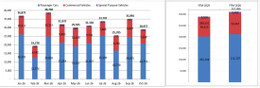
Total industry volume across VAMA members and non-VAMA official importers reached 28,957 vehicles in October. This aggregate figure encompassed 20,715 passenger cars, 9,698 commercial vehicles, and 544 specialized vehicles. When compared on a month-over-month basis against September statistics, every primary category registered notable declines: passenger cars dropped by 16%, commercial vehicles fell by 22%, and specialized vehicles decreased by 14%.
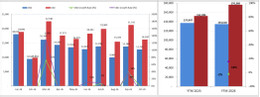
Focusing specifically on VAMA member enterprises, total sales volume for October stood at 22,806 units. This represented a 13% reduction compared to the previous month and a substantial 28% drop relative to the same period in 2025.

Analyzing the market by product origin reveals distinct shifts in consumer preference and supply chain dynamics during the month. Domestic assembly lines produced 12,753 units sold in October, marking a modest 7% decrease from September. Conversely, completely built-up (CBU) imported vehicles suffered a much steeper decline, dropping 24% month-over-month to reach 16,204 units. This dramatic reduction in imports heavily influenced the overall contraction of the broader automotive market.
Ten-Month Cumulative Performance: Resilience Amid Volatility
Despite the stark monthly contraction observed in October, the broader trajectory of Vietnam’s automotive market over the first ten months of the year demonstrates underlying resilience. Cumulative total sales for the entire market reached 310,986 units from January through October, representing a 7% growth rate compared to the corresponding period in 2025.
A granular breakdown of this ten-month performance highlights varying dynamics across vehicle categories:
- Passenger Cars: Maintained steady demand with moderate year-to-date growth.
- Commercial Vehicles: Recorded a robust 12% increase, reflecting ongoing commercial and logistics investments.
- Specialized Vehicles: Surged significantly by 55%, driven by specialized infrastructure and industrial demand.
However, a closer examination of sourcing reveals a diverging trend between locally assembled vehicles and imports. Over the ten-month span, cumulative sales of locally assembled vehicles declined by 2% compared to the same timeframe last year. In stark contrast, imported completely built-up vehicles grew by 16%, capturing a larger share of consumer interest and indicating a strong preference for specific foreign-sourced nameplates and models.
For VAMA members specifically, cumulative sales over the ten-month period totaled 242,913 units, representing a 3% increase over the first ten months of 2025. Passenger car sales among VAMA members remained virtually flat at 162,547 units, while commercial vehicle sales dipped 1% to 62,314 units. Notably, the hybrid vehicle segment emerged as a bright spot within VAMA’s portfolio, recording 17,948 units sold—a remarkable 61% surge compared to the same period in the previous year, signaling a gradual shift toward eco-friendly powertrains among Vietnamese buyers.
The October Paradox: Defying Seasonal Expectations
The sharp contraction in October sales runs counter to historical trends within the Vietnamese automotive market. Conventionally, the fourth quarter serves as the primary growth engine for car dealerships and manufacturers. As the year draws to a close, consumer sentiment traditionally strengthens, bolstered by year-end bonuses, cultural preparations for the upcoming Lunar New Year, and the psychological milestone of acquiring a new vehicle.
Capitalizing on these seasonal patterns, local distributors and authorized dealerships typically roll out aggressive promotional campaigns well ahead of December. Throughout October, showrooms nationwide flooded the market with substantial price reductions, financial incentives, low-interest loan packages, and direct support for registration fees—frequently covering 50% to 100% of the mandatory state registration costs.
Despite these intensive stimulus measures, October sales figures indicate that consumer purchasing power remains fragile and selective. Market observers note that while foot traffic at showrooms has remained relatively stable, conversion rates into finalized purchase contracts have slowed. Buyers are exercising heightened financial caution, carefully evaluating macroeconomic uncertainties, household budgets, and credit availability before committing to major capital expenditures like automobile purchases.
Scope and Limitations of Industry Data
It is essential to note that VAMA reports do not capture the entire landscape of the Vietnamese automotive market. Notably, prominent domestic manufacturer VinFast, alongside Hyundai Thanh Cong, report their sales figures independently. Consequently, aggregate figures from VAMA and associated importers provide a representative macro-level indicator of the industry’s health, but they do not account for the total volume of vehicles delivered nationwide. The inclusion of independent domestic and imported brands often adds further nuance to overall market penetration, particularly regarding the rapid expansion of electric vehicle adoption spearheaded by domestic manufacturers.
Industry Implications and Outlook for the Year-End Phase
The unexpected dip in October underscores a shifting dynamic between automotive supply and consumer demand. With manufacturing output and import channels operating at healthy capacities, vehicle availability across segments remains diverse and abundant. However, the persistence of strong downward pressure on sales despite aggressive discounting suggests that price reductions alone may no longer serve as an immediate catalyst for volume growth.
Looking ahead toward the final two months of the year, automotive brands and dealership networks will likely need to sustain or even deepen their promotional strategies. Rather than relying passively on seasonal momentum, dealerships face mounting pressure to clear inventory and optimize cash flow before the transition into the new year.
Industry experts anticipate that competition will intensify across high-volume segments—particularly the fiercely contested B-SUV and compact sedan classes, where price points have been aggressively compressed through factory rebates and dealer incentives. Whether these sustained discounting efforts can successfully unlock pent-up consumer demand and reverse the October slump will depend heavily on broader macroeconomic indicators, credit conditions, and consumer confidence levels as Vietnam concludes the business year.
Related posts: