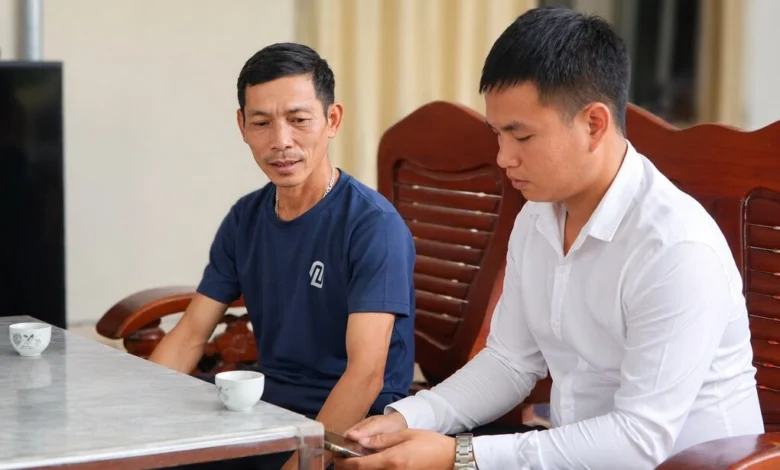
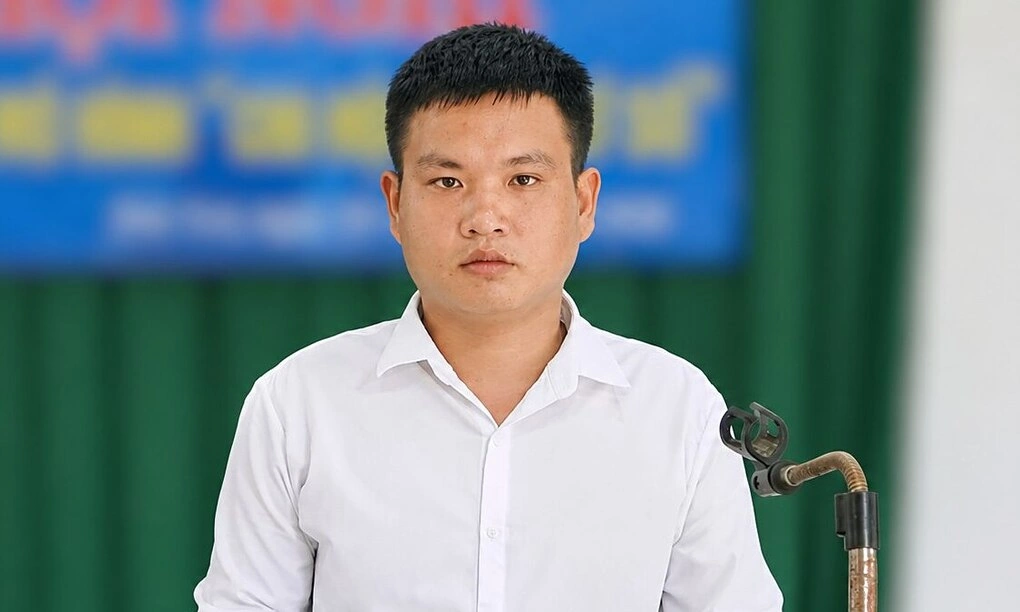
In a remarkable shift in local governance, 23-year-old Pham Quang Huy has assumed the role of village head in Doc Son, Nga Son commune, Thanh Hoa province, overseeing a community of over 1,800 residents. This appointment marks a significant generational transition, highlighting a growing trend of younger, tech-savvy individuals stepping into grassroots leadership positions traditionally held by older, retired members of the community.
A Rapid Ascent to Leadership
Pham Quang Huy’s journey to becoming the youngest village head among the 21 villages in Nga Son commune was unconventional. Born into a farming family, Huy spent his early years deeply rooted in agricultural life before choosing a path of service. He enlisted in the military, a period he credits with instilling the discipline, organizational skills, and sense of duty that now underpin his approach to civil administration.
Upon completing his military service in 2024, Huy returned to his home province, enrolling in a vocational program for refrigeration engineering at the No. 4 Vocational College, under the Ministry of National Defense, Thanh Hoa branch. His transition from a student and veteran to a community leader was swift. Local party officials, noting his potential, diligence, and strong standing within the community, recommended him for the position of village head. Following a period of consultation with residents, he assumed his duties on July 1, 2026, with an official appointment date of October 11, 2026.
The Challenges of Grassroots Administration
Managing a village of 1,800 people is a complex undertaking that requires balancing administrative mandates with the nuanced social dynamics of a tight-knit rural community. For a 23-year-old, the primary challenge lies in bridging the age gap. Many of his constituents are individuals of his father’s or grandfather’s generation, people who have known him since childhood.
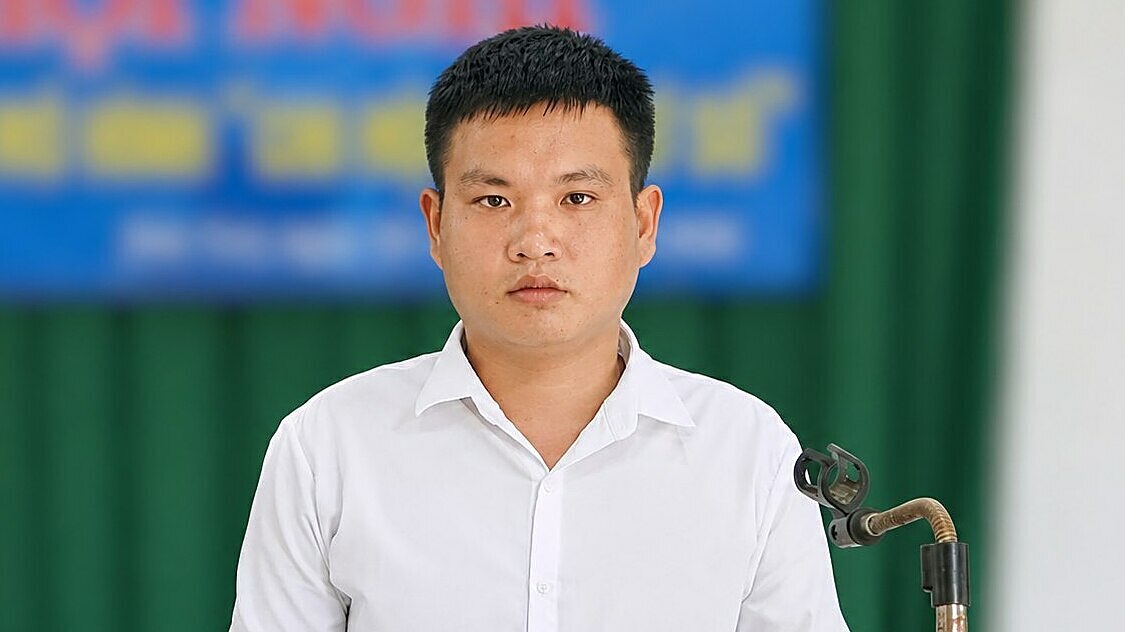
Huy admits that the pressure of this responsibility was initially daunting. "There were days when my work lasted from morning until late at night," he reflects. "Sometimes, even at midnight, people would call to resolve conflicts within the village."
The scope of his duties is broad, encompassing:
- Administrative Coordination: Managing village meetings, official documentation, and community reporting.
- Conflict Resolution: Acting as a mediator for family disputes and neighborhood disagreements, a role that requires high emotional intelligence and impartiality.
- Security and Order: Addressing grievances, monitoring local security, and acting as the first point of contact for municipal authorities.
- Public Advocacy: Translating government policies into actionable local initiatives that the residents can understand and support.
Leveraging Technology for Efficiency
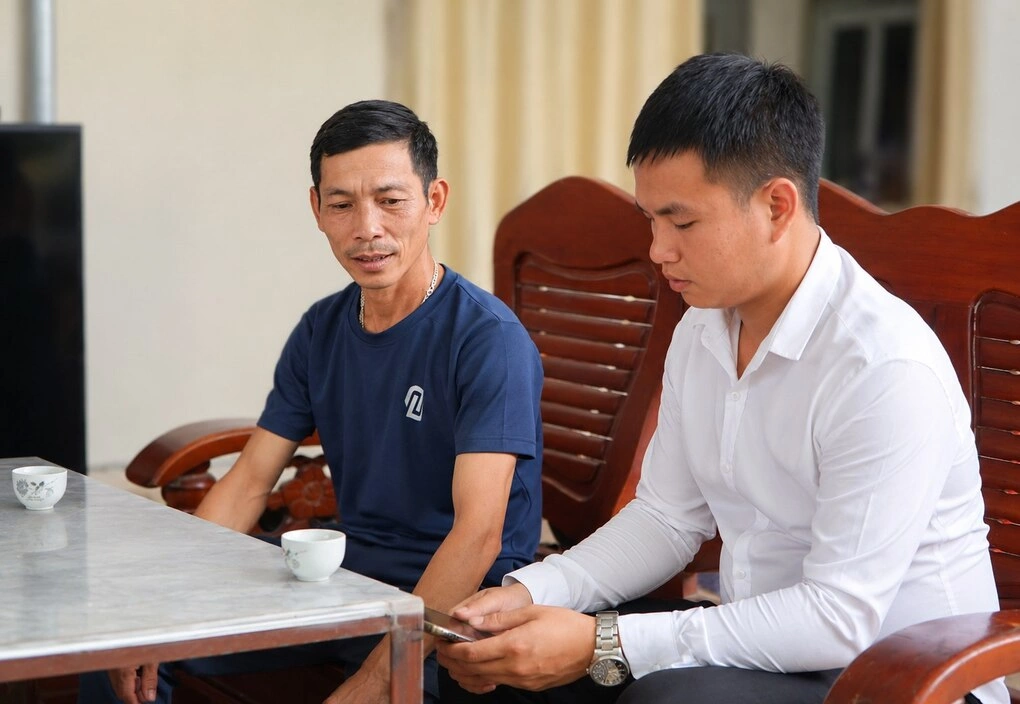
One of the most noticeable impacts of Huy’s leadership is his integration of digital tools into village operations. While traditional methods like the public broadcast system remain, Huy has introduced Zalo and Facebook groups to facilitate faster communication.
"These tools allow us to share meeting schedules, government announcements, and critical updates instantly," Huy explains. "It reduces the time spent on manual coordination and ensures that information reaches all households simultaneously."
However, he remains cognizant of the limits of technology. He acknowledges that digital platforms are excellent for information dissemination, but they cannot replace the human element required for mediation. Sensitive issues, such as land disputes or inter-family conflicts, require in-person meetings and the wisdom of established community elders. By combining modern communication methods with the traditional, respected wisdom of the village’s older leaders, Huy has managed to maintain a balance that satisfies both the younger and older generations.
Chronology of a Young Leader
The trajectory of Huy’s career serves as a case study in modern rural development:
- Early Life: Grew up in a farming household in Thanh Hoa.
- 2024: Concluded military service and returned to civilian life; began vocational training in refrigeration.
- Mid-2026: Nominated by the local party committee for the role of village head.
- July 1, 2026: Commenced informal duties as village head, beginning a transition and learning phase.
- October 11, 2026: Formally appointed as the head of Doc Son village.
- November 2026: Recognized as the youngest serving village head in the commune, having successfully navigated his first four months in office.
Perspectives from Local Governance and Residents
The reception of a 23-year-old leader has been largely positive, rooted in the residents’ observation of his work ethic. Mr. Tran Van An, a long-time resident of Doc Son, noted, "Huy is energetic, enthusiastic, and knows how to apply technology to his work. The time he spent in the military, combined with the support of our experienced elders, has helped him adapt to his duties remarkably well."
This sentiment is echoed by local officials. Mai Van Sam, Vice Chairman of the Nga Son Commune People’s Committee, emphasized that while Huy may lack decades of experience, his strength lies in his adaptability. "He has an advantage in accessing information, drafting documents, and communicating with the government—skills that are essential for the evolving requirements of rural administration."
Future Implications and Economic Sustainability
Huy’s role as village head is a part-time position with a monthly stipend of approximately 5.9 million VND (before deductions). This modest income highlights the reality that such leadership roles are often a labor of love rather than a primary source of livelihood.
Despite the demanding nature of his role, Huy remains committed to his professional development. He continues his studies in refrigeration engineering, viewing it as a foundation for his long-term financial stability. He is also mindful of his personal life, noting that marriage is not currently in his immediate plans as he focuses on his service to the community.
Conclusion
The appointment of Pham Quang Huy reflects a broader, necessary evolution in local governance in Vietnam. As rural communities face increasing pressures from urbanization, digital transformation, and shifting demographics, the need for leaders who can straddle the divide between tradition and innovation becomes paramount.
Huy’s success will ultimately be measured not by his age, but by his ability to sustain the trust of his constituents. His philosophy is simple: "The residents have trusted me, so whatever I do, it must be directed toward their benefit. If the people are in agreement, any task can be accomplished."
As he continues to navigate the complexities of village life, Huy represents a new generation of leaders who are proving that youth, when tempered by service and supported by the wisdom of the community, can be a potent force for positive local development. Whether he continues in public service or eventually transitions into the private sector, his tenure as the young leader of Doc Son serves as a compelling example of the potential inherent in the next generation of civil servants.
Related posts: