Sleeping with the TV on: How it harms your health and undermines cardiovascular recovery

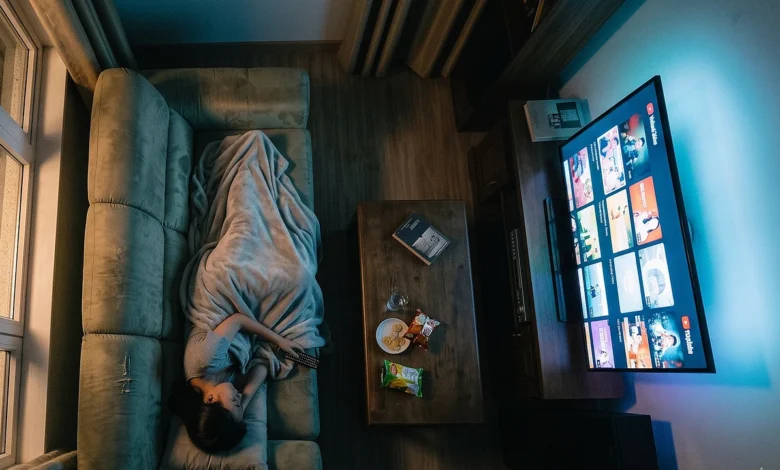
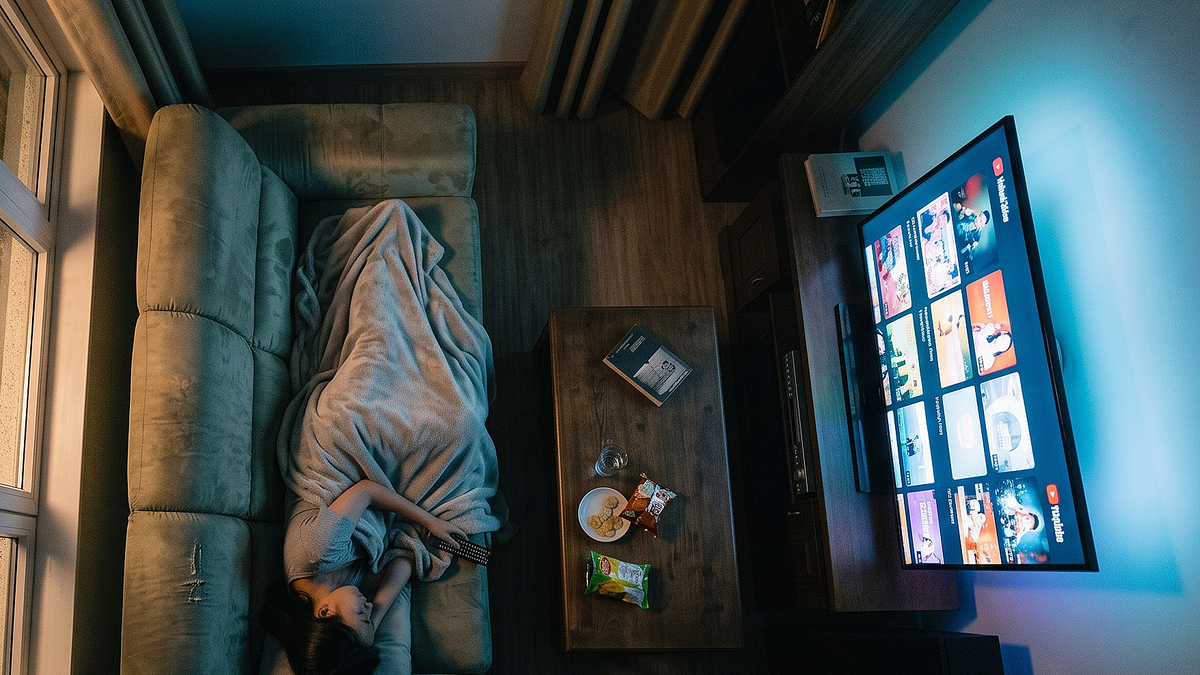
Cardiologists and sleep specialists are increasingly raising the alarm regarding a common nocturnal habit shared by millions: falling asleep with the television on. While many individuals claim that the ambient noise helps them drift off, medical experts warn that this practice significantly degrades the quality of rest and, over time, imposes a substantial burden on the cardiovascular system. According to a comprehensive report from Parade, which synthesized findings from various cardiovascular health experts, sleep is not merely a passive state of rest but a critical physiological window required for the body to repair the heart, regulate blood pressure, and balance stress hormones. When this window is disrupted by the artificial light and erratic sounds of a television, the long-term consequences can manifest as chronic illnesses, including hypertension, obesity, and type 2 diabetes.
The physiological necessity of sleep for heart health cannot be overstated. During a normal, healthy sleep cycle, the body undergoes a process known as "nocturnal dipping," where blood pressure naturally drops by about 10% to 20%. This dip allows the heart and blood vessels to rest and recover from the demands of the day. Furthermore, the endocrine system works to reduce levels of cortisol—the body’s primary stress hormone—while repairing damaged vascular tissues. However, when a television remains active in the bedroom, the brain is prevented from entering the deeper, most restorative stages of sleep, such as Slow-Wave Sleep (SWS) and Rapid Eye Movement (REM) sleep. This interference prevents the cardiovascular system from completing its essential maintenance, leaving the individual at a higher risk for structural heart damage over time.
The Biological Impact of Blue Light and Melatonin Suppression
One of the primary mechanisms through which a television disrupts sleep is the emission of blue light. While much public discourse has focused on the dangers of smartphones and tablets, experts emphasize that modern LED and LCD televisions are equally potent sources of short-wavelength blue light. The human eye contains specialized photoreceptor cells in the retina that are highly sensitive to this specific spectrum. These cells communicate directly with the suprachiasmatic nucleus (SCN) in the brain—the "master clock" that regulates the circadian rhythm.
Under natural conditions, the onset of darkness signals the pineal gland to begin secreting melatonin, the hormone responsible for inducing sleepiness and maintaining the sleep-wake cycle. Blue light from a television screen effectively "tricks" the brain into believing it is still daylight. This suppresses melatonin production, making it significantly harder for the individual to fall asleep and, more importantly, stay asleep. Even if a person manages to lose consciousness while the TV is on, the brain continues to perceive the light through the eyelids, keeping the body in a state of "light sleep" and preventing the transition into the deep stages required for cellular repair.
Psychological Stimulation and the Adrenaline Response
Beyond the physical properties of light, the content of television programming plays a detrimental role in sleep hygiene. Many viewers fall asleep to news broadcasts, high-octane action films, or suspenseful dramas. These types of content are designed to engage the viewer and can trigger the release of adrenaline and norepinephrine—hormones associated with the "fight or flight" response.
If a viewer watches a stimulating or distressing program immediately before or during the onset of sleep, their heart rate and blood pressure remain elevated. This state of hyper-arousal is the antithesis of the relaxation required for healthy rest. Even passive listening can be problematic; the brain’s auditory cortex remains active during sleep, monitoring the environment for potential threats. The unpredictable nature of television audio—sudden changes in volume, high-pitched sound effects, or the jarring transitions to loud commercials—causes "micro-arousals." These are brief moments where the brain wakes up for a few seconds, often without the person’s knowledge. These interruptions fragment the sleep architecture, leading to a phenomenon known as sleep fragmentation, which leaves the individual feeling exhausted and cognitively impaired the following day.
Chronic Health Implications and Supporting Data
The link between artificial light at night (ALAN) and metabolic health has been documented in several high-profile studies. A landmark study published in JAMA Internal Medicine involving nearly 44,000 women found that those who slept with a television or a light on in the room were 17% more likely to gain 11 pounds or more over a five-year period. The researchers concluded that the disruption of the circadian rhythm by artificial light alters metabolic processes, leading to weight gain and an increased risk of obesity.
Furthermore, the American Heart Association (AHA) has officially added "sleep duration" to its "Life’s Essential 8" checklist, a set of key measures for improving and maintaining cardiovascular health. The AHA notes that people who do not get enough high-quality sleep are at a higher risk for:
- Hypertension: Without the "nocturnal dip" in blood pressure, the arteries are subjected to constant high pressure, increasing the risk of stroke and heart attack.
- Type 2 Diabetes: Sleep deprivation affects how the body processes insulin, the hormone that regulates blood sugar.
- Systemic Inflammation: Poor sleep is linked to higher levels of C-reactive protein (CRP), a marker of inflammation that is a precursor to atherosclerosis (hardening of the arteries).
The Chronology of Sleep Science and Modern Challenges
The understanding of sleep as a vital pillar of health has evolved significantly over the last century. In the early 20th century, sleep was largely viewed as a passive state of "nothingness." It wasn’t until the 1950s, with the discovery of REM sleep, that scientists realized the brain is incredibly active during rest. By the 1990s, the emergence of the 24-hour news cycle and the proliferation of televisions in every bedroom began to alter the human relationship with darkness.
In the current digital age, the "always-on" culture has created a global epidemic of sleep deprivation. Medical historians point out that before the widespread use of electricity and screen-based entertainment, humans generally slept in alignment with the solar cycle. The introduction of the television into the sanctum of the bedroom represents a significant shift in human behavior that our biological systems have not yet adapted to. Today, sleep specialists view the bedroom TV as one of the primary "environmental toxins" affecting public health.
Addressing the Alcohol Myth
In addition to the habit of keeping the TV on, many people combine screen time with a "nightcap" of alcohol, believing it will help them fall asleep faster. Cardiologists are quick to debunk this myth. While alcohol is a sedative that may induce a faster onset of sleep, it is a potent disruptor of sleep quality. Alcohol consumption leads to increased heart rate during the night and prevents the brain from entering REM sleep. When the effects of the alcohol wear off in the middle of the night, it often leads to a "rebound effect," causing the individual to wake up frequently. The combination of alcohol and the stimulation from a television creates a "double hit" to the cardiovascular system, ensuring that the heart never reaches a true state of recovery.
Expert Recommendations for "Sleep Hygiene"
To combat the negative effects of television on health, medical professionals recommend a strict adherence to "sleep hygiene" protocols. These are evidence-based practices designed to optimize the sleep environment and internal biological cues.
- The One-Hour Rule: Experts suggest turning off all screens, including televisions and smartphones, at least 60 minutes before bedtime. This allows melatonin levels to rise naturally.
- Environmental Optimization: The bedroom should be a "sanctuary for sleep." This means keeping the room as dark, cool, and quiet as possible. If ambient noise is necessary, doctors recommend a white noise machine or a fan, which provides a consistent, non-stimulating sound frequency unlike the erratic audio of a TV.
- Alternative Relaxation: Instead of watching television, individuals are encouraged to engage in low-stimulation activities such as reading a physical book, practicing meditation, or taking a warm bath.
- Gradual Transition: For those who are "addicted" to falling asleep with the TV, experts suggest using a sleep timer that automatically turns the set off after 15 to 30 minutes, or gradually reducing the volume and brightness over several nights until the habit can be broken entirely.
Conclusion and Broader Implications
The habit of sleeping with the television on is far more than a simple quirk of personal preference; it is a significant public health issue with measurable physiological costs. As the medical community continues to uncover the deep links between sleep quality and life expectancy, the importance of a dark, screen-free bedroom becomes clear. By prioritizing the body’s need for uninterrupted, high-quality rest, individuals can significantly reduce their risk of chronic cardiovascular disease and improve their overall quality of life. The message from the scientific community is unequivocal: for the sake of your heart and your future health, it is time to turn off the screen and embrace the dark.