Mid-Year 2026 Vietnam C-SUV Market Report: Mazda CX-5 Maintains Lead as VinFast VF 7 Challenges ICE Dominance

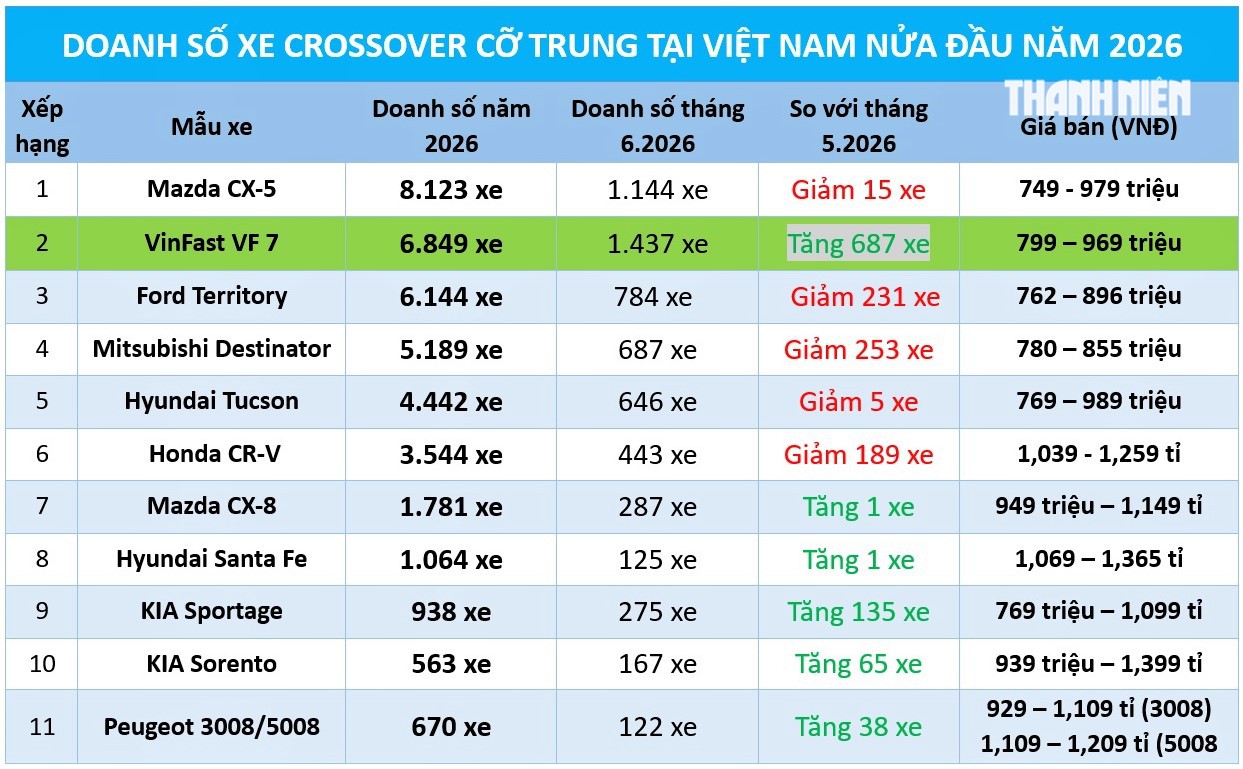
The landscape of the mid-sized SUV and crossover (C-SUV) segment in Vietnam has undergone a profound transformation during the first six months of 2026, characterized by a fierce struggle between traditional internal combustion engine (ICE) vehicles and the rapid ascent of electric mobility. According to the latest comprehensive sales data compiled from the Vietnam Automobile Manufacturers’ Association (VAMA), Hyundai Thanh Cong Vietnam (HTV), and VinFast, the total volume for the C-SUV segment reached 39,317 units in the first half of the year. This figure is particularly significant as it represents approximately 66% of the total sales recorded for the entire year of 2025, signaling a robust expansion of the segment and confirming that high-clearance vehicles remain the primary preference for Vietnamese consumers.
While the Mazda CX-5 has successfully defended its position at the pinnacle of the sales charts, the narrative of the market is no longer one of unilateral dominance. The emergence of the VinFast VF 7 as a formidable runner-up, combined with the successful market entry of the Mitsubishi Destinator, has created a high-pressure environment for established players. The narrowing gap between the top three contenders suggests that the second half of 2026 will be a pivotal period for brand loyalty and market share redistribution.
A Statistical Overview of the H1 2026 Performance
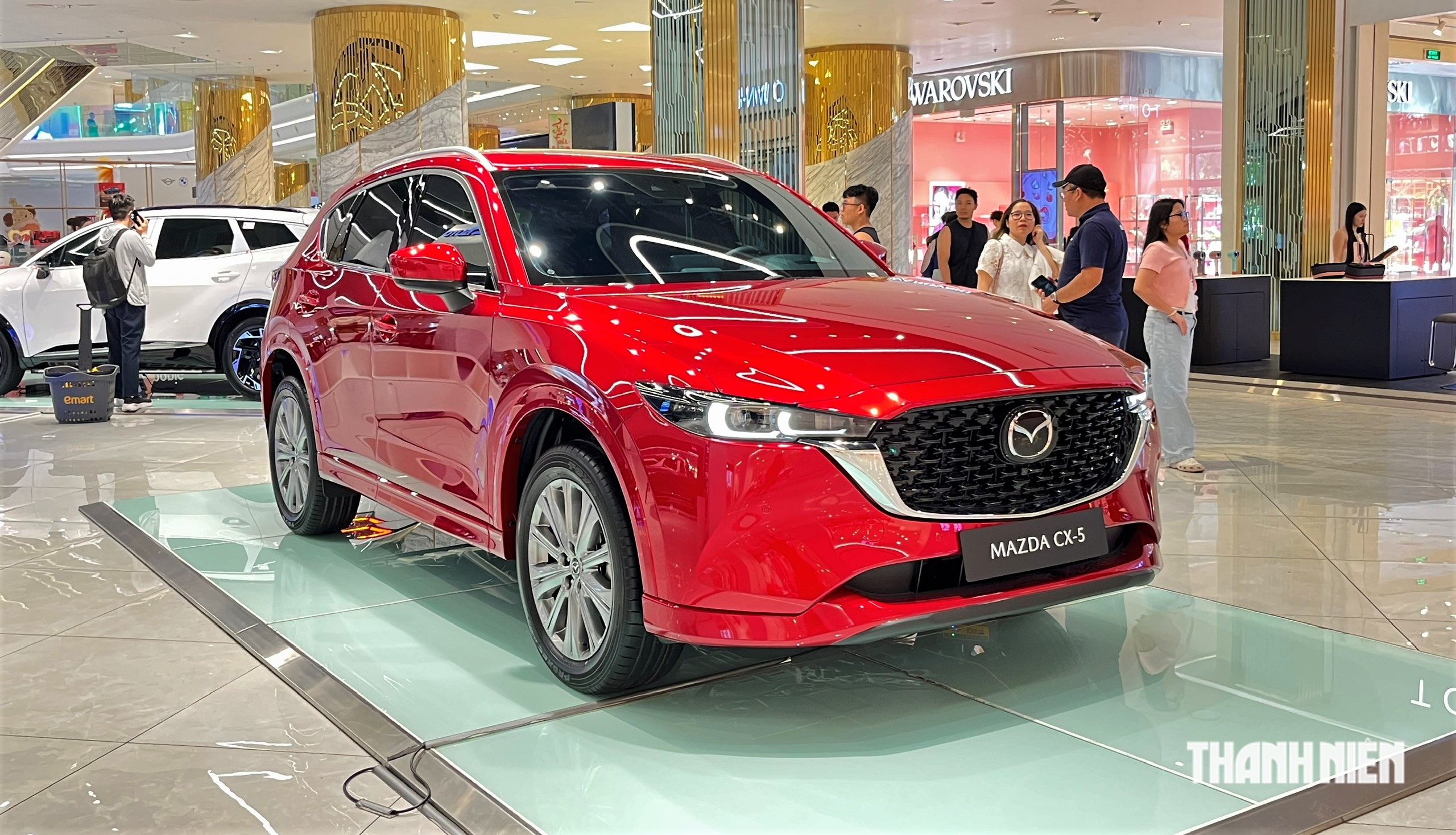
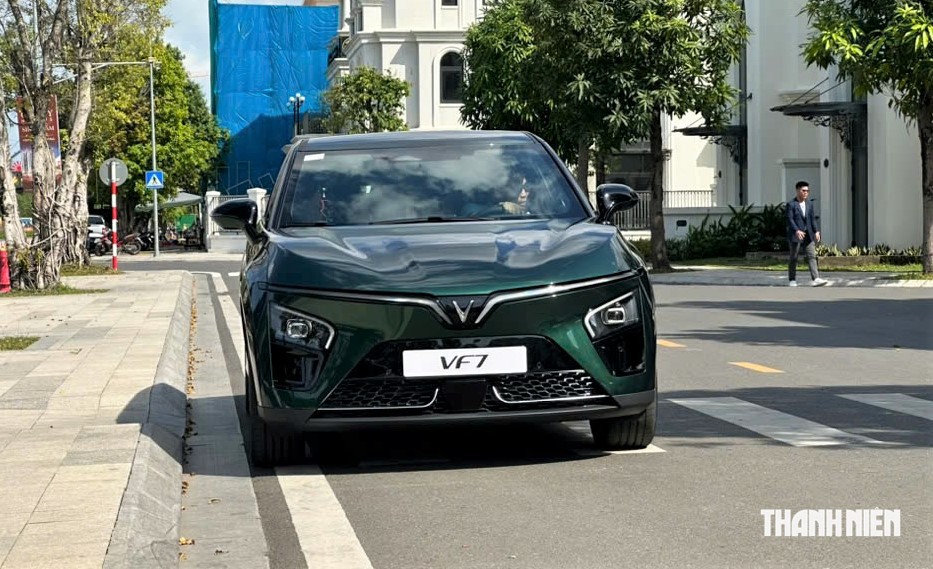
The data for the first half of 2026 reveals a clear hierarchy, yet one that is more compressed than in previous years. The Mazda CX-5 remains the segment leader with 8,123 units delivered to customers. Despite maintaining its "king" status, the Japanese crossover is feeling the heat from the VinFast VF 7, which secured the second spot with 6,849 units. The gap between first and second place has shrunk to just 1,274 vehicles—a distance that could easily be bridged in a single strong sales month.
In third place, the Ford Territory continues to perform strongly with 6,144 units sold, trailing the VF 7 by only 705 units. The Mitsubishi Destinator, a relatively new entrant to the segment, has made a significant impact by capturing the fourth position with 5,189 units. Rounding out the top five is the Hyundai Tucson with 4,442 units. Further down the list, the Honda CR-V recorded 3,554 deliveries, while other models such as the Mazda CX-8, Hyundai Santa Fe, KIA Sportage, and the Peugeot 3008/5008 duo all struggled to break the 1,800-unit threshold individually.
This distribution indicates a market where consumer interest is heavily concentrated on the top four models, which collectively account for more than 65% of the total segment volume. The remaining models are increasingly being pushed into niche roles or are facing significant headwinds due to pricing strategies and aging product cycles.
Mazda CX-5: The Resilience of a Value Leader
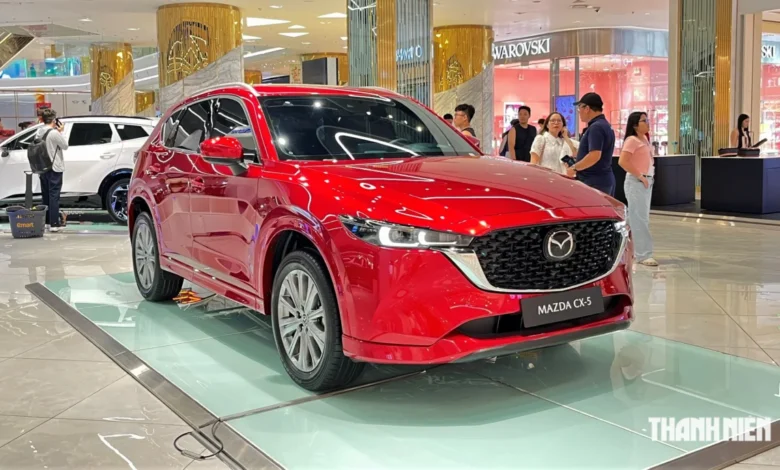
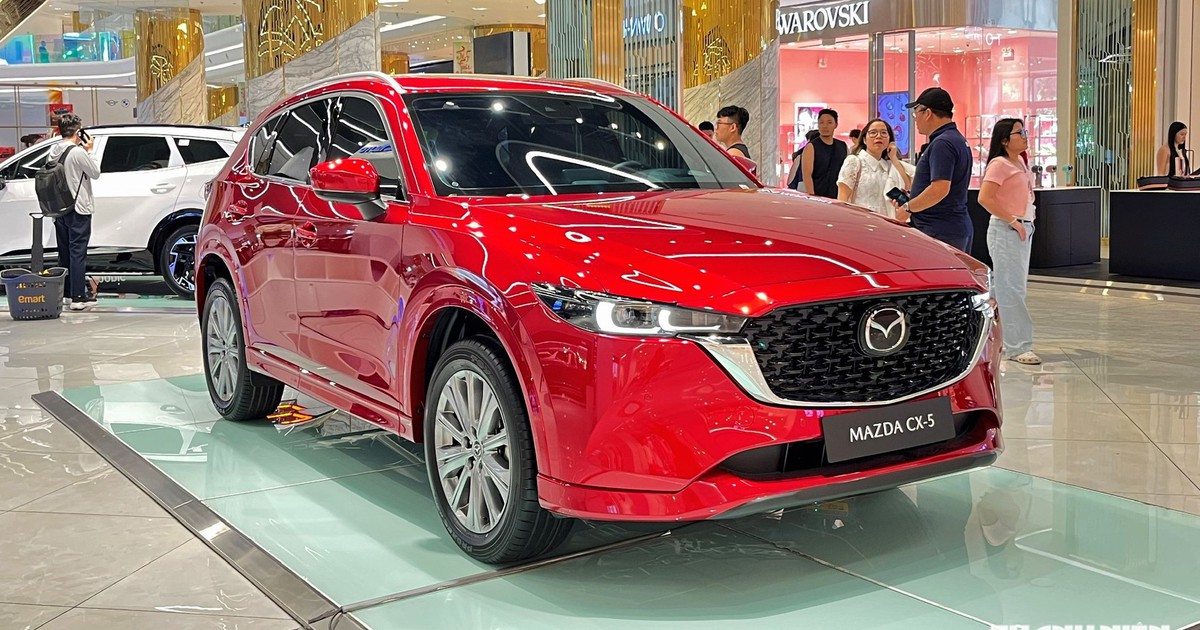
The Mazda CX-5’s continued success in 2026 is a testament to the brand’s "value-for-money" philosophy. With a starting price of 699 million VND, the CX-5 remains one of the most accessible options in the C-SUV category. Its longevity in the market has created a high level of brand recognition and a vast service network, which provides a sense of security for conservative buyers.
However, industry analysts note that the CX-5’s dominance is being tested. In previous years, the CX-5 often outsold its nearest competitor by a factor of two to one. In 2026, that "buffer zone" has evaporated. To maintain its lead, Thaco (the assembler and distributor of Mazda in Vietnam) has had to rely on a diverse range of versions and consistent promotional campaigns. The challenge for Mazda in the coming months will be to refresh the product’s appeal against newer, more technologically advanced rivals that offer superior performance metrics.
The VinFast VF 7 and the Electric Pivot
The most striking development of 2026 is the performance of the VinFast VF 7. Moving from a niche electric alternative to the second best-selling model in the entire segment marks a turning point for the Vietnamese auto industry. The VF 7’s success is attributed to several factors: a bold, futuristic design, high-performance specifications that often exceed those of ICE rivals, and the increasing maturity of Vietnam’s charging infrastructure.
Government incentives, including registration tax exemptions for electric vehicles, have also played a crucial role in making the VF 7 price-competitive. Furthermore, VinFast’s aggressive battery rental policies have lowered the initial barrier to entry, allowing consumers to access a premium electric driving experience at a cost comparable to a mid-range gasoline SUV. The VF 7’s rise proves that Vietnamese consumers are no longer hesitant about electric technology, provided the product offers a compelling mix of style and utility.
New Entrants and the Seven-Seat Advantage
The Mitsubishi Destinator has emerged as the "dark horse" of 2026. By offering a 5+2 seating configuration at a price point ranging from 780 to 855 million VND, Mitsubishi has successfully targeted a specific demographic: young families who require occasional extra seating but do not want the bulk or the higher price tag of a full-sized D-SUV.
The Destinator’s performance has disrupted the traditional 5-seater crossover market. It has forced competitors like the Hyundai Tucson and KIA Sportage to reconsider their value propositions. The ability of the Destinator to climb to fourth place in such a short time suggests that versatility is becoming a primary driver for purchase decisions in the sub-1 billion VND price bracket.
The Struggles of the Premium ICE Tier
While the sub-900 million VND segment is thriving, models positioned above the 1 billion VND mark are facing a challenging environment. The Honda CR-V is a prime example. Despite its reputation for reliability and the introduction of hybrid powertrains, its entry price exceeding 1 billion VND has limited its reach. In a market where the top four sellers are all priced significantly lower, the CR-V has found it difficult to justify its premium to the mass market.
Similarly, the Hyundai Tucson and KIA Sportage, which were once segment leaders, have seen their momentum stall. These models find themselves in a "squeezed" position—facing pressure from the affordable Mazda CX-5 from below and the technologically superior VinFast VF 7 from the side. The lack of significant updates in early 2026 has left these Korean models vulnerable to the aggressive tactics of their rivals.
Chronology of Market Evolution (2025 – mid-2026)
To understand the current state of the market, one must look at the timeline of events that shaped H1 2026:
- Late 2025: The C-SUV segment ended the year with a total of approximately 60,000 units sold. Mazda CX-5 held a commanding 30% market share.
- January 2026: VinFast ramped up production of the VF 7, focusing on clearing backorders and expanding its "V-GREEN" charging network across major highways.
- March 2026: Mitsubishi officially launched the Destinator. The model’s competitive pricing immediately drew traffic away from traditional 5-seater crossovers.
- April 2026: First-quarter data revealed that for the first time, an electric SUV (VF 7) had surpassed the Ford Territory to take the number two spot.
- June 2026: Mid-year sales figures confirmed the trend of "segment redefinition," where the lines between 5-seater and 7-seater, and ICE and EV, have become blurred.
Broader Impact and Market Implications
The data from the first half of 2026 suggests that the Vietnamese auto market is entering a phase of "re-identification." The traditional criteria for choosing a car—brand origin and resale value—are being supplemented by new priorities such as operating costs, technology suites, and environmental impact.
1. The End of ICE Monopoly: The fact that an EV is now breathing down the neck of the segment’s long-time ICE leader is a watershed moment. It suggests that the transition to green energy in Vietnam is accelerating faster than many industry analysts predicted.
2. Pricing Sensitivity: The success of models like the CX-5 and Destinator highlights that the "sweet spot" for the Vietnamese C-SUV market remains between 700 and 850 million VND. Models that stray too far above the 1 billion VND mark without a revolutionary feature set are seeing diminishing returns.
3. Supply Chain Stability: The ranking also reflects the stability of supply chains. Thaco (Mazda), VinFast, and Ford have all maintained steady production levels, whereas brands relying more heavily on imported (CBU) units have faced occasional inventory fluctuations, impacting their monthly sales consistency.
Outlook for the Second Half of 2026
As the market moves into the second half of 2026, several variables will determine the final year-end rankings. The potential for a new round of government incentives for locally assembled vehicles (CKD) could provide a boost to the CX-5, Territory, and Tucson. Conversely, any further expansion of VinFast’s charging infrastructure or the introduction of new battery technologies could solidify the VF 7’s position.
Furthermore, the "invisible" segment of the market—comprising brands that do not publicly disclose detailed sales figures—cannot be ignored. Brands like Subaru (Forester), Volkswagen (Tiguan), and an influx of Chinese manufacturers such as Haval, MG, Lynk & Co, and Geely are adding layers of complexity to the competition. While their individual volumes might be lower, their collective presence siphons off thousands of potential customers from the mainstream leaders.
In conclusion, the C-SUV segment in Vietnam is no longer a predictable race. The first half of 2026 has set the stage for a dramatic conclusion to the year. Whether the Mazda CX-5 can leverage its legacy to stay ahead, or if the VinFast VF 7 will become the first electric vehicle to lead a major segment in Vietnam, remains the most anticipated story in the nation’s automotive industry. One thing is certain: the consumer is the ultimate winner, benefiting from a market that is more competitive, diverse, and technologically advanced than ever before.