Tourist Narrowly Escapes Death After Plunging Into Deep Ravine at Lung Cu Flag Point in Tuyen Quang Province

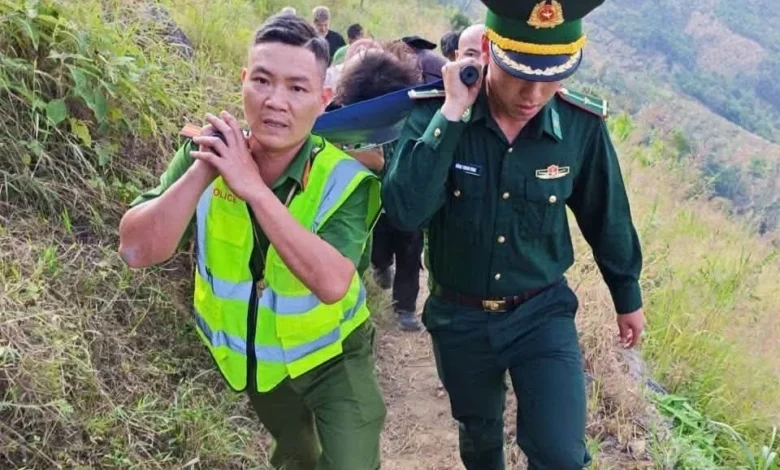
The rugged and awe-inspiring landscapes of Vietnam’s northern border regions have long captivated adventurous travelers seeking to conquer majestic mountain passes and remote highlands. However, the inherent perils of navigating steep topography and untamed terrain were starkly underscored on October 24, when a 23-year-old tourist suffered a harrowing fall into a deep ravine while exploring the iconic Lung Cu Flag Point area, located within Tuyen Quang Province. Thanks to the swift, coordinated response of local law enforcement, border guards, and community members, the victim was successfully rescued from a potentially fatal situation, sustaining only minor injuries.
Chronology of the Incident
According to initial reports released by the Lung Cu Commune Police, the incident unfolded during the mid-afternoon of October 24. At approximately 3:30 PM, a young male visitor identified as Thao Mi S., aged 23 and a resident of the neighboring Yen Minh area, was touring the sprawling sightseeing grounds surrounding the Lung Cu Flag Point.
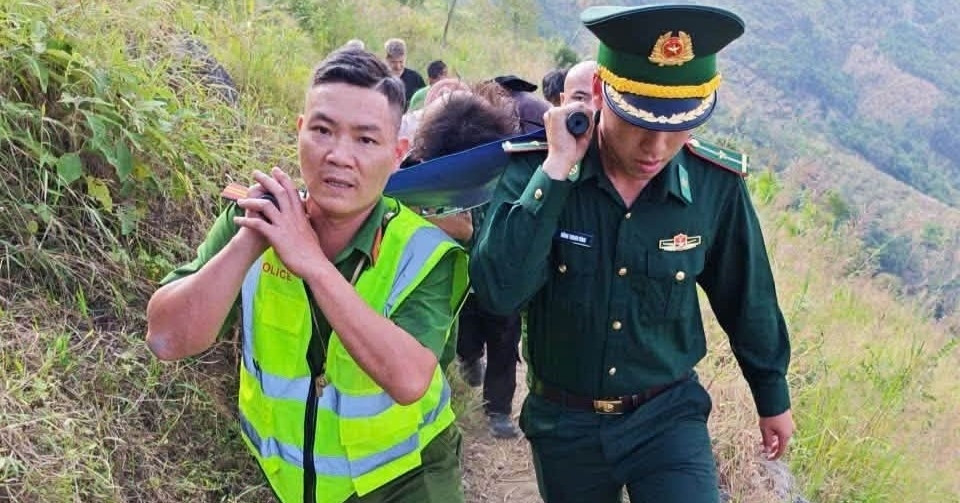
While navigating the rocky pathways and taking in the panoramic vistas of the rugged karst plateau, S. lost his footing on a treacherous section of the trail. The sudden slip caused him to tumble over the edge of a steep embankment, plunging directly into a deep, precipitous ravine below.
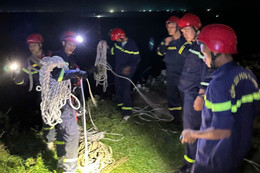
The remote nature of the terrain and the sheer drop presented immediate hazards. However, witnesses and companions quickly raised the alarm. The Lung Cu Commune Police department received the emergency notification almost instantaneously and activated an emergency response protocol. Recognizing the urgency of the situation, local officers coordinated a multi-agency rescue operation, mobilizing personnel from the local border guard station, the commune healthcare center, and civilian volunteers familiar with the challenging local geography.
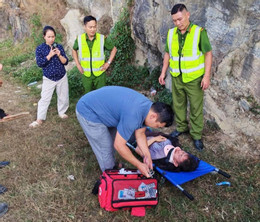
Rescuers deployed specialized gear and navigated down the hazardous slope to reach the victim. By late afternoon, the combined team successfully reached S., hoisted him out of the ravine, and transported him to a secure location. Medical personnel immediately administered on-site first aid. Miraculously, medical evaluations confirmed that S. had suffered only minor injuries and contusions, completely avoiding any life-threatening trauma.
Geographical Context and the Allure of the Karst Plateau
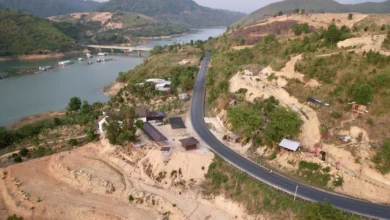
The Lung Cu Flag Point stands as a monumental landmark and a premier tourist attraction within the Dong Van Karst Plateau Geopark region. Renowned for its breathtaking geological formations, the area features towering stone mountains, jagged vertical cliffs, and sweeping valleys that showcase the raw, unspoiled beauty of Vietnam’s northern frontier.
The geography that makes Lung Cu a magnet for domestic and international travelers is precisely what renders it hazardous. The plateau is characterized by towering limestone karsts, steep talus slopes, and narrow, winding pathways that leave little room for error. Weather conditions in the mountains can also change rapidly, with morning mists, damp rock surfaces, and strong gusts adding to the physical challenges faced by pedestrians and motorists alike.
Tourism officials note that while infrastructure development has significantly improved accessibility to remote northern destinations, the sheer scale of the natural environment means that safety barriers cannot cover every potential vantage point. Consequently, visitors frequently venture close to cliff edges and unguarded precipices in search of unobstructed panoramic photographs or immersive sightseeing experiences, inadvertently exposing themselves to severe risks.
Broader Implications and Safety Concerns
The October 24 incident is not an isolated occurrence, reflecting a recurring safety challenge across Vietnam’s most scenic highland and coastal tourism hotspots. Similar harrowing accidents have tested emergency response networks nationwide in recent months.
For instance, earlier this year, a female university student suffered a severe fall into a deep abyss while attempting to capture photographs along the rugged coastal cliffs of the Son Tra Peninsula in Da Nang. In another notable incident, a leisure cycling trip turned perilous when two high school students plummeted approximately 50 meters down a steep ravine in Dak Lak Province, sustaining serious injuries that required intensive medical intervention.
These persistent incidents highlight a growing tension between the impulse for adventure tourism and the practical necessities of personal safety. As social media continues to drive interest toward remote, visually striking locations, local authorities face mounting pressure to balance open tourism access with stringent risk management and visitor education.
Official Warnings and Preventive Measures
In the wake of the successful rescue operation, the Lung Cu Commune Police issued a stern and comprehensive safety advisory to all travelers visiting the region. Authorities have urged tourists to exercise extreme caution, strictly adhere to posted warning signs, and respect designated safety boundaries.
The advisory explicitly prohibits visitors from wandering off established walking paths, climbing onto precarious rock formations, positioning themselves near talus slopes, or stepping close to deep ravines for photography or sightseeing purposes. Law enforcement agencies have emphasized that while rescue teams remain on constant standby to handle emergencies, personal vigilance is the ultimate safeguard against tragedy in high-altitude environments.
As Vietnam’s tourism sector continues to rebound and expand into remote geographical frontiers, local governments and park management boards are expected to enhance safety infrastructure—such as installing additional guardrails, clear multilingual signage, and surveillance systems—while intensifying public awareness campaigns to ensure that memorable journeys do not turn into preventable disasters.