Tesla Model X Sudden Acceleration Lawsuit Sparked by 2023 Washington Crash Shines Light on Autopilot Safety Debates

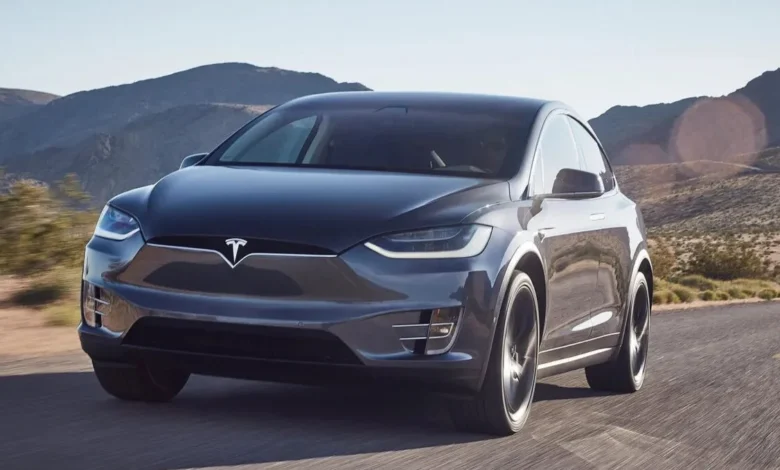
The intersection of advanced driver-assistance systems and consumer safety came under intense scrutiny following a lawsuit filed in the United States regarding a harrowing incident involving a Tesla Model X. The case, stemming from an event on June 29, 2023, in Kirkland, Washington, highlights ongoing concerns surrounding electric vehicle acceleration controls, the reliability of semi-autonomous driving software, and the critical role that vehicle telemetry data plays in modern automotive litigation. As regulatory bodies like the National Highway Traffic Safety Administration (NHTSA) and the National Transportation Safety Board (NTSB) continue to grapple with reports of unintended acceleration, this new legal challenge provides a compelling focal point for the ongoing debate over automation, driver accountability, and corporate responsibility in the automotive sector.
Chronology of the Kirkland Incident
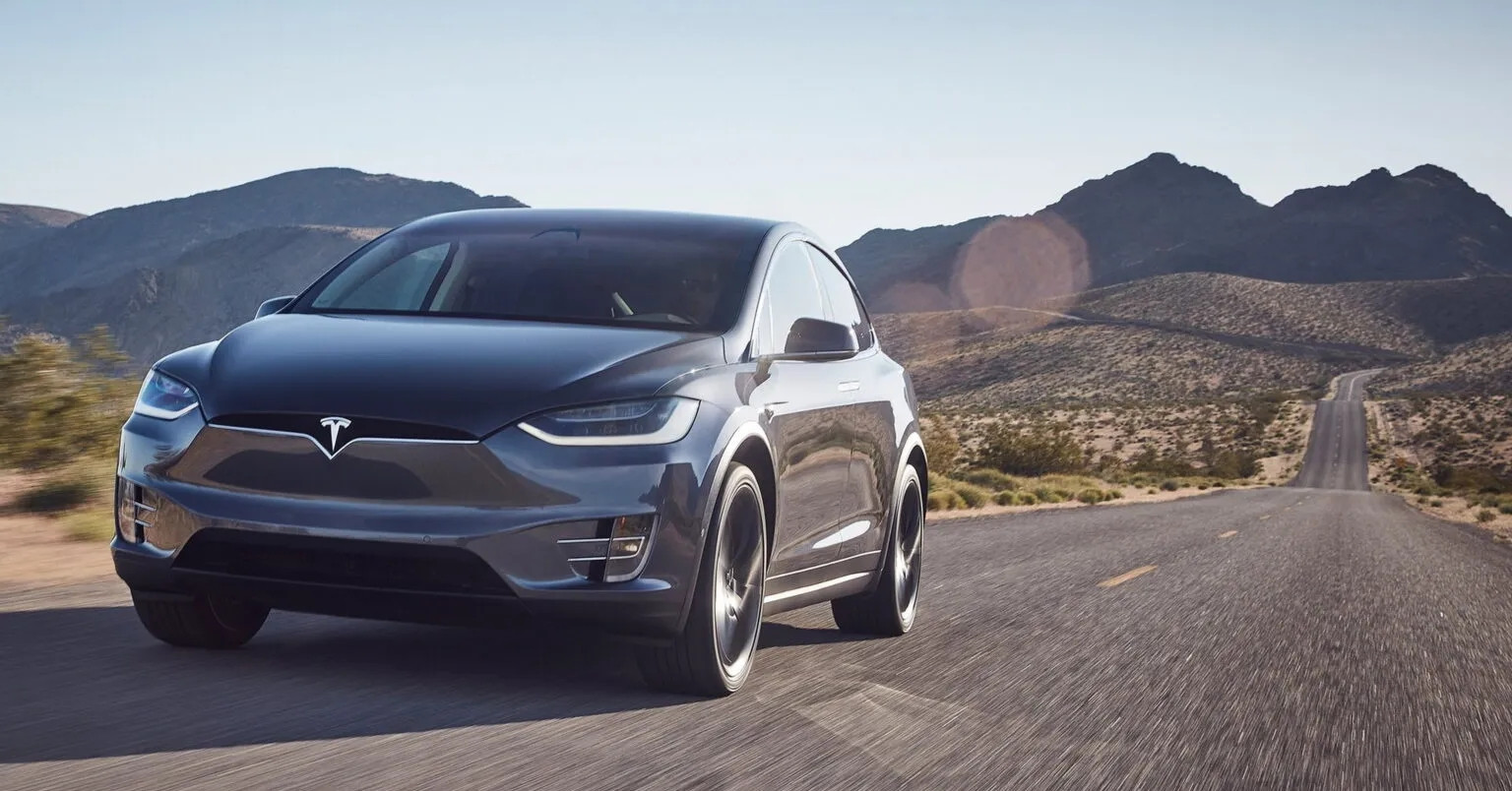
According to legal documents drawing from police and medical reports, the incident unfolded on the afternoon of June 29, 2023. Mr. Linh Nguyen was operating a brand-new 2023 Tesla Model X near the intersection of 144th Street Northeast and 124th Avenue Northeast in Kirkland, Washington. Accompanied by his 14-year-old daughter, Mr. Nguyen was navigating ordinary traffic conditions when the vehicle allegedly experienced a sudden, unexpected surge in power while remaining in a drive state.
Without warning, the electric SUV purportedly accelerated rapidly, charging through the intersection before crashing violently into a roadside embankment. In the critical seconds leading up to the impact, Mr. Nguyen reportedly attempted to regain control of the steering wheel and depress the brake pedal, but found the vehicle unresponsive to manual inputs. The SUV neither decelerated nor obeyed steering commands as intended. Fortunately, no other motorists or pedestrians were caught in the path of the runaway vehicle, preventing a potentially catastrophic multi-car collision.
Physical Injuries and Psychological Toll
The physical and psychological consequences of the crash were immediate and severe for the occupants. Mr. Nguyen sustained multiple injuries affecting his back, shoulders, neck, knees, and the soft tissue of his left side. In the immediate aftermath of the accident, he experienced profound dizziness and disorientation, struggling to maintain his sense of direction.
His 14-year-old daughter also suffered physical injuries alongside enduring significant psychological trauma stemming from the terrifying ordeal. In response to the crash, the family’s legal representation filed a formal lawsuit seeking comprehensive financial compensation from Tesla to cover mounting medical expenses, rehabilitation costs, and damages for pain and suffering. Furthermore, the legal filing underscores that Mr. Nguyen had previously invested approximately $15,000 for advanced driving technology upgrades—specifically pointing toward the Full Self-Driving (Supervised) package rather than standard baseline Autopilot features—raising consumer expectations regarding the sophistication and safety margins of the software.
Core Allegations and the Role of Vehicle Telemetry
The lawsuit, highlighted by automotive publication Carscoops, primarily targets Tesla’s Autopilot and advanced driver-assistance architectures. The complaint alleges that the vehicle’s software failed to maintain safe operation, bypassed driver intervention safeguards, and actively commanded acceleration despite physical counter-inputs from the operator.
However, legal experts emphasize that the ultimate resolution of this case will likely extend far beyond conflicting human testimonies. Modern electric vehicles like the Tesla Model X continuously record comprehensive operational data through their onboard event data recorders—often referred to as black boxes. These electronic logs capture granular metrics including vehicle speed, accelerator pedal position, brake status, steering angle inputs, and the precise operational state of driver-assistance systems in the seconds leading up to a collision.
This telemetry data serves as the ultimate arbiter in unintended acceleration disputes. If the retrieved data logs reveal that the accelerator, brake, and steering inputs align with Mr. Nguyen’s assertions that the vehicle accelerated against his will, the plaintiff’s case gains substantial technical backing. Conversely, if the telemetry indicates prolonged accelerator depression or a lack of appropriate braking input, the evidentiary landscape could shift dramatically in favor of the manufacturer. At present, these allegations remain civil claims within the judicial system and do not constitute an established finding of liability by a court or federal regulatory agency.
Broader Industry Trends and Federal Safety Investigations
Claims of unintended acceleration in Tesla vehicles are not isolated occurrences within the United States. Federal oversight bodies have repeatedly investigated similar incidents across various models and production years. In previous comprehensive reviews of consumer complaints, the National Highway Traffic Safety Administration (NHTSA) compiled data on over one hundred alleged instances of unintended acceleration involving Tesla vehicles.
In many of those prior federal evaluations, regulatory analysis of event data recorders concluded that the primary root cause stemmed from pedal misapplication—where drivers inadvertently pressed the accelerator instead of the brake. Investigators frequently cited a lack of objective physical evidence indicating electronic malfunctions or brake system failures during those analyzed events. Consequently, federal authorities have not universally assigned blame to Tesla for unintended acceleration claims, and the company maintains that its vehicles are equipped with redundant safety systems designed to prevent such anomalies.
Nevertheless, precedent exists for severe federal scrutiny of Tesla’s automation features. In 2018, a high-profile fatal Model X crash in California prompted a rigorous investigation by the National Transportation Safety Board (NTSB). The NTSB ultimately concluded that the vehicle’s Autopilot system had steered the SUV into a highway safety barrier while the driver was distracted, highlighting vulnerabilities in how automation systems manage complex road geometries and monitor driver attentiveness. While the 2018 California crash centered on lane-keeping automation and driver disengagement, the Kirkland lawsuit introduces distinct legal questions by focusing on sudden acceleration from a stationary or low-speed position at an intersection.
Implications for the Future of Autonomous Driving Regulation
As autonomous and semi-autonomous driving features become increasingly integrated into consumer vehicles, cases like the Kirkland Model X lawsuit carry profound implications for the automotive industry. The outcome of this legal battle may influence how courts interpret software liability, consumer software agreements, and the technical obligations of automakers when deploying advanced driver-assistance systems on public roadways.
For consumers, the incident underscores the ongoing debate regarding the limits of human-machine interfaces. As drivers invest heavily in premium automation suites, the expectation of fail-safe operational reliability remains paramount. Until the event data recorder logs are fully unlocked, analyzed, and presented in court, the question of whether the 2023 Tesla Model X experienced a rare electronic malfunction or whether the incident was the result of human error remains a critical unresolved chapter in the ongoing narrative of automotive safety and automation.