On October 29, the Islamic Revolutionary Guard Corps Navy (IRGC-N) issued a significant claim, asserting that they had successfully conducted an electronic warfare operation to seize control of a United States MQM-170 Outlaw reconnaissance drone. According to the Iranian military statement, the unmanned aerial vehicle (UAV) was operating in the sensitive waters west of the Strait of Hormuz—a global maritime chokepoint—when it was intercepted and forced to land safely under the control of Iranian electronic countermeasure units.
The incident has sparked intense debate among defense analysts regarding the operational status of the MQM-170, a platform primarily utilized by the U.S. military as a target drone for training and testing purposes. While Iran characterizes the vehicle as a "reconnaissance drone" used to map Iranian air defense positions along the Persian Gulf, the broader implications of the event suggest a complex intersection of regional tensions, electronic warfare capabilities, and the evolving nature of drone operations in the Middle East.
Chronology of the Incident and Visual Evidence
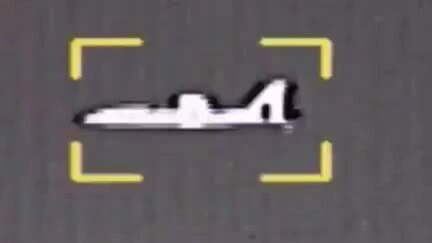
The IRGC-N released video footage purportedly showing the MQM-170 being tracked by sensors before it was brought down. The visual evidence depicts the drone resting on the ground, seemingly intact, surrounded by Iranian military personnel.
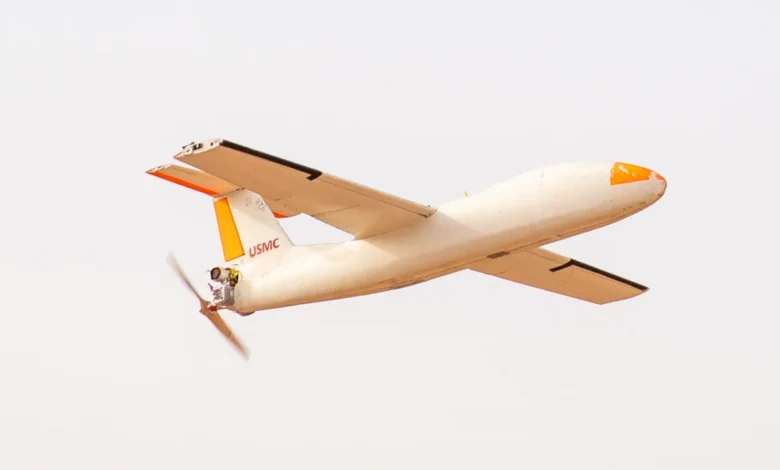
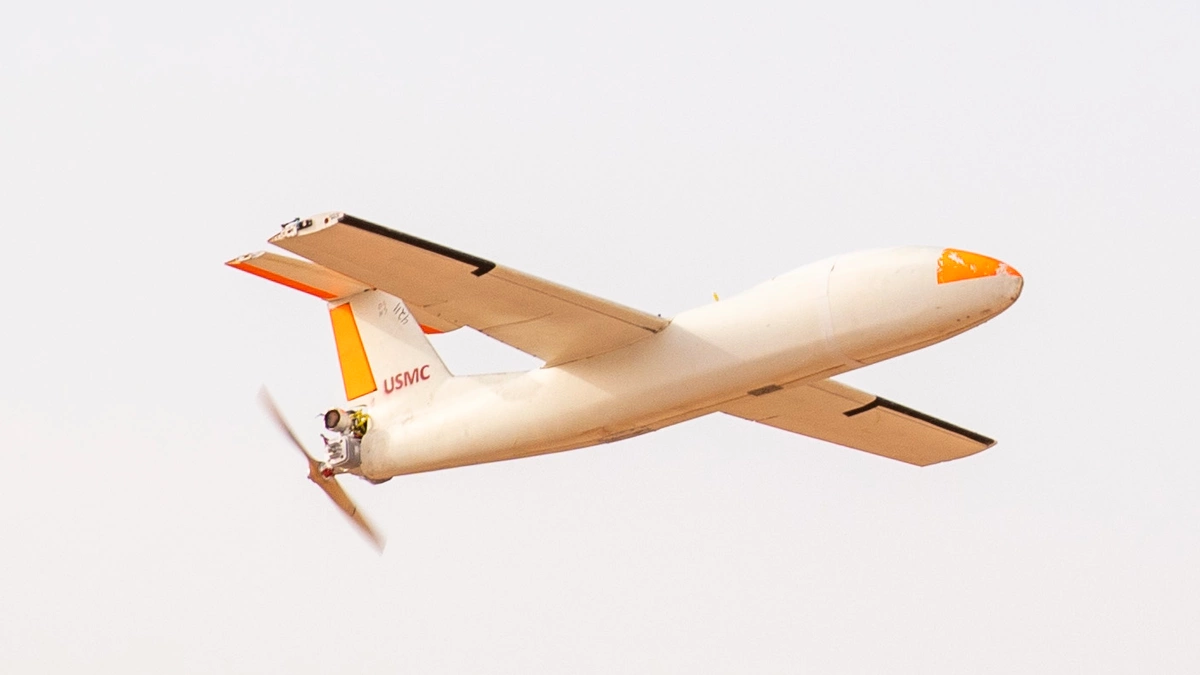
Defense observers, including Joseph Trevithick of The War Zone, have analyzed the imagery, identifying the vehicle as an MQM-170C, also known as the Outlaw Gen 2 (G2). The presence of a forward-facing optical window, typically associated with imaging systems used in surveillance or target identification, has provided fuel for the argument that the drone may have been outfitted with intelligence-gathering equipment, even if its primary design intent was as a target surrogate.
This event follows a series of maritime escalations in the Strait of Hormuz, where the U.S. and its allies have maintained a heightened presence to ensure the freedom of navigation. The timing of the incident coincides with increased naval drills in the region, providing a backdrop of high-stakes military activity where electronic surveillance and counter-surveillance are constant operational realities.
Technical Analysis: What is the MQM-170 Outlaw?
Manufactured by Griffon Aerospace, the MQM-170 series serves a diverse role in modern military inventories. The MQM-170C, which appears to be the model in question, is a robust, modular platform. With a length of over three meters and a wingspan of nearly five meters, it is designed for endurance and versatility.
Key specifications of the platform include:
- Operational Endurance: Up to 8 hours of continuous flight.
- Speed: Maximum speeds exceeding 230 km/h.
- Altitude: Service ceiling of approximately 4,900 meters.
- Propulsion: A two-cylinder engine driving a pusher propeller.
- Deployment/Recovery: Launched via a pneumatic rail system and recovered via parachute in suitable terrain.
Griffon Aerospace has also developed the G2E variant, which features three hardpoints, marketed as a modular platform capable of being adapted for intelligence, surveillance, and reconnaissance (ISR) missions, as well as testing advanced systems. While the drone seen in the Iranian video does not display these external hardpoints, experts suggest that its modular nature allows for quick reconfiguration, or it may have been carrying internal sensor packages that were not immediately visible.
Official Responses and Strategic Ambiguity
The U.S. military’s response has been one of measured dismissal. Commander Tim Hawkins, a spokesperson for U.S. Central Command (CENTCOM), declined to confirm or deny the specific details of the incident. "U.S. forces remain vigilant and fully focused on their assigned missions," Hawkins stated, reflecting a policy of not providing platforms for the verification of adversarial propaganda.
This silence is standard practice when dealing with claims that cannot be independently verified, particularly those involving electronic warfare, where the U.S. military is hesitant to reveal the vulnerabilities or capabilities of its hardware. However, the lack of a definitive denial has left room for speculation. If the drone was indeed on a training mission, its loss could indicate a tactical failure in the U.S. electronic security envelope or a demonstration of Iran’s maturing electronic warfare capabilities.
The Evolution of Electronic Warfare in the Gulf
The claim that Iran successfully "seized control" of the drone—rather than simply jamming its link and causing a crash—is the most alarming aspect of the report. If true, this implies that Iranian forces have the ability to spoof command-and-control links, effectively "hacking" the UAV to land it at a site of their choosing.
Historically, the U.S. has used target drones to simulate enemy aircraft, forcing regional air defense systems to activate their radar and tracking assets. This allows the U.S. to map these systems and develop effective countermeasures. The MQM-170 has been a staple in this "cat-and-mouse" game. However, if these drones are now being used in more direct tactical roles, the risk of interception and capture increases significantly.
During the 2003 invasion of Iraq, the U.S. famously used BQM-34 Firebee target drones to trigger Iraqi air defense radar, effectively baiting them into revealing their positions. The current situation in the Persian Gulf mirrors this, but with the added complexity of a technologically sophisticated adversary capable of performing sophisticated electronic signals intelligence (SIGINT).
Broader Implications and Strategic Analysis
The incident raises critical questions regarding the future of drone operations in contested environments. If the MQM-170 was equipped with sensitive sensor suites, the risk of technical compromise is high. Even if the drone was merely a target, the act of recovery and public display by the IRGC-N serves as a powerful propaganda tool, intended to demonstrate Iranian sovereignty and technical prowess over its maritime borders.

Furthermore, the involvement of other regional actors in using similar Outlaw-class drones for surveillance cannot be ignored. There is a strong possibility that the platform is being used by multiple nations in the region to monitor maritime traffic or support tactical operations. If these drones are being deployed as part of a wider intelligence-gathering network, the incident in the Strait of Hormuz could be just one facet of a much larger, invisible conflict.
The procurement of the "Gen 3" Outlaw by the U.S. military in June, with a contract valued at nearly $68 million, indicates that the U.S. intends to rely on this platform for the foreseeable future. The initial contract language, which mentioned supporting "Operation Inherent Resolve" before being redacted, suggests that the U.S. is increasingly integrating these systems into active theater operations rather than keeping them solely for domestic testing.
Conclusion: A New Era of Drone Vulnerability
As the dust settles on the incident, the core reality remains that the Middle East has become the world’s most intense laboratory for drone warfare. The MQM-170, while not an exquisite, high-altitude surveillance asset like the RQ-4 Global Hawk, is a critical component of the U.S. military’s tactical and training infrastructure.
Whether the drone was intercepted during a routine training flight or was part of a more aggressive surveillance mission, the incident highlights the ongoing shift toward contested aerial domains. For the United States, the challenge lies in balancing the operational necessity of using affordable, modular drones against the risks posed by adversaries who are increasingly adept at exploiting the electronic links that keep these aircraft in the sky.
Moving forward, the incident will likely force a re-evaluation of the security protocols surrounding the deployment of smaller, unmanned platforms in proximity to hostile electronic warfare environments. As technology advances, the line between a "target drone" and a "spy plane" continues to blur, and with it, the stakes of every lost aircraft in the Persian Gulf grow significantly higher. The silence from CENTCOM, while strategically sound, does not diminish the reality that in the shadow of the Strait of Hormuz, the electronic battlefield is as active and dangerous as the sea itself.