The Vietnamese government has officially unveiled a comprehensive master plan for the development of Information and Communications Technology (ICT) infrastructure for the 2021-2030 period, with a strategic vision extending to 2050. For the first time in the nation’s history, the logistics and postal sectors have been formally integrated into the core national ICT infrastructure framework. This monumental policy shift is designed to transform the postal and delivery landscape into a vital pillar of the burgeoning digital economy, ensuring that the physical flow of goods matches the rapid, seamless flow of digital data.
A Strategic Pivot in the Digital Era
Historically, the postal network in Vietnam operated as a fragmented entity, with individual enterprises building isolated, proprietary logistics chains to serve their internal business models. By the end of 2020, the country had established a vast network of over 21,600 service points, boasting impressive national coverage. However, the system lacked the cohesive, interlinked structure required for a modern digital nation.
The new master plan aims to rectify these historical limitations by shifting the focus toward a "digital-first" infrastructure. The goal is to move beyond simple mail delivery and toward a sophisticated, tech-enabled logistics ecosystem that integrates seamlessly with e-commerce platforms and digital government services. By aligning these components, the government intends to foster a harmonious development model across all regions, effectively bridging the gap between rural provinces and major urban centers.
Chronology of the Transformation
The impetus for this transformation began with the government’s broader "National Digital Transformation" program, which sought to identify key bottlenecks in the country’s infrastructure.
- 2020: The Ministry of Information and Communications (MIC) conducted a comprehensive audit of the national postal infrastructure, revealing significant gaps in digital integration and cross-enterprise collaboration.
- 2021-2022: Policy drafting and inter-ministerial consultations took place, focusing on aligning postal development with e-commerce growth and national security requirements.
- February 2024: The formal public announcement of the ICT Infrastructure Master Plan, marking a milestone in long-term strategic planning.
- 2025-2030: The implementation phase, characterized by the construction of regional postal hubs and the mandatory adoption of automated, high-tech sorting technologies.
The Role of Postal Infrastructure in the Digital Economy
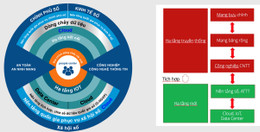
In the modern era, a resilient supply chain is as important as a robust internet connection. The master plan categorizes the postal network as one of the five critical components of national ICT infrastructure. It is designed to act as the "physical backbone" of the digital economy, ensuring that goods reach the consumer with the same efficiency that information reaches a device.
According to projections from the Ministry of Information and Communications, the sector is tasked with meeting aggressive performance metrics by 2025. These include:
- Daily Capacity: Increasing national mail processing capacity to 93,000 tons per day.
- Delivery Speed: Reducing inter-provincial and international delivery times to a maximum of 5 days, and intra-regional delivery to under 2 days.
- Regional Hubs: Establishing 3 to 5 major regional postal centers capable of handling over 11,000 tons of mail daily, with an average service radius of 350 km.
- Local Distribution: Implementing 14 regional centers with a capacity of 4,500 tons per day and a 115 km service radius.
Official Responses and Industry Collaboration
The development of this plan was not a top-down mandate but a collaborative effort between the Ministry of Information and Communications and major industry players like Vietnam Post and Viettel Post.
A representative from the Institute of Information and Communications Strategy emphasized that the plan was developed through rigorous data analysis and benchmarking against international standards. "The goal is not just to build more post offices, but to create a shared infrastructure ecosystem where data flows and physical goods are synchronized," the spokesperson noted.

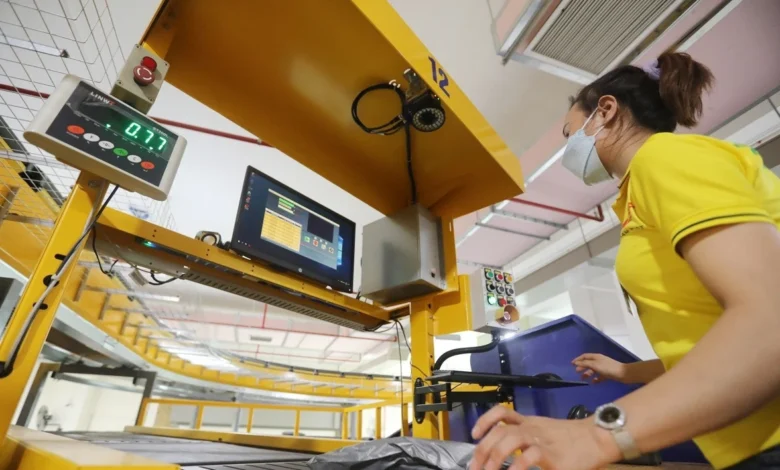
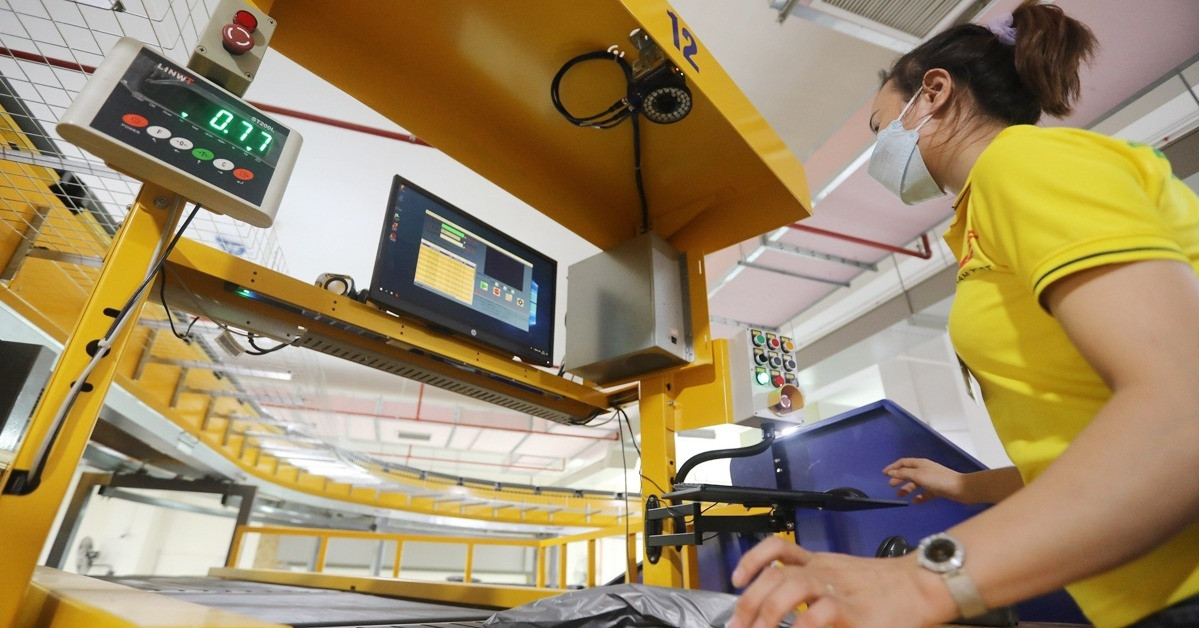
During the official unveiling on February 23, Deputy Minister Phan Tam provided clear directives to the industry. He urged logistics enterprises to prioritize investment in high-tech sorting equipment, automated conveyor systems, and Internet of Things (IoT) sensors to track shipments in real-time. He underscored that "shared infrastructure" is the key to reducing national logistics costs, which have historically been a significant burden on the competitiveness of Vietnamese exports.
Addressing the Digital Divide
One of the most critical aspects of the master plan is the focus on inclusivity. The policy explicitly states that every citizen, regardless of their location, should have access to high-quality, stable, and affordable postal services. This is a direct response to the "digital divide" that often leaves remote mountainous or island regions behind in the race for e-commerce integration.
By standardizing service quality and pricing, the government aims to ensure that the benefits of the digital economy are distributed equitably. This social objective is balanced with the economic necessity of high-capacity logistics hubs, ensuring that the infrastructure is both socially responsible and commercially viable.

Analysis of Future Implications
The integration of postal networks into the national ICT infrastructure has profound implications for Vietnam’s economic trajectory:
- Reduction in Operational Costs: By encouraging the "shared use" of infrastructure—such as transport vehicles and automated warehouses—enterprises can avoid the duplication of assets, which is a major driver of cost in the logistics sector.
- E-commerce Expansion: The plan provides the necessary support for the government’s target of becoming a top-tier digital economy in Asia. Reliable, fast, and traceable delivery is the prerequisite for trust in e-commerce, and this master plan provides the technical framework to build that trust.
- Resilience against Supply Chain Disruptions: The master plan includes provisions for "contingency planning," ensuring that supply chains remain unbroken during crises, whether they are natural disasters or global economic shocks. The modular design of the proposed hubs allows for rapid re-routing of goods.
- Technological Leapfrogging: The mandate to implement IoT and AI-driven sorting systems forces the sector to modernize. This will likely lead to a surge in demand for local tech talent and the growth of a "Make in Vietnam" ecosystem for logistics software and hardware.
Conclusion
The release of the ICT Infrastructure Master Plan represents a paradigm shift in how Vietnam views the relationship between physical and digital connectivity. By treating the postal network as a foundational element of its digital future, the government is not merely updating its logistics capacity; it is building the infrastructure for a modern, digital society.
As the country moves toward 2030, the success of this plan will depend on the continued collaboration between the public sector and private enterprises. If the ambitious targets for capacity and efficiency are met, Vietnam will be well-positioned to serve as a high-tech logistics hub for the Southeast Asian region, cementing its status as an emerging leader in the global digital economy. The focus on "human-centric" development, ensuring access for all citizens, serves as the final, critical piece in this complex, nationwide puzzle.
Related posts: