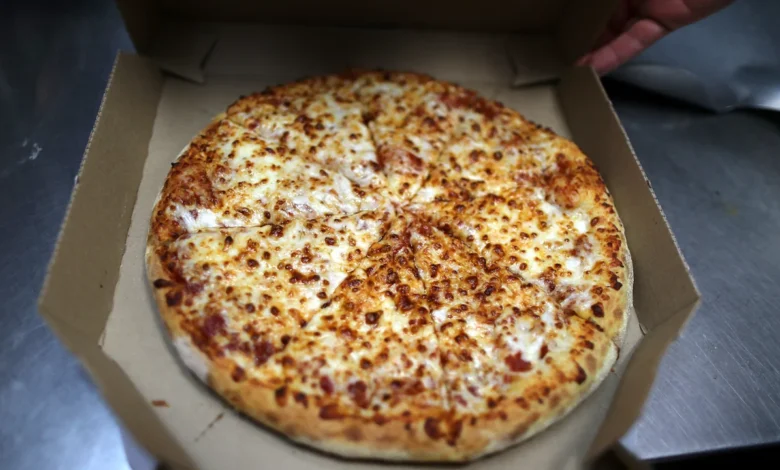
The American pizza industry, once considered an invincible staple of the nation’s culinary landscape, is facing a profound existential crisis. Major players such as Pizza Hut, Papa Johns, and Little Caesars, which thrived during the pandemic-driven surge in delivery and takeout, are now struggling to retain customers in a landscape defined by economic caution, changing dietary priorities, and an increasingly crowded food-service market.
The Post-Pandemic Shift in Consumer Behavior
The trajectory of the U.S. pizza market has been a tale of two distinct eras. During the height of the global health crisis, these chains experienced unprecedented growth as households pivoted toward convenient, contactless, and affordable dining options. With lockdowns in place, the "big four"—Domino’s, Pizza Hut, Papa Johns, and Little Caesars—became the go-to solution for millions of Americans.
However, as the world transitioned back to normalcy, the industry encountered a stark reality: the surge in demand was not structural but circumstantial. Today, consumers are grappling with prolonged inflationary pressures and are scrutinizing non-essential spending. When choosing where to allocate their food budgets, diners are increasingly prioritizing value, health-conscious options, and the diverse convenience offered by third-party delivery aggregators like DoorDash and Uber Eats. These platforms have expanded the competitive landscape, forcing pizza chains to battle not just each other, but also quick-service restaurants (QSRs) like McDonald’s and Chick-fil-A for a share of the consumer’s wallet.
Market Contraction and Data Analysis
The data underscores a significant retreat in the industry’s physical footprint. According to insights from market intelligence firm Datassential, the number of pizza outlets in the United States peaked at approximately 83,000 in August 2019. Seven years later, the landscape has seen a net loss of over 9,600 establishments. This massive contraction reflects both a saturation of the market and an inability of smaller or less efficient operators to keep pace with rising operational costs.
Financial reports for 2025 further illustrate this decline. Technomic data indicates that aggregate revenue for U.S. pizza establishments decreased by 0.3% this year. The impact is particularly evident in independent pizzerias, which saw a 0.4% dip, while major chains—which account for roughly 70% of the total pizza revenue in the U.S.—also recorded a 0.3% decrease in sales.
Company-specific performance varies, highlighting the disparity in brand resilience. Papa Johns reported a 2.5% decline in same-store sales across North America for 2025, while Pizza Hut saw a steeper drop of 5%. In contrast, Domino’s managed to buck the trend, reporting a 3% increase in revenue compared to the previous year, suggesting that their specific strategies in digital integration and delivery logistics continue to resonate with the remaining market.
Investor Sentiment and Structural Challenges
Wall Street has mirrored this cooling of enthusiasm for the pizza sector. Since March 2020, share prices for Papa Johns have plummeted by approximately 70%. Even market leader Domino’s has seen its stock rise by only 2% over the same period, a stark contrast to the S&P 500, which has surged by roughly 150% during the same timeframe.
The struggles of major conglomerates are best exemplified by the recent divestment of Pizza Hut. Yum! Brands, the parent company, offloaded the chain in mid-2025 after nearly two decades of stagnant performance. The brand was sold to LongRange Capital and Yum China, marking a formal admission that the chain had become a drag on the broader corporate portfolio. This sale serves as a case study for the difficulties legacy brands face in updating their business models to suit modern tastes.
The Rise of Alternative Competitors
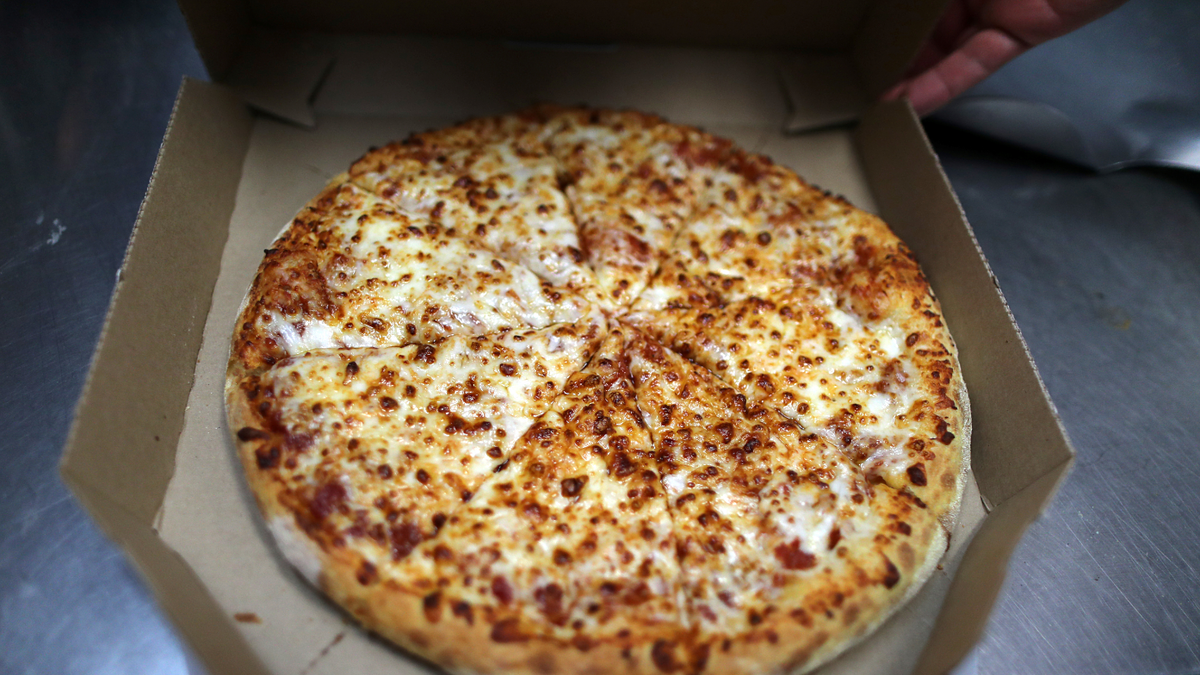
The competitive threat is no longer limited to rival pizza chains. Convenience stores like Casey’s General Stores have emerged as formidable contenders. By leveraging their existing infrastructure and offering lower-priced pizza, they have captured a significant portion of the market share previously dominated by traditional chains. Sara Senatore, a financial analyst at Bank of America Securities, noted in a June report that Casey’s possesses a structural advantage over quick-service restaurants, as they can absorb inflationary costs more effectively and maintain lower price points, directly eating into the territory of legacy pizza brands like Pizza Hut.
Furthermore, the frozen pizza segment has seen a resurgence. According to NielsenIQ, sales of frozen pizza increased by nearly 3% for the year ending November 7, 2025, compared to the same period in 2022. For budget-conscious consumers, the frozen aisle offers a cost-effective alternative that fulfills the craving for a quick meal without the premiums associated with delivery and service fees.
Nutritional Shifts and the GLP-1 Factor
One of the most nuanced challenges facing the industry is the fundamental shift in dietary preferences, exacerbated by the rising popularity of GLP-1 agonist medications. These drugs, used for weight management and blood sugar control, have significantly altered the eating habits of millions of Americans.
The high carbohydrate content of pizza crusts and the saturated fat levels in cheese are increasingly at odds with the dietary focus of those on these medications. A 2025 survey by PwC found that households with members using GLP-1 medications saw their spending on pizza drop by more than 20% within six to eight months of treatment. This shift is not a temporary trend but a long-term change in consumption behavior that pizza chains are ill-equipped to address given the core nature of their product.
While some chains have experimented with healthier alternatives, such as protein-enhanced crusts, these efforts have largely remained limited in scope. For instance, a recent test by Papa Johns in Atlanta was restricted to a single location and lasted only a single day, suggesting that the industry is still struggling to reconcile its core identity with the evolving nutritional landscape.
Industry Resilience and Future Outlook
Despite these headwinds, industry experts remain cautious but not alarmist. David Portalatin, a food industry advisor at Circana, points out that the total number of pizza portions sold has only declined by about 1% this year, suggesting that while the industry is shrinking, the demand for the product itself remains robust.
"Pizza is not going to disappear, as American consumers have a deep-seated affinity for this food," says Portalatin.
To survive, chains are aggressively pivoting. Domino’s recent introduction of "Domino," a Detroit-style pizza designed for individual consumption, represents a move to cater to the growing demographic of single-person households. Meanwhile, Papa Johns has announced a new strategic plan aimed at enhancing operational efficiency and the "craveability" of its menu items, while Pizza Hut is betting on seasonal promotions to drive traffic.
The sector is currently undergoing a painful "right-sizing." The era of unchecked growth is over, replaced by a period of intense competition where only the most agile, cost-efficient, and responsive brands will survive. As pizza chains continue to navigate this volatile environment, the success of their turnaround efforts will depend on their ability to balance the demand for value with the increasingly sophisticated and health-conscious expectations of the American consumer. Whether they can reinvent themselves as a sustainable option in an era of dietary scrutiny remains the industry’s most significant hurdle for the remainder of the decade.