Toyota Yaris Cross depreciation analysis after three years of ownership reveals significant market shifts for crossover buyers

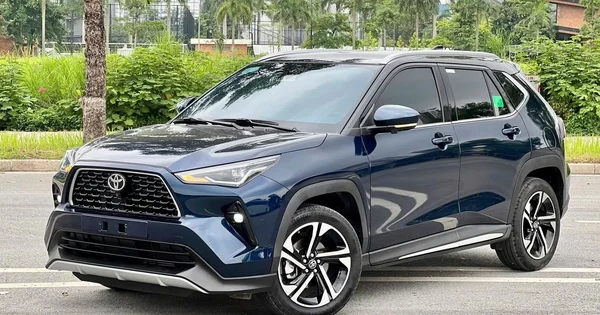
The automotive landscape in Vietnam has witnessed a dramatic transformation in the valuation of the Toyota Yaris Cross, particularly for the 2023 model year, as recent data from the pre-owned vehicle market indicates a steep depreciation curve. Owners of these vehicles are currently seeing resale values drop by several hundred million Vietnamese Dong compared to the initial "on-the-road" costs. This sharp decline in value is particularly pronounced in the hybrid variant, which has experienced a larger percentage loss than its internal combustion engine (ICE) counterpart, challenging conventional wisdom regarding the long-term value retention of electrified vehicles in the domestic market.
Chronology and Market Entry
The Toyota Yaris Cross made its highly anticipated entry into the Vietnamese market in September 2023. Positioned to compete in the fiercely contested B-segment crossover category, it was introduced with two distinct powertrain options: a standard 1.5L gasoline engine and a fuel-efficient hybrid variant. At launch, the manufacturer set the suggested retail prices at 730 million VND for the gasoline model and 838 million VND for the hybrid version.
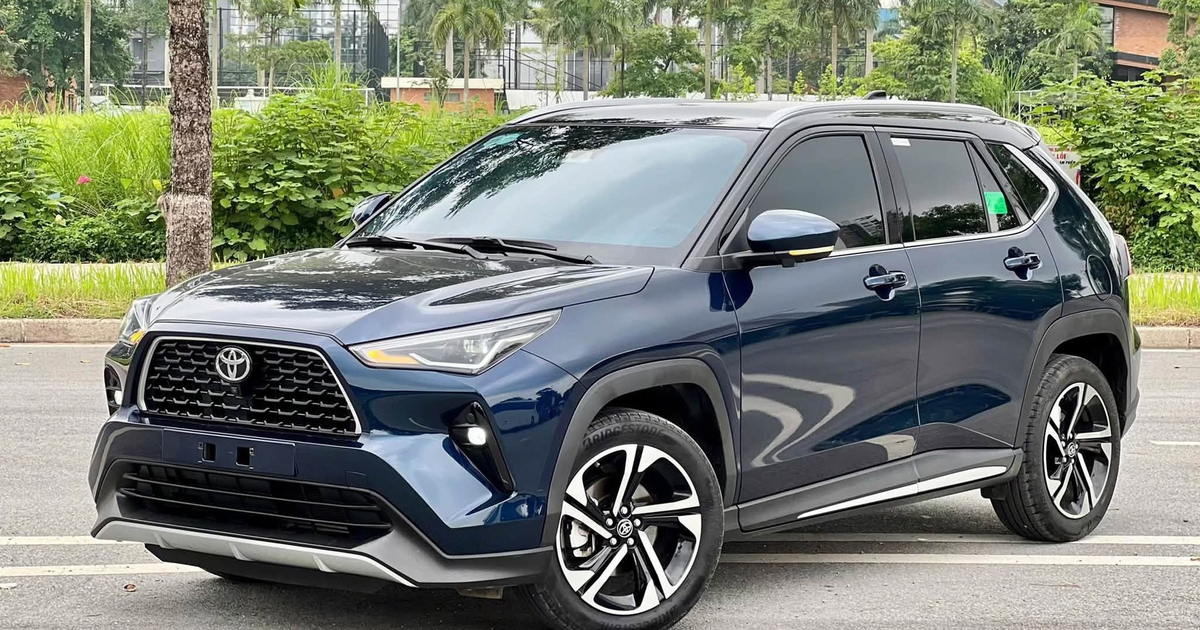
However, the "on-the-road" cost—which includes registration fees, road usage charges, and mandatory insurance—pushed these figures significantly higher. Buyers of the gasoline model typically faced an initial investment of approximately 830 million VND, while the hybrid model’s total acquisition cost reached upwards of 950 million VND, depending on the province of registration. Within just three years, the market dynamics have shifted drastically, driven by aggressive pricing strategies from the manufacturer and a cooling demand for certain pre-owned segments.
Financial Depreciation Analysis
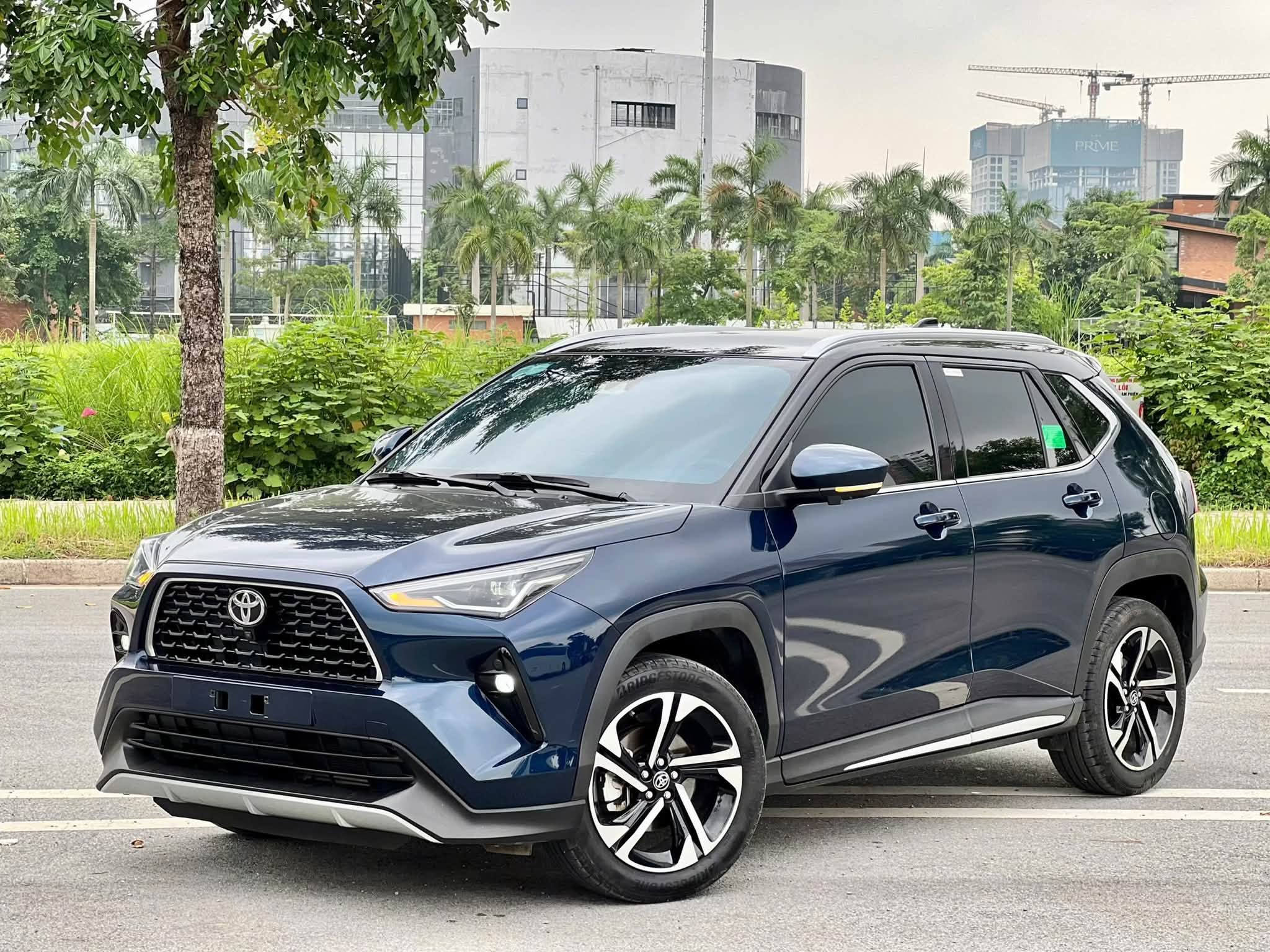
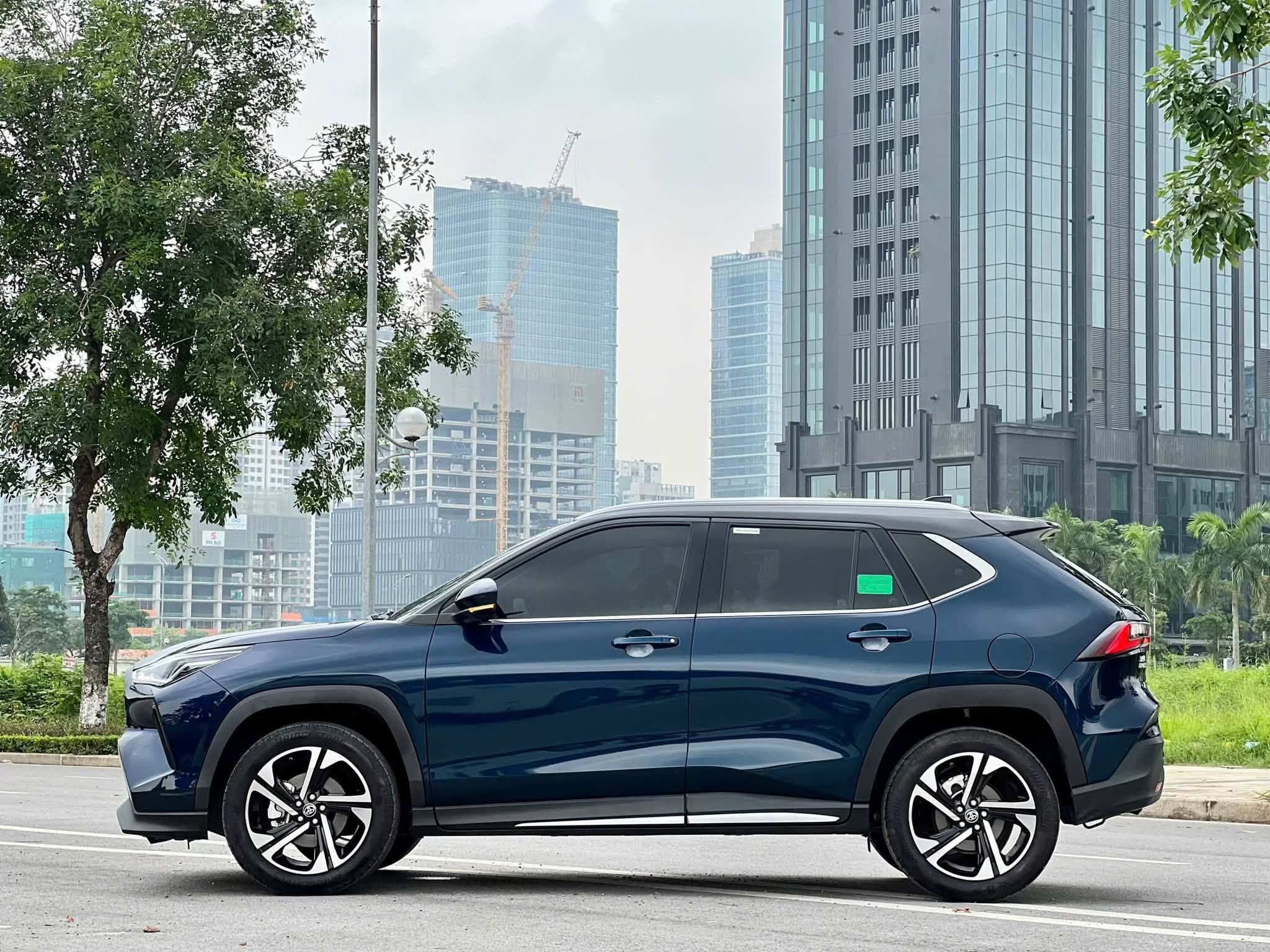
In the current secondary market, the 2023 Toyota Yaris Cross has seen a substantial reduction in value. Gasoline-powered models from the 2023 production year are now frequently listed for approximately 580 million VND. When calculated against the initial on-the-road cost of 830 million VND, the owner faces a depreciation of roughly 250 million VND, representing a loss of approximately 30.1% of its original total value.
The hybrid variant presents an even more stark financial reality. With initial costs reaching 950 million VND, current market listings for the 2023 hybrid model hover around 610 million VND. This indicates a staggering loss of 340 million VND, or roughly 35.8% of the initial capital outlay. This data point is critical for potential buyers and sellers, as it reveals that the premium initially paid for the hybrid technology has not held its value in the used car market as effectively as some analysts had initially predicted.
The Impact of Manufacturer Price Adjustments
The depreciation of the 2023 Yaris Cross is inextricably linked to the aggressive pricing policy adopted by Toyota Vietnam shortly after the vehicle’s launch. In January 2024, only four months after the model’s debut, Toyota implemented a significant downward adjustment to the manufacturer’s suggested retail price (MSRP). The gasoline version saw a reduction of 80 million VND, bringing it down to 650 million VND, while the hybrid version was reduced by 73 million VND to 765 million VND.
As of November 2026, the MSRP for the gasoline version remains at 650 million VND, while the hybrid model has undergone a facelift and is currently priced at 733 million VND. When compared to the original launch prices, these new vehicle costs are 80 million and 105 million VND lower, respectively. This structural change in new car pricing created an immediate "ripple effect" on the pre-owned market, effectively dragging down the resale value of existing 2023 models.
Furthermore, Toyota has frequently employed promotional programs, such as registration fee subsidies, to stimulate sales. In November 2026 alone, the company offered a 50 million VND incentive for the gasoline model and up to 74 million VND for the hybrid version. These incentives make purchasing a brand-new vehicle significantly more attractive, thereby placing immense downward pressure on the resale values of older, used units.
Implications for Consumers
The narrowing price gap between the gasoline and hybrid models in the used car market is a noteworthy development. While the initial retail price difference between the two versions was roughly 120 million VND, the current price spread in the pre-owned market has compressed to approximately 30 million VND. For the consumer, this suggests that the market is currently undervaluing the hybrid technology in older models, potentially offering a "value buy" for those willing to assume the risks associated with aging hybrid battery systems.
However, industry experts advise that price should not be the sole determinant for buyers in the secondary market. The actual transaction value of a 2023 Yaris Cross is heavily dependent on the vehicle’s specific condition, its maintenance history, and its mileage. A well-maintained vehicle with a complete service record from authorized dealerships will inevitably command a higher price than a unit with an opaque service history or signs of excessive wear and tear.
Due Diligence: A Buyer’s Checklist
For those considering the purchase of a 2023 Yaris Cross in the current market, comprehensive due diligence is essential. The following factors should be prioritized before finalizing any transaction:
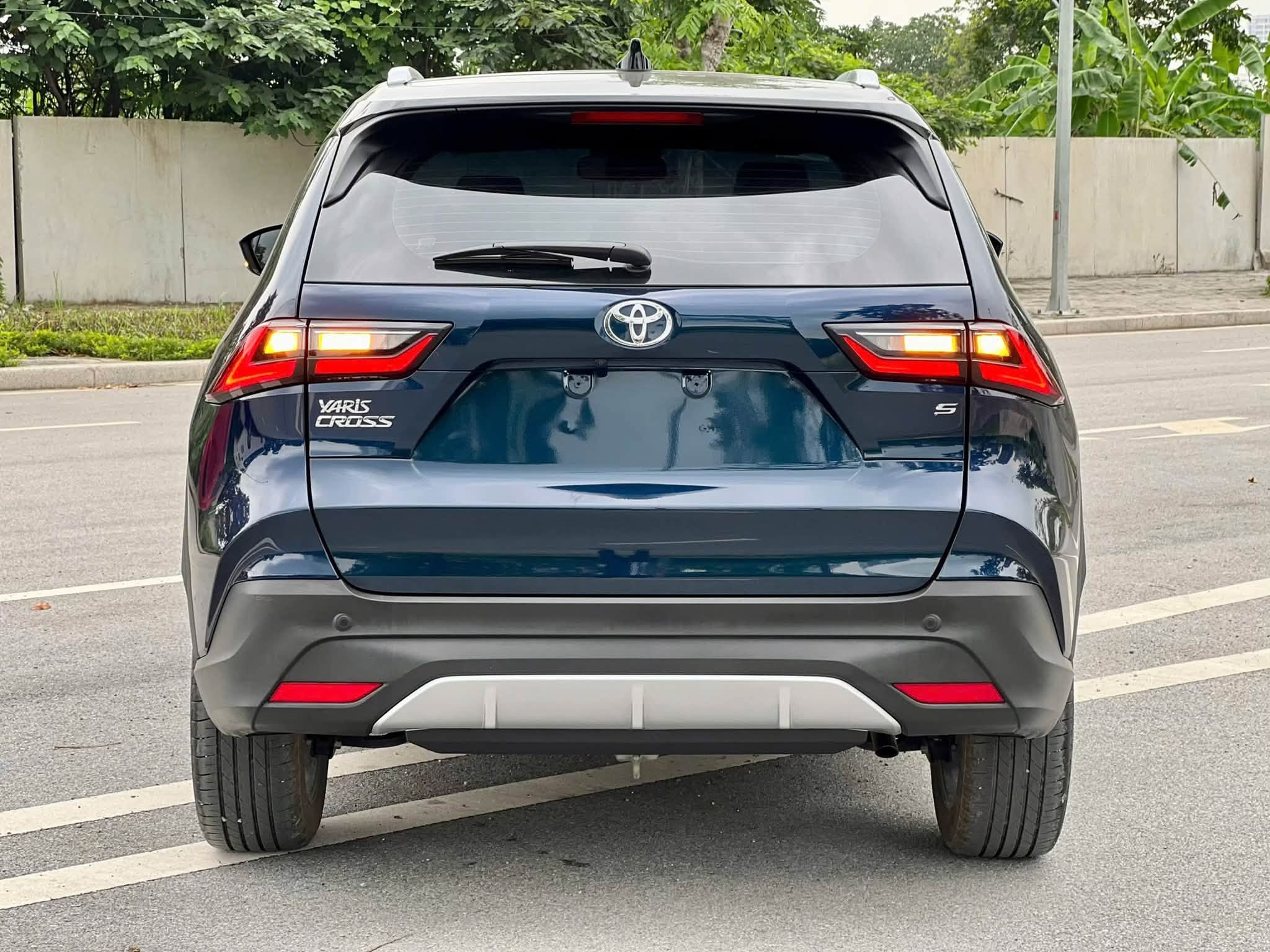
- Structural Integrity: A professional inspection of the chassis, frame, and engine bay is non-negotiable. Buyers must look for tell-tale signs of previous collisions, flood damage, or unauthorized structural repairs, which are common in cheaper, high-depreciation listings.
- Mechanical Assessment: Wear-and-tear components such as tires, braking systems, suspension components, and the climate control unit require professional evaluation. Neglecting these areas can lead to significant post-purchase repair costs that effectively negate the savings from the lower purchase price.
- Hybrid System Health: For the hybrid variant, it is imperative to use specialized diagnostic equipment to assess the state-of-health (SoH) of the high-voltage battery. The cost of replacing these units can be substantial, and a failing battery could render a "good deal" into a financial liability.
- Total Cost of Ownership: Beyond the purchase price, buyers must factor in the costs of title transfer, insurance, and the immediate need for a major service. When comparing a used 2023 model to a new model with manufacturer incentives, the total financial benefit of buying used may be smaller than it appears at first glance.
Broader Industry Context
The depreciation trend observed with the Toyota Yaris Cross is reflective of a wider trend in the Vietnamese automotive sector. As the market matures and competition from both established global brands and emerging electric vehicle (EV) manufacturers intensifies, manufacturers are increasingly forced to adjust pricing to maintain market share.
For the Toyota brand, which has historically enjoyed high resale value, the Yaris Cross case study serves as a reminder that even top-tier manufacturers are subject to the laws of supply and demand. The rapid shift in valuation also highlights the importance of timing in the automotive market. Consumers who purchased the vehicle at its peak price point in late 2023 have essentially borne the brunt of the manufacturer’s market correction.
Ultimately, while the current low prices for a 2023 Toyota Yaris Cross may seem enticing, the decision to purchase should be guided by a cold assessment of the vehicle’s long-term utility versus its remaining lifespan. Given the current incentives available on new units, the gap between "new" and "pre-owned" has tightened, making the new vehicle option an increasingly viable competitor to the secondary market. Buyers are encouraged to weigh these factors carefully, ensuring that they do not sacrifice long-term reliability for short-term savings. As the market continues to evolve, the Yaris Cross will remain a focal point for understanding the dynamics of vehicle depreciation in an increasingly volatile economic environment.