Hà Tĩnh Social Housing Buyers Face Cancellation Risk as Preferential Capital Runs Dry

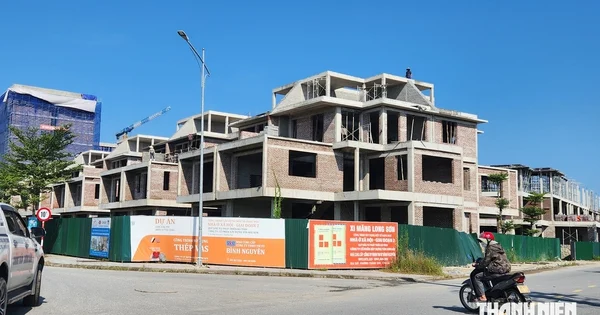
The dream of homeownership has transformed into an agonizing ordeal for hundreds of low-income families in Ha Tinh Province, Vietnam. Following a rigorous and highly competitive selection process, 509 successful applicants secured the right to purchase apartments in the prestigious Phase II Social Housing Project, located in Thanh Sen Ward. However, the initial euphoria of victory has quickly evaporated. Upon approaching the provincial branch of the Vietnam Bank for Social Policies (VBSP) to apply for preferential housing loans, these fortunate buyers were met with a distressing revelation: the allocated preferential capital pool has been completely exhausted.
Faced with stringent payment schedules mandated by the project developer and a complete lack of subsidized credit, these families now find themselves in a precarious financial limbo. With the specter of having their purchase rights revoked hanging over their heads, homebuyers, local banking officials, and project developers are grappling with an escalating housing crisis that underscores the broader structural vulnerabilities within Vietnam’s affordable housing financing ecosystem.
A High-Stakes Lottery Win Turns into Financial Despair
The predicament began after the Development Investment Fund of Ha Tinh Province organized a preliminary lottery draw to allocate apartment units for the Phase II Social Housing Project. The stakes were exceptionally high: out of a staggering 1,786 valid applications, only 509 applicants emerged victorious, earning the coveted right to buy a home.
For many working-class residents, this victory represented a once-in-a-lifetime opportunity to escape the unstable rental market and secure a permanent residence. Among them is Mr. P.V.T., a resident of Thanh Sen Ward, whose family shed tears of joy upon learning they had won the ballot. That joy, however, was short-lived.
"My wife and I were overjoyed when we won the right to buy an apartment," Mr. T. shared. "Who would have thought that when we went to the bank to inquire about loan procedures, we would be told the funds were completely gone? Without preferential loans, where are we supposed to get hundreds of millions of dong to pay on schedule? The risk of having our purchase rights canceled is very real."
The financial pressure is intensified by the developer’s rigid payment milestones. According to the official payment schedule issued by the Development Investment Fund of Ha Tinh Province, buyers must disburse funds in heavily front-loaded installments:
- 20% of the contract value must be paid between September 20 and October 10.
- 30% is due between October 20 and November 10.
- 20% must be paid between November 20 and December 10.
- 25% is payable upon house handover, tentatively scheduled for January 2027.
- The final 5% is settled upon the issuance of the official land-use right and home ownership certificate.
Without the backing of low-interest state loans, families like Ms. N.T.H., another lottery winner, face insurmountable hurdles. "If we cannot secure preferential loans from VBSP, we will be forced to turn to commercial banks, where interest rates are exorbitantly high," Ms. H. noted despondently. "If we cannot raise the money to pay on time, the risk of losing our apartment purchase rights is immense."
Anatomy of a Capital Crunch: The VBSP Perspective
The root of the crisis lies in a severe structural mismatch between surging public demand and constrained state budget allocations. Mr. Nguyen Tien Thuc, Deputy Director of the VBSP Ha Tinh Branch, candidly admitted that the institution is grappling with an unprecedented capital bottleneck.
At the beginning of 2026, the central VBSP headquarters allocated 325 billion VND to the Ha Tinh branch. However, due to an exponential surge in local demand for building and renovating residential homes—fueled heavily by the implementation of Government Decree 100/2024/ND-CP regarding social housing development—the entire allocation was disbursed rapidly across the province.
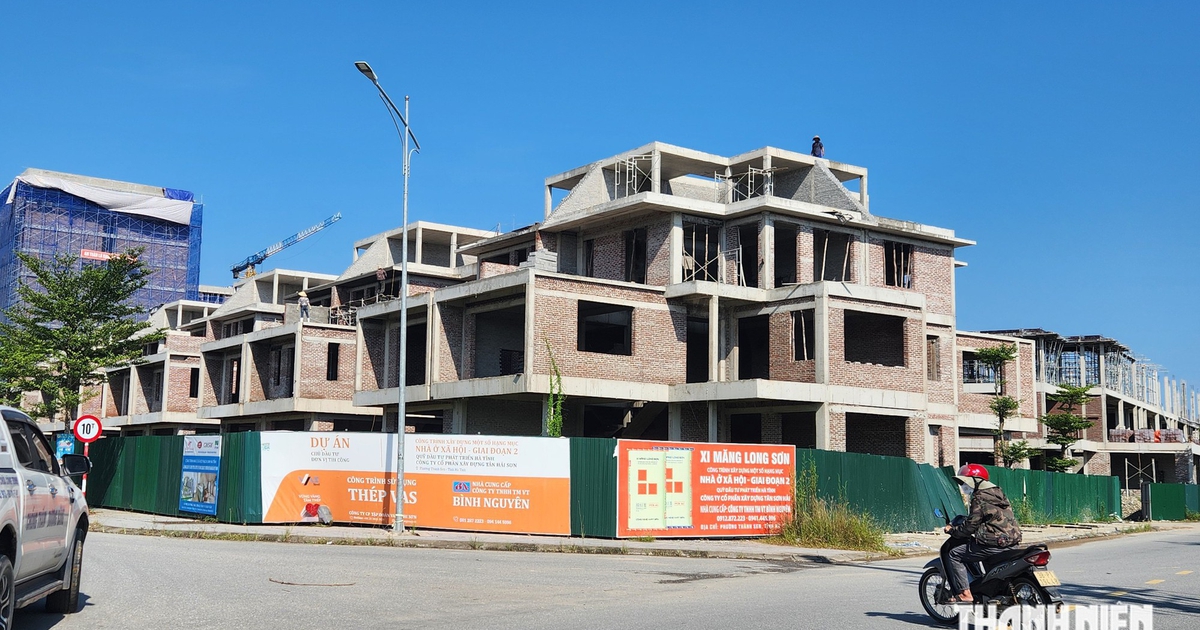
A primary driver behind the rapid depletion of funds is the stark interest rate differential. VBSP currently offers a preferential lending rate of 5.4% per annum for social housing buyers, a figure vastly more attractive and accessible than the fluctuating, higher rates found in the commercial banking sector.
"Before the project developer organized the lottery, we proactively reported the situation and requested VBSP Central to supplement approximately 329 billion VND to meet the demands of social housing buyers," Mr. Thuc explained. "However, to date, this supplementary funding has not been provisioned."
In the interim, the VBSP Ha Tinh branch is scrambling to mitigate the shortfall. Officials are aggressively accelerating debt collection on maturing loans to recycle funds for re-disbursement, while simultaneously petitioning central authorities for early access to the 2027 credit allocation. "Wherever funds become available, the bank will prioritize allocating them in accordance with regulations to resolve the legitimate needs of the citizens," Mr. Thuc affirmed.
The Commercial Banking Alternative: A Narrow and Rocky Path
Recognizing the gravity of the crisis, the project developer has attempted to intervene. Mr. Pham Thai Binh, Director of the Development Investment Fund of Ha Tinh Province, stated that the unit had proactively notified local commercial banks about the project timeline since the beginning of the year.
Following the sudden freeze in VBSP preferential capital, the Fund initiated direct dialogues with several commercial banks operating within the province to find alternative financing pathways for homebuyers. Unfortunately, these efforts have yielded limited results. Commercial lenders cited severe capital mobilization challenges, rigorous credit appraisal procedures, and an inability to commit to blanket loan approvals for all applicants.
Mr. Binh pointed out that while the government’s flagship 120,000 billion VND credit package for social housing has been widely publicized, its actual disbursement rate remains stubbornly low. In practice, navigating commercial banks to access this credit line remains an arduous, obstacle-laden journey for low-income earners.
"The Fund is currently reviewing and compiling detailed statistics on the exact number of customers needing loans, as well as the specific hardships they face, to establish concrete data," Mr. Binh emphasized. "Once consolidated comprehensively, the Fund will issue a formal report to the Provincial People’s Committee and the State Bank of Vietnam to seek strategic guidance and untangle these roadblocks for our citizens."
Project Overview and Future Outlook
The Thanh Sen Ward Phase II Social Housing Project is a cornerstone of Ha Tinh Province’s urban development and social welfare strategy. Backed by a total estimated investment of approximately 550 billion VND, the ambitious development spans three 12-story residential towers comprising a total of 509 apartments, covering a gross floor area of roughly 46,000 square meters.
Beyond the social housing blocks, the master plan incorporates 41 three-story commercial townhouses, complemented by comprehensive civil infrastructure, including internal roadways, public parks, children’s playgrounds, outdoor sports facilities, and dedicated parking lots. According to construction timelines, the entire project is scheduled for completion and handover by December 2026.
Despite the modern infrastructure and promising master plan, the current financial impasse casts a dark shadow over the development. Unless central regulatory bodies swiftly intervene to inject supplementary liquidity into VBSP or streamline commercial lending criteria for low-income brackets, the very beneficiaries the social housing program was designed to protect may be priced out before construction is even finalized. The coming weeks will prove critical as provincial authorities race against the clock to reconcile payment deadlines with institutional financial realities.