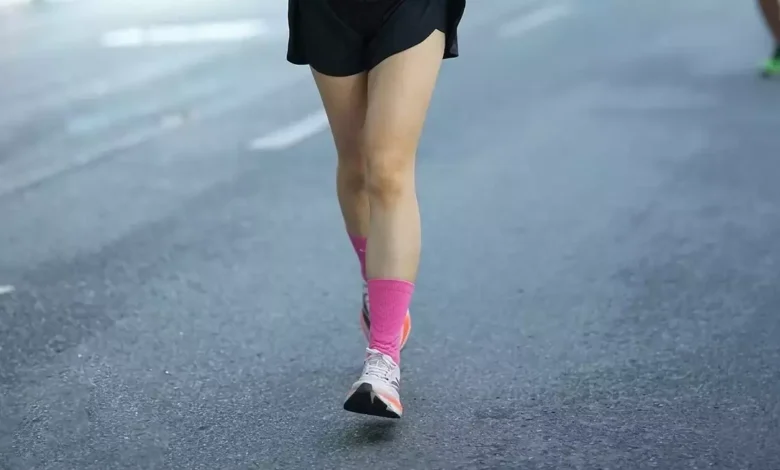
In the evolving landscape of physical therapy and preventative healthcare, a simple, unconventional movement pattern has begun to gain significant traction among fitness enthusiasts and medical practitioners alike: backward walking, also known as retro-walking. While traditional forward walking is a foundational element of human locomotion, research increasingly suggests that reversing the direction of travel for as little as ten minutes a day can provide substantial physiological benefits, ranging from improved joint health to enhanced cognitive focus.
The Biomechanics of Retro-Walking
Unlike forward walking, which is a habitual, subconscious act, backward walking requires a higher degree of neuro-muscular engagement. When an individual walks backward, the body must adjust its center of gravity and recruit different muscle groups to maintain stability. The primary muscles utilized during this exercise are the quadriceps, the glutes, and the calf muscles, which must work in a more controlled, rhythmic fashion to prevent falling and to propel the body in a non-intuitive direction.
According to studies published in outlets such as the Times of India, this change in mechanical load significantly impacts the way joints interact. In a standard forward gait, the heel strikes the ground first, creating a specific impact wave that travels through the ankle, knee, and hip. By reversing this motion, the impact is distributed differently across the joints. This shift in kinetic energy helps in offloading the patellofemoral joint, making it a compelling candidate for inclusion in physical therapy programs for patients recovering from knee injuries or those suffering from degenerative conditions like osteoarthritis.
A Historical and Scientific Perspective
The concept of retro-walking is not entirely new; it has been utilized for decades in sports science and athletic training. Coaches often incorporate backward running or walking as a warm-up drill to improve coordination and agility among athletes. However, its application for the general public, particularly the aging population, has only recently been prioritized as a low-impact, high-reward strategy for fall prevention.
The chronological development of this practice as a health intervention began with small-scale clinical trials aimed at proprioception—the body’s ability to perceive its position in space. Researchers found that when older adults practiced backward movement, their confidence in balance increased, and their fear of falling decreased. By forcing the brain to process spatial orientation differently, the exercise acts as a form of cognitive training, strengthening the neural pathways responsible for equilibrium.
Supporting Data and Clinical Implications
Data gathered from various health repositories indicate that the biomechanical advantages are quantifiable. For example, electromyographic (EMG) studies have shown that the quadriceps are activated more intensely during backward walking than during forward walking at the same speed. This increased activation is critical for knee stability, as stronger quadriceps provide better support for the joint, effectively acting as a shock absorber.
Furthermore, a study in the journal Verywell Health highlights that the energy expenditure during retro-walking is higher than that of forward walking. Although it is not a high-intensity aerobic exercise, ten minutes of consistent backward movement can lead to a higher heart rate compared to an equal duration of forward walking, providing a subtle cardiovascular boost while simultaneously engaging core stabilizer muscles to maintain an upright posture.
Official Guidelines and Safety Protocols
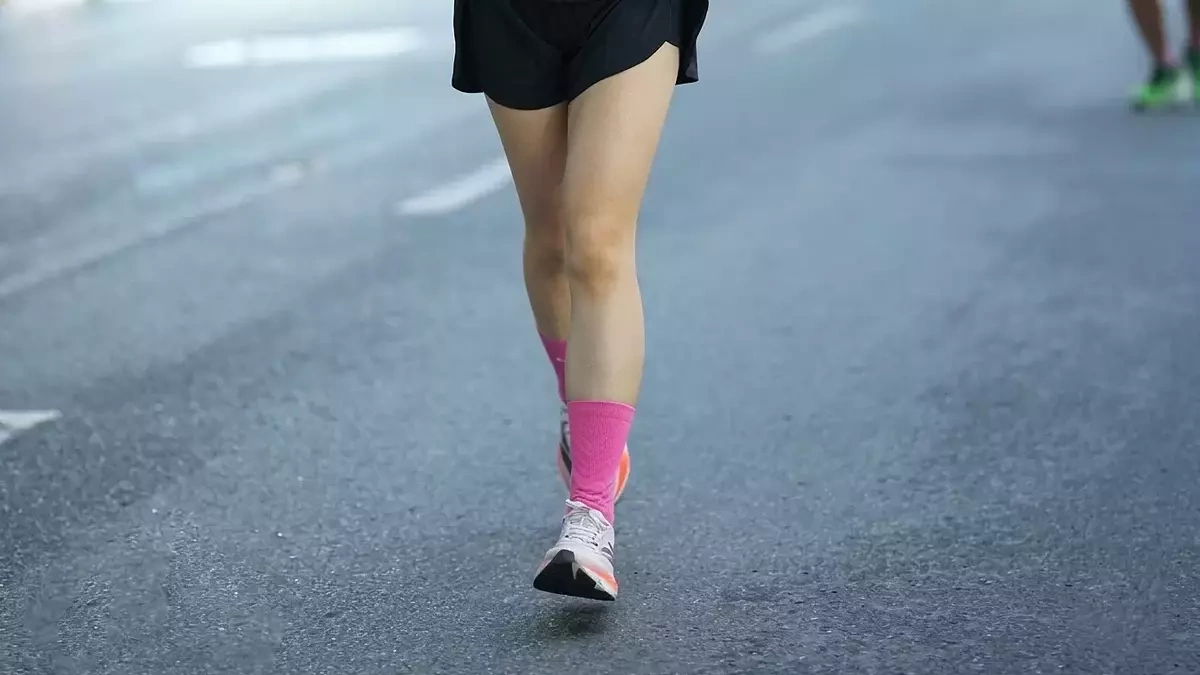
Despite the clear benefits, medical professionals emphasize that retro-walking carries inherent risks, primarily due to the lack of visual feedback regarding the path behind the practitioner. Because the human eye is not positioned to view behind the body, the risk of tripping over obstacles or experiencing a fall is significantly higher than in standard walking.
To mitigate these risks, experts recommend the following safety protocols:
- Environment Selection: Practitioners should choose flat, wide, and clear surfaces—such as an indoor gym track, a clear hallway, or a fenced-in park area—free from debris, curbs, or uneven pavement.
- Speed Management: The exercise should be performed at a slow, controlled pace. The goal is not speed, but consistent, deliberate movement.
- Posture: The spine should remain neutral, and the head should be held in a natural, upright position. Excessive neck twisting or rotating the torso to look back should be avoided, as this can disrupt balance and cause cervical strain.
- Footwear: High-quality, supportive athletic shoes with good grip are essential to minimize the risk of slipping.
Analysis: Broader Impacts on Public Health
The broader implication of integrating retro-walking into daily routines is the shift toward "functional movement." In modern sedentary societies, we move almost exclusively in a forward-linear plane. This repetitive stress can lead to muscle imbalances and joint wear. By introducing backward movement, we encourage a more holistic use of the musculoskeletal system.
For the aging population, the implications are particularly profound. As we age, the risk of falls remains a leading cause of injury and mortality. By training the body to navigate backward, we are effectively training the vestibular system and the stabilizer muscles that prevent falls in real-world scenarios—such as when a person stumbles and needs to regain their center of gravity quickly.
Recommendations for Implementation
For those interested in adopting this practice, the recommendation is a gradual approach. Beginners should start in a safe, controlled environment for only a few minutes, focusing on the sensation of the foot strike and the engagement of the core. If at any point the practitioner experiences dizziness, acute joint pain, or a significant loss of balance, the activity should be stopped immediately.
Individuals with pre-existing conditions, such as chronic knee instability, inner-ear disorders, or severe balance issues, should consult with a physical therapist or healthcare provider before beginning a backward-walking regimen. A professional can assess whether the exercise is appropriate for the individual’s specific health status and can provide tailored guidance on how to incorporate the movement safely.
Conclusion
Ten minutes of backward walking each day serves as a potent, accessible tool for improving physical coordination and joint health. It challenges the brain, strengthens the legs, and provides a refreshing break from the monotony of traditional exercise. While it requires mindfulness and a commitment to safety, the potential for long-term health improvements—particularly in balance and joint longevity—makes it a practice worth considering for individuals of all ages. As research continues to validate these findings, we may see retro-walking transition from an niche athletic drill to a standard recommendation in general fitness and physical rehabilitation protocols globally.