FIFA’s Soundtrack Selection for the 2026 World Cup Sparks Intrigue: A Deep Dive into the Music Choices

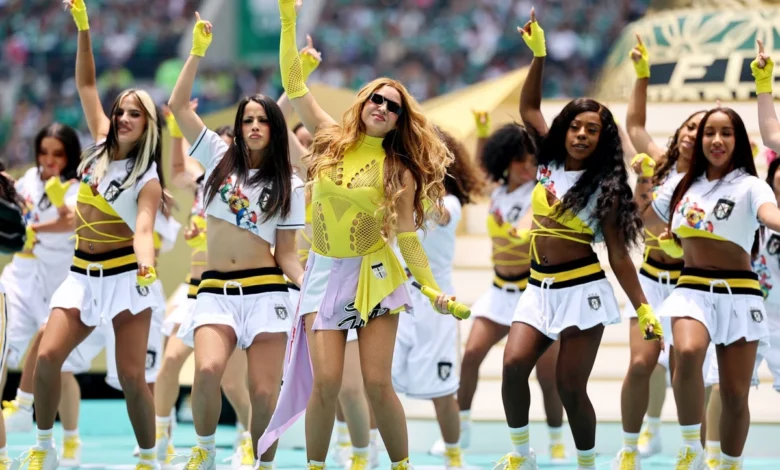
The air surrounding the FIFA World Cup 2026 is thick with anticipation, not just for the thrilling matches and global sporting spectacle, but also for the auditory experience that accompanies it. FIFA’s selection of musical artists and their iconic tracks for pre-match ceremonies has become a focal point of discussion, with recent decisions sparking considerable public interest. The anthem "Sirius" by The Alan Parsons Project, a classic that has resonated with football fans for decades, was notably absent from the initial lineup. Instead, the tournament has featured a dynamic rotation of globally recognized hits, including Shakira and Burna Boy’s "Dai Dai," and the official anthem "DNA," performed by Andrea Bocelli, David Guetta, Megan Thee Stallion, and EJAE. This curated playlist aims to capture the global spirit of the World Cup, but it’s the inclusion of David Guetta’s 2011 hit "Titanium," featuring Sia, that has particularly captured the imagination and raised eyebrows among fans and analysts alike.
The strategic selection of music for a tournament of this magnitude is far from arbitrary. Music plays a crucial role in setting the mood, amplifying the emotional resonance of events, and forging a connection with a diverse, international audience. FIFA’s music strategy for the 2026 World Cup appears to be a deliberate attempt to blend timeless anthems with contemporary chart-toppers, aiming for broad appeal and cultural relevance. This approach seeks to create a memorable sonic backdrop that complements the visual spectacle of the tournament.
A Shifting Musical Landscape: From "Sirius" to "Titanium"
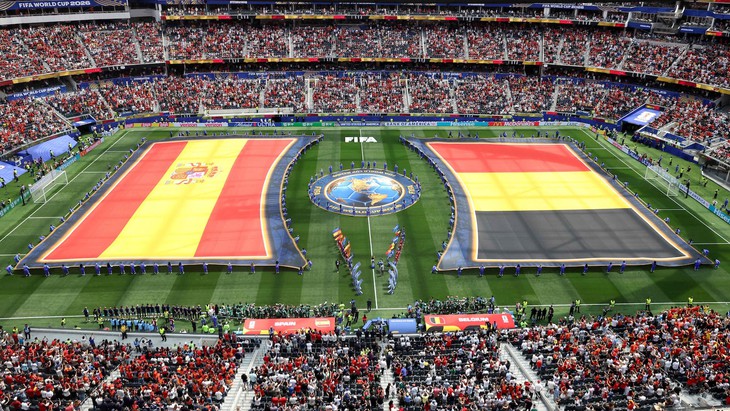
The World Cup’s musical journey has historically been marked by powerful anthems that become synonymous with the tournament. For the opening match of the 2026 World Cup, the familiar strains of "Sirius" by The Alan Parsons Project were replaced. This iconic instrumental piece, often associated with the grandeur of sporting events, has a long-standing connection with football culture, particularly in its use as a prelude to major games. Its omission this year suggests a deliberate shift in FIFA’s musical direction, perhaps leaning towards more vocal-centric and internationally recognized pop music.
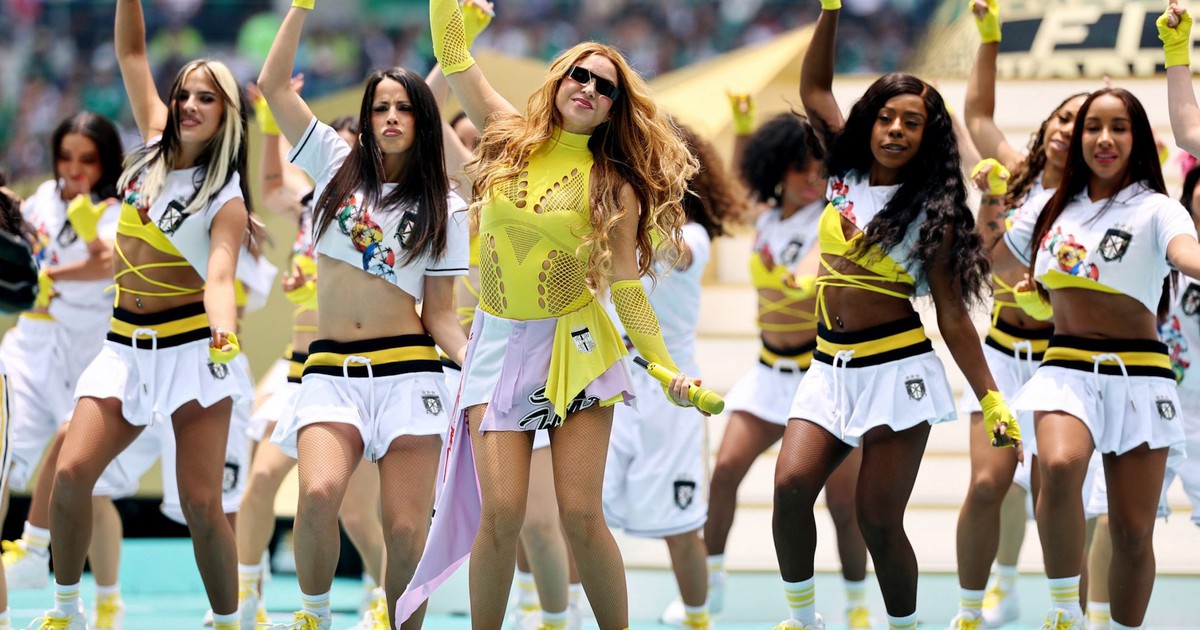
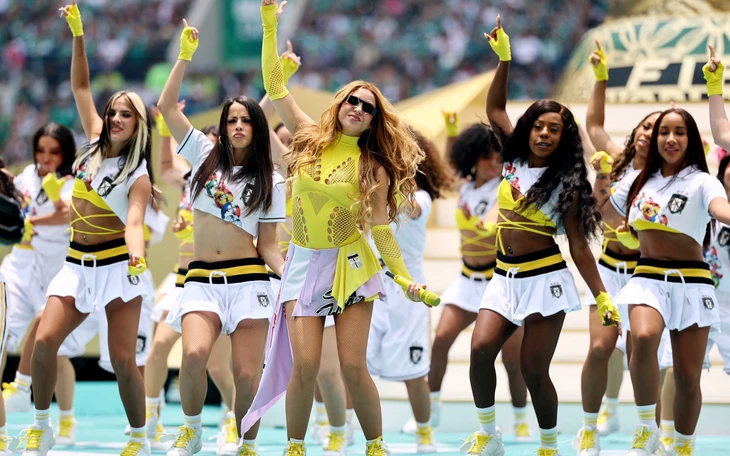
The initial pre-match ceremonies featured "Dai Dai," the collaborative effort between Colombian superstar Shakira and Nigerian artist Burna Boy. This track, intended to energize the crowds, reflects FIFA’s commitment to incorporating contemporary global music trends. Shakira, a seasoned performer at previous World Cups, brings her established star power and experience to the event, while Burna Boy’s inclusion highlights the growing influence of Afrobeats on the global music scene.
However, the real conversation starter has been the deployment of "Titanium," the 2011 collaboration between French DJ David Guetta and Australian singer-songwriter Sia. This track, with its powerful vocals and message of resilience, has been heard echoing across stadiums. "Titanium" was a global phenomenon upon its release, topping charts in numerous countries and becoming a staple on radio airwaves and in workout playlists. Its enduring popularity, peaking at number 7 on the Billboard Hot 100 in July 2012, nearly a year after its release, speaks to its broad appeal and motivational themes. The song’s triumphant chorus and empowering lyrics, often interpreted as a metaphor for overcoming adversity and finding inner strength, seem to align with the spirit of athletic competition.
The Rationale Behind "Titanium": A Deeper Analysis
The choice of "Titanium" for a major sporting event like the World Cup, especially after a 15-year gap since its release, naturally prompts questions about FIFA’s underlying strategy. Several factors likely contributed to this selection.
Firstly, "Titanium" possesses a universal theme of resilience and strength. In the context of a World Cup, where athletes push their physical and mental limits, lyrics like "I’m titanium, you could plant me in the ground and I will grow" can serve as a powerful motivational message for both players and spectators. It speaks to the unyielding spirit required to compete at the highest level and the ability to bounce back from setbacks.
Secondly, the song’s enduring popularity and global recognition are undeniable assets. David Guetta is one of the world’s most successful DJs, with a massive international following. Sia, despite often performing with her face obscured, is a globally renowned vocalist and songwriter. This pairing ensures immediate recognition and appeal across diverse cultural backgrounds, a critical factor for FIFA’s global audience. The track’s consistent presence on playlists and its association with themes of overcoming challenges likely made it a compelling candidate for fostering a sense of unity and shared emotional experience.
Thirdly, the track’s sonic qualities are well-suited for stadium environments. The build-up, the powerful drop, and the anthemic chorus are designed to create a significant impact, resonating with large crowds and enhancing the pre-match atmosphere. The song’s ability to evoke strong emotions and create a sense of shared exhilaration makes it an effective tool for engaging fans before kickoff.
Contextualizing FIFA’s Musical Choices: A Trend of Strategic Partnerships
FIFA’s engagement with prominent musical artists is not a new phenomenon. The organization has a history of collaborating with global music stars to enhance the World Cup experience. From the iconic "Waka Waka (This Time for Africa)" by Shakira for the 2010 South Africa World Cup to the more recent "Spirit of the Game" by various artists for earlier editions, music has consistently been an integral part of the tournament’s identity.
The 2026 World Cup, hosted across North America (United States, Canada, and Mexico), presents a unique opportunity to blend different musical influences. The inclusion of artists like Shakira, Burna Boy, and the collaborators on "DNA" reflects a conscious effort to represent a wide spectrum of musical genres and global talent. The choice of "Titanium" could be seen as part of this broader strategy to leverage established, universally loved tracks that carry positive and empowering messages.
While FIFA has not officially commented on the specific rationale behind choosing "Titanium" over other potential contemporary hits, their past actions suggest a preference for songs that have demonstrated longevity and a strong emotional connection with audiences worldwide. The song’s message of resilience is particularly relevant in the current global climate, where overcoming challenges is a shared human experience.
The Broader Impact and Fan Reactions
The selection of music for a global event like the World Cup invariably generates diverse reactions from fans. While many appreciate the energy and familiarity of popular tracks, others may long for the more traditional anthems that defined past tournaments. The inclusion of "Titanium" has likely resonated positively with a significant portion of the fanbase, given its widespread appeal and uplifting message. However, discussions are also ongoing about how this choice might shape the overall perception of the 2026 World Cup’s musical identity.
The implications of these musical choices extend beyond mere entertainment. They contribute to the narrative and atmosphere of the tournament, influencing how fans remember the event for years to come. By selecting songs that evoke feelings of strength, unity, and triumph, FIFA aims to create an emotional legacy that mirrors the sporting drama unfolding on the pitch.
As the World Cup progresses, it will be interesting to observe if "Titanium" becomes an enduring symbol of the 2026 tournament, much like "Waka Waka" or "We Are the Champions." The strategic integration of music into the sporting spectacle continues to evolve, reflecting shifts in global music trends and FIFA’s ongoing efforts to connect with an ever-expanding fan base. The dialogue surrounding these musical selections underscores the powerful, often unspoken, role that music plays in shaping our collective memories of major global events.