In an era characterized by rapid urbanization, economic volatility, and the relentless pace of digital connectivity, psychological stress has transitioned from an occasional nuisance to a pervasive public health challenge. Master of Psychology Hoang Quoc Lan, currently practicing at Phuong Dong General Hospital, emphasizes that the pressures stemming from professional responsibilities, financial instability, and domestic conflicts trigger a complex physiological cascade within the human body. When an individual encounters a stressor, the brain’s hypothalamus signals the adrenal glands to release a surge of hormones, most notably cortisol and adrenaline. While these hormones are essential for the primal "fight or flight" response, their chronic accumulation without adequate release mechanisms can lead to devastating consequences for both physical health and mental equilibrium.
The Physiological Architecture of Stress and Anger
The human nervous system is designed to handle acute stress—short bursts of energy required to escape immediate danger. However, modern stressors are rarely acute; they are often chronic and psychological. According to Master Hoang Quoc Lan, the continuous release of cortisol and adrenaline creates a state of hyper-vigilance. Physically, the body is forced into an overwork state to counteract these perceived negative stimuli. This prolonged state of arousal manifests in a variety of debilitating symptoms. Individuals frequently report chronic muscle tension, particularly in the neck and shoulders, which can escalate into tension-type headaches or debilitating migraines.
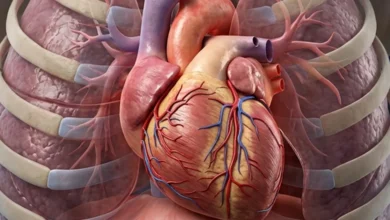
Furthermore, the gastrointestinal system, often referred to as the "second brain," is highly sensitive to stress hormones. This can result in irritable bowel syndrome (IBS), acid reflux, or general digestive distress. Perhaps most critically, the cardiovascular system bears a significant burden, as elevated adrenaline levels increase heart rate and blood pressure, potentially leading to long-term heart disease if left unmanaged. Sleep disturbances, characterized by difficulty falling asleep or frequent nocturnal awakenings, further exacerbate the cycle, as the brain remains unable to enter the restorative phases of the sleep cycle.
Immediate Somatic Techniques for Nervous System Regulation
To combat the immediate onset of intense stress or anger, Master Hoang Quoc Lan suggests a series of "micro-interventions" designed to bypass the cognitive brain and speak directly to the autonomic nervous system. These techniques are grounded in somatic experiencing, a therapeutic approach that focuses on the body’s internal sensations to resolve trauma and stress.
1. Controlled Exhalation and the 4-8 Method
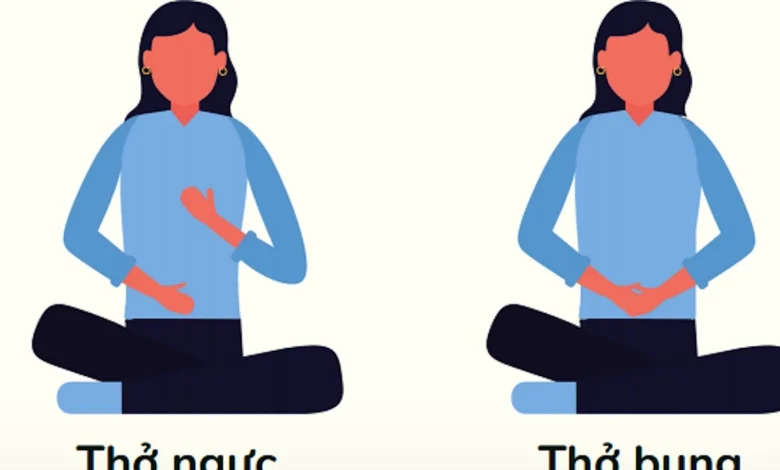
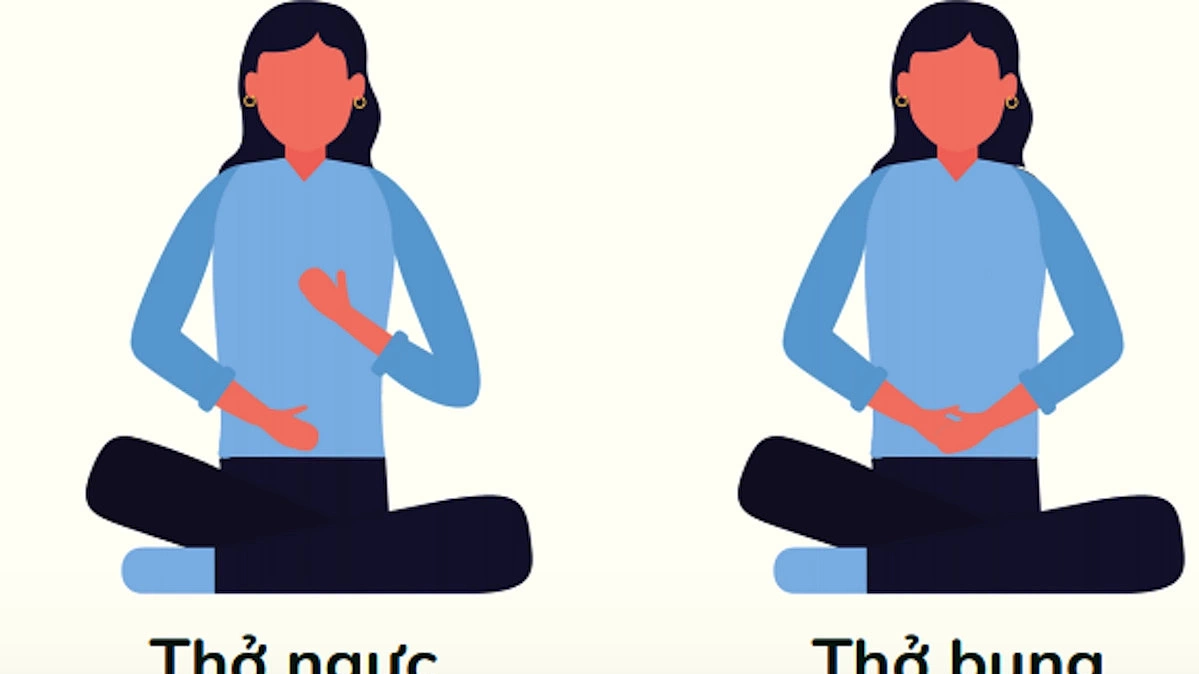
One of the most effective ways to signal safety to the brain is through the breath. Master Lan recommends a specific ratio: inhaling for 4 seconds and exhaling for 6 to 8 seconds. This cycle should be repeated 6 to 10 times. The physiological reasoning behind this is the stimulation of the parasympathetic nervous system. While inhalation is associated with the sympathetic (active) nervous system, a long, slow exhalation activates the vagus nerve, which acts as a "brake" on the heart rate and blood pressure, effectively resetting the nervous system in real-time.
2. The Jaw-Tongue-Shoulder Release
During moments of anger, the body instinctively prepares for a physical confrontation by clenching the jaw and shrugging the shoulders. To counteract this, one should consciously open the mouth slightly, allow the tongue to drop away from the roof of the mouth, and let the shoulders fall away from the ears. Holding this relaxed posture for 30 to 60 seconds provides a powerful feedback loop to the brain, suggesting that the "threat" has passed.
3. Grounding Through Foot Pressure
In moments of emotional "flooding," individuals often feel detached or "in their heads." Master Lan advises pressing both feet firmly into the ground, shifting the body’s weight and focus downward. Holding this pressure for 10 to 15 seconds before releasing, and repeating the process three times, helps re-establish a sense of physical presence and stability.
4. Somatic Wall Pushing
For those experiencing high-arousal anger, a physical outlet is often necessary. Standing against a wall and pushing with maximum effort for 10 seconds, followed by a total release of tension, can "trick" the sympathetic nervous system. This action mimics the "fight" part of the fight-or-flight response, allowing the body to complete the stress cycle and discharge trapped energy.
The Science of Sound and Temperature in Stress Management
Beyond physical movement and breathing, the sensory system offers unique pathways for emotional regulation. Master Hoang Quoc Lan introduces several advanced techniques that leverage the body’s innate biological responses to external stimuli.
The "Vooooo" Sound and Vagus Nerve Stimulation
Vocalizing a deep, resonant "Vooooo" sound for 30 consecutive seconds can have a profound calming effect. This low-frequency vibration originates in the abdomen and travels upward, physically vibrating the vagus nerve. This is akin to an internal massage for the nervous system, facilitating a transition from a state of agitation to one of calm.
Thermal Regulation and the Mammalian Dive Reflex
The nervous system often struggles to distinguish between a physical threat (like a predator) and a psychological threat (like a difficult email). Changing the body’s temperature can provide a "system reboot." Master Lan suggests a contrast method: touching something cold (like an ice cube) and then something warm. Repeating this three times alerts the brain to a change in the environment, forcing it to prioritize sensory processing over ruminative stressful thoughts.
Box Breathing with Visualization
The "Box Breathing" technique—inhaling for 4 seconds, holding for 4, and exhaling for 4—is enhanced by visualization. Master Lan suggests imagining drawing the four sides of a square with each breath. This engages the visual cortex and requires a level of concentration that displaces the "brain fog" often associated with high stress, allowing for better problem-solving and cognitive clarity.
The Cognitive and Social Toll of Unmanaged Stress
When stress becomes chronic, it does more than just damage the body; it impairs the brain’s executive functions. Master Lan points out that under high stress, the brain allocates its limited energy to survival mechanisms, leaving very little for high-level tasks such as planning, logical reasoning, and concentration. This leads to a phenomenon known as "brain fog" and a significant decline in memory retention.
Socially, the implications are equally grave. Research indicates that couples experiencing chronic stress are more likely to engage in frequent arguments and express dissatisfaction with their partners. Over time, the inability to regulate emotions can lead to social withdrawal. Individuals may begin to isolate themselves, avoiding family gatherings or social events, which further compounds the problem by removing the support networks necessary for recovery.
Global Context and the Need for Professional Support
The insights provided by Master Hoang Quoc Lan reflect a growing global awareness of mental health. According to the World Health Organization (WHO), stress-related disorders are a leading cause of disability worldwide. In the workplace, "burnout" has been officially recognized as an occupational phenomenon, characterized by feelings of energy depletion and increased mental distance from one’s job.
While the techniques mentioned above are highly effective for immediate relief, they are not a substitute for long-term lifestyle changes or professional medical intervention. Master Lan emphasizes that stress is a natural part of life and is not always harmful—in small doses, it can even be a motivator. However, the key is early recognition and proactive management.
When to Seek Help
The medical community generally recommends seeking professional psychological or psychiatric help if:
- Stress or anxiety persists for several weeks without improvement.
- Emotional states significantly interfere with work performance or personal relationships.
- Physical symptoms, such as insomnia or digestive issues, become chronic.
- There is a persistent feeling of hopelessness or a loss of interest in previously enjoyed activities.
Building a Resilient Future
In conclusion, the management of stress and anger requires a multi-faceted approach. Beyond immediate somatic techniques, Master Hoang Quoc Lan advocates for a foundation of healthy living: ensuring adequate sleep, maintaining a balanced diet, engaging in regular physical activity, and nurturing supportive social connections. These habits build "psychological resilience," increasing an individual’s capacity to withstand the inevitable pressures of modern life.
By integrating these quick-relief tips with long-term wellness strategies, individuals can reclaim control over their emotional lives. The goal is not to eliminate stress entirely—an impossible task in the modern world—but to develop the tools necessary to navigate it without sacrificing physical health or mental peace. As Master Lan notes, the power to reset the nervous system is literally within our own bodies; we simply need to learn how to activate it.