Vietnamese Corporate Earnings Reveal Sharp Polarization in First Half of 2026 as Global Economic Pressures Persist

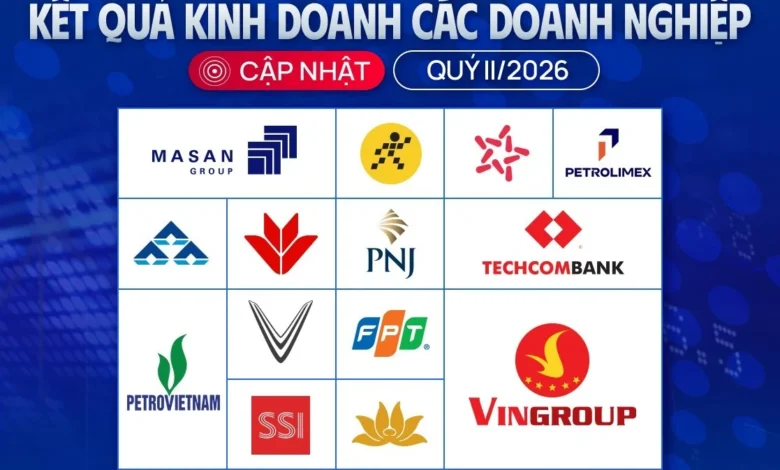
The financial landscape for Vietnamese enterprises in the first half of 2026 has emerged as a study in stark contrasts, according to the latest batch of second-quarter (Q2) and semi-annual financial reports. As of late July 2026, the corporate sector is displaying a profound "polarization," a term increasingly used by market analysts to describe the widening gap between industry leaders who have successfully navigated post-pandemic structural shifts and those struggling under the weight of rising operational costs and cooling consumer demand. While several sectors have reported robust double-digit growth, a significant number of large-scale enterprises are grappling with profit declines exceeding 50%, with some even sliding into deficit territory.
The Landscape of Divergence: Winners and Losers in H1 2026
The disclosure of financial statements for the period ending June 30, 2026, provides a comprehensive look at the health of the Vietnamese economy. The data suggests that the "easy growth" era has concluded, replaced by a period where efficiency, digital integration, and debt management dictate success. According to aggregated data from the Hanoi and Ho Chi Minh City stock exchanges, approximately 55% of listed firms reported profit growth compared to the same period in 2025, while the remaining 45% saw stagnating or sharply declining bottom lines.
The most successful entities in H1 2026 are concentrated in the technology, renewable energy, and export-oriented manufacturing sectors. These industries have benefited from a stabilized global supply chain and a resurgence in demand from key trading partners in the European Union and North America. Conversely, the "losers" of this period are predominantly found in the traditional retail, heavy construction, and real estate sectors, where high interest rates—though stabilizing—continue to dampen investment and consumer spending.
A Chronology of the H1 2026 Earnings Season
The reporting season reached its peak in the third week of July. On July 22, 2026, a wave of disclosures from major corporations sent ripples through the market. This date marked a turning point in investor sentiment, as several "blue-chip" companies revealed that their Q2 earnings had failed to meet even the most conservative analyst estimates.
The timeline of this earnings cycle began in early July with preliminary "estimated" (ước tính) figures from state-owned enterprises and major banks. These early indicators suggested a resilient financial sector, buoyed by credit growth and improved net interest margins. However, as the month progressed and mid-sized manufacturing and retail firms began releasing their audited reports, the narrative shifted toward one of caution. The July 22nd disclosures specifically highlighted the vulnerability of large-scale enterprises to fluctuating input costs and logistics bottlenecks, which persisted despite expectations of a smoother global trade environment.
Sector-Specific Performance: Analyzing the Divide
The Resilience of Technology and Digital Services
Leading the pack in H1 2026 were technology firms that have pivoted toward Artificial Intelligence (AI) integration and cloud computing services. Several major Vietnamese tech conglomerates reported revenue increases of 25-30%. These firms have capitalized on the national digital transformation agenda, securing large-scale government and private sector contracts. Their high-margin service models have shielded them from the inflationary pressures affecting physical goods.
Manufacturing and Exports: A Tale of Two Realities
The manufacturing sector presented a mixed bag. Electronics and semiconductor assembly plants reported record-breaking quarters, driven by the global tech cycle. However, traditional manufacturing—such as textiles, garments, and footwear—faced a different reality. While order volumes returned to 90% of pre-crisis levels, the profit margins were squeezed by a 15% year-on-year increase in raw material costs and a significant rise in electricity prices that took effect in early 2026.
Real Estate and Construction: The Long Winter
The real estate sector remains the most significant drag on the overall corporate earnings index. Despite government efforts to untangle legal bottlenecks, many developers reported H1 profits that were 60-70% lower than their 2024-2025 averages. The primary culprit remains a lack of liquidity in the high-end segment and the burden of high-interest corporate bonds that reached maturity in the first half of the year. Construction firms, closely tied to real estate development, also reported narrowed margins as project starts remained sluggish.
The "50% Profit Drop" Phenomenon: Why Large Firms Stumbled
The most alarming aspect of the July 22nd updates was the number of large-scale enterprises reporting profit contractions of 50% or more. Analysis of these filings reveals three primary drivers:
- Surging Input and Logistics Costs: Global shipping rates saw a localized spike in Q2 2026 due to regional maritime tensions, impacting firms that rely heavily on imported components.
- Financial Expense Burdens: Large corporations with high debt-to-equity ratios found that the cost of servicing loans remained elevated. Even as the central bank maintained a neutral stance, the "risk premium" demanded by commercial lenders for large industrial projects increased.
- Cooling Domestic Consumption: The Vietnamese consumer has become increasingly price-sensitive. Retailers who failed to adjust their pricing strategies or inventory management saw a rapid erosion of their net profits.
Official Responses and Expert Reactions
Economic analysts have been quick to weigh in on the H1 results. Dr. Nguyen Van Nam, a senior economist at a leading Hanoi-based research institute, noted that the polarization is a sign of a "maturing market."
"We are seeing a Darwinian shift in the corporate landscape," Dr. Nam stated. "The companies that invested in automation and reduced their reliance on cheap labor or high leverage are thriving. The ones reporting 50% profit drops are often those that have been slow to modernize or are over-extended in non-core business areas."
Representatives from the Ministry of Industry and Trade (MoIT) have also commented on the situation, emphasizing that the government is monitoring the "unfavorable business activities" mentioned in many corporate reports. The Ministry has signaled that further support for trade promotion and energy subsidies for key manufacturing hubs may be considered in H3 2026 to prevent a broader industrial slowdown.
Market Sentiment and Investor Implications
The stock market’s reaction to the H1 reports has been volatile. Investors have begun rotating capital out of "value" stocks in the real estate and retail sectors and into "growth" stocks within the tech and energy industries. The polarization in earnings has led to a similar polarization in stock valuations.
Institutional investors are reportedly scrutinizing the "Cash Flow from Operations" section of financial statements more than the "Net Profit" line. There is a growing concern that some firms are using accounting maneuvers to hide the full extent of their operational struggles, particularly regarding bad debt provisions and inventory devaluations.
Broader Impact and Economic Implications
The divergence in corporate performance has broader implications for the Vietnamese economy in the second half of 2026. If the profit slump in large-scale enterprises continues, it could lead to:
- Labor Market Stagnation: Firms facing 50% profit losses are unlikely to engage in significant hiring and may resort to wage freezes or layoffs, impacting overall consumer spending power.
- Reduced Tax Revenue: The decline in corporate profitability will inevitably affect state budget collections, potentially limiting the government’s capacity for infrastructure spending in late 2026.
- Credit Risk Concerns: Banks may become more cautious in lending to sectors showing "negative growth," creating a credit crunch for struggling but viable businesses.
Conclusion: Navigating an Uncertain H2 2026
As Vietnam moves into the second half of 2026, the corporate sector stands at a crossroads. The H1 results have served as a wake-up call, highlighting that the path to recovery is not uniform. Success in the current environment requires more than just market presence; it demands operational agility, prudent financial management, and an ability to navigate a global economy that remains unpredictable.
While the "positive growth" reported by some entities offers hope, the "unfavorable conditions" cited by the majority of the underperformers suggest that the road ahead remains challenging. Investors and policymakers alike will be watching the Q3 preliminary data closely to see if the polarized gap begins to close or if the divide between the "thriving" and the "struggling" becomes a permanent fixture of the 2026 economic narrative. For now, the mantra for Vietnamese businesses remains clear: adapt or face the continued erosion of the bottom line.