The Ministry of Natural Resources and Environment has officially proposed the inclusion of a robust regulatory framework designed to adjust land rent differentials and impose high tax rates on idle land and short-term real estate transactions. This initiative is a cornerstone of the draft submission for the amended Land Law and the comprehensive report summarizing the implementation of the Land Law of 2024. According to the Ministry, the domestic real estate market remains fraught with instability, characterized by rampant speculation, artificial land fevers, and price surges that bear little correlation to the actual economic value of the property. These fluctuations have created significant macroeconomic challenges, complicating the construction sector and hindering the effective execution of national land policies.
To address these systemic issues, the Ministry argues that refining land valuation mechanisms is insufficient on its own. Instead, the government requires more potent regulatory tools to maintain market equilibrium. The proposed financial policies aim to capture the "surplus value" or land rent differentials generated during real estate business activities. Specifically, the Ministry recommends a high tax regime for land that is left abandoned or underutilized, as well as for properties bought and sold within a short timeframe. The primary objectives are to enhance land-use efficiency, combat waste, stabilize the property market, and curb the speculative behavior that has historically marginalized genuine home seekers.
A Strategic Shift in Land Management Policy
The Ministry of Natural Resources and Environment’s report emphasizes that the mechanisms for regulating land rent differentials and taxing speculative behavior are "novel contents not yet defined in the Law on Tax Administration." Consequently, to ensure the feasibility of these measures, the Ministry has called for a synchronized research effort to amend and supplement the Law on Tax Administration and other relevant tax statutes. This would involve clarifying the basis for tax calculations, identifying the specific groups subject to regulation, and establishing a sophisticated data-sharing mechanism between tax authorities and land management agencies.
The timing of this proposal is critical. The draft of the amended Land Law is currently undergoing an extensive consultation process, with the deadline for feedback set for August 10. This legislative overhaul is occurring in tandem with revisions to other influential laws, including the Law on Housing and the Law on Real Estate Business, all of which directly impact the trajectory of the property market. Within the draft Law on Real Estate Business, the Ministry of Construction has also identified taxation as a vital instrument for state regulation of the market. However, there is ongoing inter-ministerial debate; while the Ministry of Construction views tax as a necessary regulatory clause within its jurisdiction, the Ministry of Finance has suggested removing specific "tax" provisions from the real estate law to maintain a unified tax code under the Law on Tax Administration.
The Chronology of Real Estate Tax Proposals
The push for taxing idle land and speculative transactions is not a new phenomenon in Vietnam, but it has gained unprecedented momentum in 2024. For years, National Assembly delegates, economic experts, and international organizations have urged the government to implement a property tax system that penalizes inefficiency.
- Late 2023: The Government issued a directive requiring relevant ministries to research taxation on "wasteful" land use and projects with delayed implementation. This was in response to thousands of hectares of "suspended projects" in major urban centers like Hanoi and Ho Chi Minh City.
- Early 2024: The Land Law 2024 was passed, providing a foundational shift toward market-based land pricing, yet it left specific tax-based cooling mechanisms for further specialized legislation.
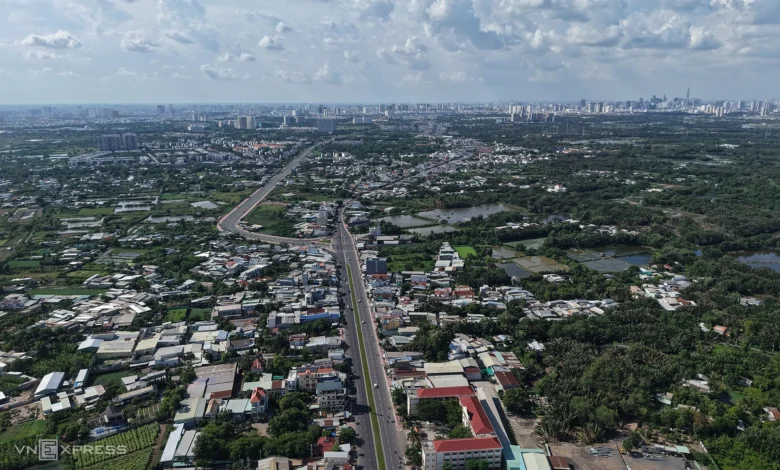
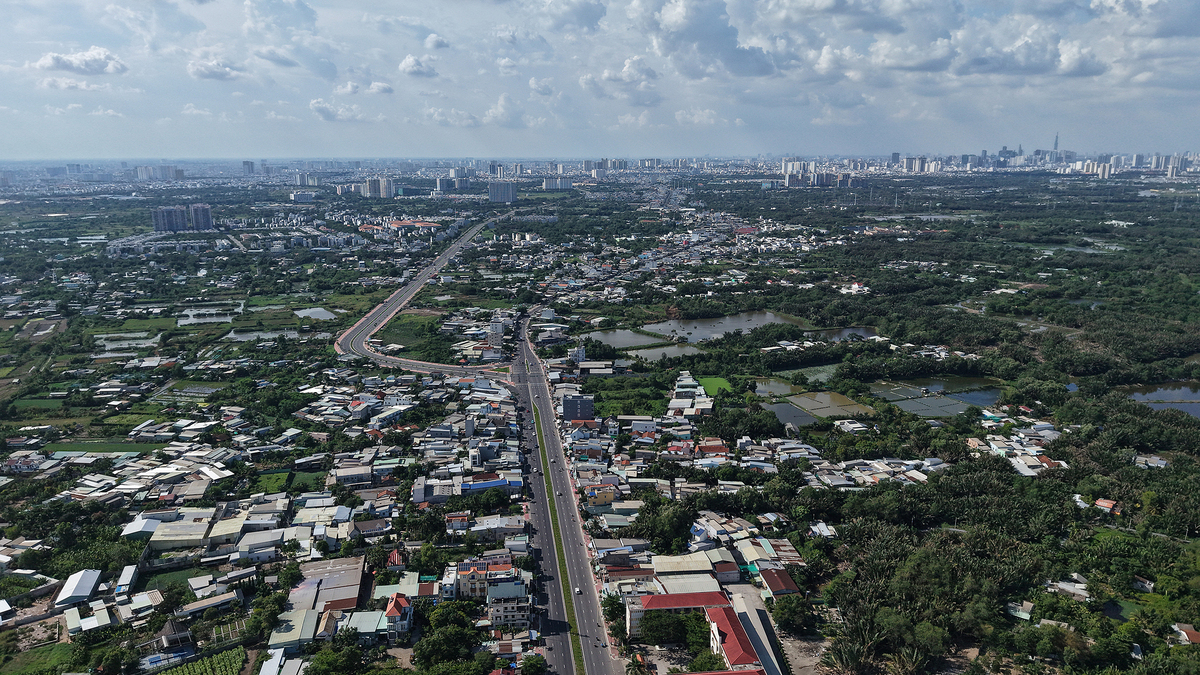
- May 2026 (Contextual Reference): Reports from Ho Chi Minh City’s western districts, such as Binh Chanh, indicated that despite market fluctuations, land prices remained stubbornly high due to "holding" patterns by investors, further justifying the Ministry’s current proposal.
- August 2024: The current proposal by the Ministry of Natural Resources and Environment marks the most formal and detailed legislative attempt to integrate these taxes into the national legal framework.
Supporting Data and the Market Reality
The necessity for these taxes is underscored by the widening gap between income levels and property prices. In major cities, the price-to-income ratio has reached levels that make housing unaffordable for the vast majority of the middle class. Speculation is a primary driver; data from market research firms suggests that in certain "hot" segments, up to 70% of transactions are purely speculative, with properties changing hands multiple times without any actual improvement or occupancy.
Furthermore, the issue of "land rent" or "surplus value" has long been a point of contention. When the State invests in infrastructure—such as a new highway, metro line, or bridge—the value of adjacent land skyrockets. Currently, much of this increased value is captured by private landowners and speculators rather than being reinvested into public coffers. The Ministry’s proposal to regulate "land rent differentials" aims to ensure that a fair portion of this windfall is returned to the State to fund further development.
Regarding idle land, the Ministry’s findings indicate that "land hoarding" significantly restricts the supply of available housing. Developers often acquire large tracts of land and wait for prices to rise rather than proceeding with construction. By imposing a high tax on abandoned land, the State would create a financial burden that incentivizes owners to either develop the land or sell it to those who will, thereby increasing market supply and potentially lowering prices.
Official Responses and Stakeholder Perspectives
The Ministry of Construction has voiced strong support for the proposal, maintaining that the State must have "sufficient tools to regulate the real estate market when necessary." They argue that tax policy is the most transparent and effective way to influence investor behavior without resorting to heavy-handed administrative bans.
Conversely, the Ministry of Finance has expressed caution regarding the placement of these regulations. Their primary concern is maintaining the integrity of the tax system. They advocate for these measures to be consolidated within the Law on Tax Administration to avoid legal overlaps and contradictions.
From the perspective of National Assembly delegates, there is a growing consensus that "land fever" is a threat to social stability. Many delegates have argued that the current 2% personal income tax on real estate transfers is insufficient to deter flippers. They suggest a sliding scale: for example, a 10-15% tax if a property is sold within one year of purchase, decreasing gradually the longer the property is held. This model, similar to those used in Singapore and South Korea, is seen as a proven method for stabilizing volatile markets.
Broader Economic Impact and Implications
The implementation of high taxes on idle land and short-term transactions would mark a transformative shift in Vietnam’s economic landscape. The implications are multi-faceted:
1. Market Stabilization and Transparency
By discouraging short-term flipping, the market would likely see a reduction in "artificial demand." This would lead to more stable price growth based on actual utility and economic fundamentals rather than speculative hype. It would also encourage more transparent transaction reporting, as the current practice of under-declaring sale prices to avoid tax would become riskier under a more rigorous monitoring regime.
2. Optimization of Land Resources
A tax on idle land would act as a "productivity catalyst." It would discourage the practice of "holding land and leaving it to grass," which currently wastes prime urban real estate. This could lead to a surge in project commencements, helping to alleviate the chronic housing shortage in cities like Hanoi and Ho Chi Minh City.
3. Revenue Generation for Public Infrastructure
The regulation of land rent differentials provides a sustainable revenue stream for the government. As Vietnam continues its ambitious infrastructure rollout, capturing the surplus value of land affected by these projects can provide the necessary capital for future urban expansion, creating a self-sustaining cycle of development.
4. Challenges in Implementation
Despite the benefits, the Ministry acknowledges significant hurdles. The most pressing is the need for a comprehensive, digitized land database. Without accurate records of land ownership, usage status, and transaction history, enforcing a tax on "idle land" or "short-term sales" would be difficult. There is also the risk that developers might pass the cost of these taxes onto the end consumers, potentially raising housing prices in the short term.
Conclusion and Future Outlook
The proposal by the Ministry of Natural Resources and Environment represents a bold step toward a more mature and regulated real estate market. By targeting the root causes of instability—speculation and waste—the government aims to ensure that land remains a productive asset that benefits society as a whole. As the consultation period for the amended Land Law concludes, the focus will shift to the technical details of tax calculation and the inter-ministerial coordination required to turn these proposals into enforceable law. For investors and citizens alike, these changes signal the end of the era of easy gains from land speculation and the beginning of a more disciplined, value-driven property market.