HCMC Woman with Type 2 Diabetes Hospitalized in Critical Condition After Month-Long Fruit Juice Detox Regimen


The medical community in Ho Chi Minh City has issued a stern warning regarding the dangers of unconventional dietary "detox" trends following the emergency hospitalization of a 64-year-old woman at Nhan Dan 115 Hospital. The patient, identified as Ms. N.T.T.T., who has a long-standing history of Type 2 diabetes, was admitted in a state of life-threatening metabolic crisis after she replaced her entire daily water intake with fresh fruit juice for 30 consecutive days. Driven by a widespread but scientifically flawed belief that a high-volume fruit juice regimen would "purify" her body and provide a concentrated boost of vitamins, the patient’s health instead spiraled into a near-fatal collapse, highlighting the critical importance of specialized nutritional management for individuals with chronic endocrine disorders.
According to the medical report from the Department of Endocrinology at Nhan Dan 115 Hospital, Ms. T. arrived at the emergency department experiencing severe fatigue, lethargy, and persistent, uncontrollable vomiting. Clinical examinations and immediate laboratory tests revealed a catastrophic failure in blood glucose regulation. Her venous blood sugar level was measured at nearly 1,000 mg/dL, a figure approximately ten times higher than the upper limit of a healthy fasting range. Furthermore, her HbA1c level—a metric indicating average blood sugar levels over the previous three months—was recorded at 14.5%, nearly triple the target threshold for diabetic patients. These figures provided a "speaking" diagnostic profile of a patient whose system had been overwhelmed by a massive, sustained influx of sugar over several weeks.
The Chronology of a Wellness Myth
The incident began approximately one month prior to hospitalization when Ms. T. decided to embark on a self-prescribed health journey. Believing in the popular narrative that fruit juices serve as a "natural" way to flush toxins from the liver and kidneys while replenishing the body with essential nutrients, she began consuming between 1.5 and 2 liters of fresh juice every day. Her selection included a variety of high-sugar fruits and vegetables, including oranges, watermelons, grapefruits, and carrots. Critically, she viewed these juices not as a supplement to her diet, but as a total replacement for filtered water.

For the first few weeks, the patient reportedly felt she was doing something beneficial for her health. However, by the fourth week, the physiological toll of the massive fructose and glucose load began to manifest. The symptoms of Type 2 diabetes, which she had previously managed with medication, were exacerbated to an extreme degree. What started as mild thirst and increased urination quickly evolved into severe dehydration, electrolyte imbalances, and metabolic acidosis. By the time she sought medical help, her body had entered a state of dual acute complications: Diabetic Ketoacidosis (DKA) and Hyperosmolar Hyperglycemic State (HHS).
Understanding the Clinical Complications: DKA and HHS
The simultaneous occurrence of Diabetic Ketoacidosis and Hyperosmolar Hyperglycemic State is a rare but exceptionally dangerous medical emergency. DKA occurs when the body lacks enough insulin to process blood sugar, leading it to break down fat for fuel instead. This process produces an accumulation of acids in the bloodstream called ketones. If left untreated, the blood becomes too acidic, leading to organ failure or coma.
HHS, on the other hand, is characterized by extreme hyperglycemia (high blood sugar) without significant ketoacidosis, but with profound dehydration and high serum osmolality. In Ms. T.’s case, the 1,000 mg/dL blood sugar reading indicated that her blood had become thick and syrupy, drawing water out of her organs and brain cells to compensate for the high sugar concentration. The combination of these two states meant that Ms. T. was facing a mortality risk exceeding 50% upon admission.
Medical professionals at Nhan Dan 115 Hospital acted immediately to stabilize the patient. The treatment protocol involved aggressive intravenous fluid resuscitation to combat the profound dehydration, the administration of a continuous insulin drip to slowly lower blood sugar levels without causing cerebral edema, and the careful correction of potassium and other electrolyte imbalances. After five days of intensive care and monitoring by the endocrinology team, Ms. T.’s condition improved significantly. Her blood sugar stabilized, her thirst subsided, and she was eventually able to resume oral nutrition under strict dietary supervision.

The Science of Fruit Juice: Why "Natural" Isn’t Always Safe
MSc. Mai Trong Tri, a specialist at Nhan Dan 115 Hospital, provided an in-depth analysis of why the patient’s "detox" was so destructive. He noted that during the hot season, many people turn to fruit juices, sugarcane juice, or herbal "cooling" drinks to quench their thirst and detoxify. However, for those with diabetes, this habit is akin to "adding fuel to the fire."
The primary issue lies in the structural difference between whole fruit and fruit juice. When a fruit is juiced, the essential dietary fiber is largely removed. Fiber plays a crucial role in slowing down the absorption of sugar into the bloodstream. Without this "brake" mechanism, the natural sugars in fruit—specifically fructose and glucose—become "free sugars" that are absorbed almost instantly by the small intestine. This causes a rapid and massive spike in blood glucose levels, which a diabetic pancreas or existing medication regimen cannot handle.
Furthermore, the sheer volume of fruit required to produce two liters of juice is far beyond what a person would typically eat in whole form. For instance, one liter of orange juice might require 10 to 12 oranges. While a person might eat one or two oranges and feel full due to the fiber and bulk, they can easily consume the liquid sugar of a dozen oranges in a single sitting, unknowingly loading their body with an overwhelming amount of carbohydrates and calories.
The Rise of the "Detox" Trend and Public Misconception
This case serves as a poignant example of the "wellness gap"—the space between popular health trends and clinical reality. In Vietnam and many other parts of the world, the term "detox" has been commercialized and simplified to suggest that liquid diets can solve complex health issues. For the general population, a short-term juice fast might cause temporary fluctuations in energy; for a diabetic, it can be a death sentence.
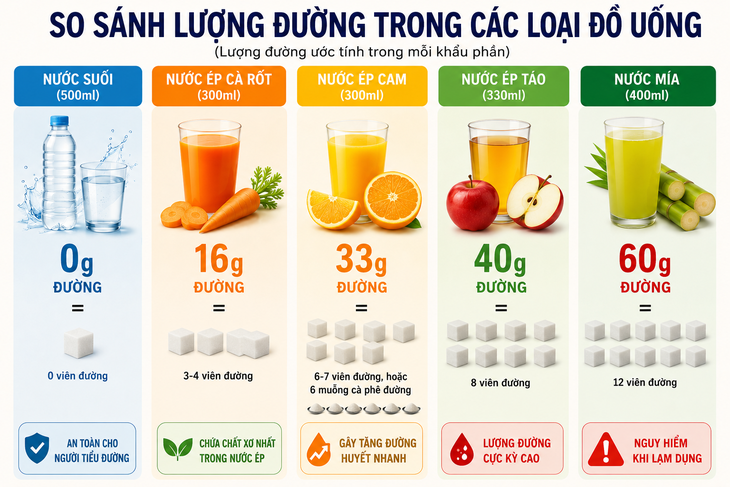
Public health experts suggest that the lack of rigorous nutritional education for chronic disease patients contributes to these incidents. Many patients believe that because fruit is "natural" and "healthy," it can be consumed in unlimited quantities. They fail to distinguish between the complex carbohydrates found in whole plants and the simple sugars found in processed or extracted liquids. There is also a cultural element where "vitamins" are viewed as a panacea, leading patients to prioritize vitamin intake over the fundamental necessity of glycemic control.
Official Recommendations for Diabetic Nutrition
Following the recovery of Ms. T., the medical team at Nhan Dan 115 Hospital reiterated the standard of care for diabetic patients regarding fruit consumption. Experts emphasize that diabetics do not need to avoid fruit entirely; rather, they must change how they consume it.
- Prioritize Whole Fruit: Patients are urged to eat whole pieces of fruit rather than drinking juice. The fiber in the skin and pulp is essential for metabolic health.
- Control Portions: Even whole fruit must be eaten in moderation. Medical guidelines generally suggest no more than two small servings of low-glycemic fruit per day.
- Choose Low-GI Options: Fruits like green apples, guavas, and berries are preferred over high-sugar options like ripe mangoes, watermelons, or durians.
- Regular Monitoring: The most important tool for any diabetic is the glucose meter. Experts advise patients to test their blood sugar after trying new foods to see how their specific body reacts.
- Consult Professionals: Any major dietary change, especially one involving a "cleansing" or "detox" period, must be discussed with an endocrinologist or a registered dietitian.
Broader Impact on the Healthcare System
The hospitalization of patients due to avoidable dietary errors places an unnecessary burden on the healthcare infrastructure. In a bustling city like Ho Chi Minh City, where emergency departments are often at capacity, cases like Ms. T.’s highlight the need for a more robust community health education program. As diabetes rates continue to rise across Southeast Asia—often dubbed the "silent epidemic"—the intersection of traditional beliefs, modern wellness fads, and chronic disease management becomes a critical focal point for medical authorities.
The case of Ms. N.T.T.T. is a stark reminder that in the management of diabetes, there are no shortcuts. The "detox" that was meant to heal her nearly cost her her life. As she prepares for discharge, her journey serves as a lesson for millions: the best way to "purify" the body is through balanced nutrition, consistent medication, and a healthy respect for the complex science of human metabolism. Professional journalistic inquiry into this matter suggests that as long as unregulated health advice continues to proliferate on social media, hospitals will continue to see the fallout of the "fruit juice detox" and similar dangerous trends.