Vietnam Pushes for Data Infrastructure Development to Drive Digital Transformation and Economic Growth


Vietnam is embarking on an ambitious journey to establish a robust data infrastructure, recognizing data as a new form of capital crucial for accelerating digital transformation and fostering economic prosperity. This strategic initiative was highlighted at the Vietnam – Asia DX Summit 2024, where government officials and industry leaders convened to discuss the nation’s path towards becoming a leader in digital and green transitions.
Data as a New Frontier: A Paradigm Shift
The summit, held on May 28, 2024, served as a pivotal platform for discussing Vietnam’s evolving relationship with data. Deputy Minister of Information and Communications, Nguyen Manh Hung, articulated a significant paradigm shift: digital transformation is not merely about technological advancement but about creating a new form of capital – data. He emphasized that for the first time in human history, the focus is shifting from the consumption of resources to the creation of new ones, with data at the forefront. This marks a departure from the industrial era, where resource depletion was a primary concern, to the digital age, where data generation is a defining characteristic of economic activity.
Historically, industrial development was synonymous with the consumption of natural resources. Today, the narrative has changed. The relentless pace of digital innovation has ushered in an era where data itself is a valuable commodity, a key driver of progress, and a critical asset for businesses and nations alike. The recognition of data’s immense potential signifies a fundamental reorientation of economic strategy, placing it at the core of Vietnam’s development aspirations.
A National Strategy for Data Dominance

Understanding the critical role of data in Vietnam’s future, the Ministry of Information and Communications (MIC) has championed the development of a national data strategy. In early 2024, the Prime Minister approved the "National Data Strategy until 2030." This landmark policy document outlines a clear roadmap for building a comprehensive data infrastructure, aiming to position Vietnam among the leading nations in data utilization and management globally. This strategy is a cornerstone of Vietnam’s digital transformation efforts, focusing on creating a data ecosystem that will fuel innovation and create new opportunities.
The "National Data Strategy until 2030" is not just a policy document; it represents a concrete commitment to leveraging data for national development. It underscores the government’s understanding that in the digital economy, data is as vital as any natural resource or physical infrastructure. The strategy aims to harness the power of data to enhance productivity, improve public services, and drive sustainable economic growth.
Key Pillars of the National Data Strategy
The strategy identifies several key objectives to achieve its ambitious goals. The overarching aim is to foster a data-driven economy where data serves as the central element for all digital transformation activities. This includes the development of data infrastructure, the creation of data platforms, and the promotion of data-driven innovation.
Mr. Tran Minh Tan, Deputy Director of the Institute of Digital Transformation and Development under the MIC, elaborated on the strategic direction during a session on "Effective Enterprise Management Based on Data" on May 29, 2024. He stated that the core of the strategy, approved in February 2024, is to orient towards data, with data serving as the nucleus for executing all data-related activities. This includes the development of infrastructure, the building of data platforms, and the cultivation of an environment where data can be effectively leveraged.
The strategy emphasizes the development of "big data" and "data with structure" as foundational elements. This includes both structured and unstructured data, recognizing that a comprehensive approach is necessary to unlock the full potential of data. The objective is to create a powerful engine for digital transformation and to stimulate the development of artificial intelligence (AI) and other intelligent technologies.

Data Infrastructure: The Bedrock of Digital Advancement
The development of a robust data infrastructure is paramount to the success of Vietnam’s digital aspirations. This infrastructure will encompass various components, including data storage, processing capabilities, and secure data transmission networks. The strategy envisions a future where data is readily accessible, secure, and can be utilized efficiently by all stakeholders, from government agencies to businesses and individuals.
The strategy outlines six key points and three core objectives for national data development. These include:
- Developing public data services and organizing shared exploitation for social development: This aims to make public data accessible and usable for societal benefit, fostering transparency and innovation.
- Developing data technology, creating a data market, and contributing to economic development: This focuses on building a vibrant data ecosystem that encourages the development of data-related technologies and services, thereby stimulating economic growth.
- Ensuring data security and exploiting the potential of data as a renewable resource: This highlights the importance of safeguarding data while recognizing its sustainable nature, allowing for continuous generation and utilization.
Addressing Data Security and Ethical Considerations
In parallel with the push for data utilization, the strategy places a strong emphasis on data security and privacy. The goal is to ensure that data is not only effectively exploited but also protected against misuse and cyber threats. This includes establishing clear regulations and guidelines for data handling, storage, and sharing, particularly concerning cross-border data flows. The concept of data as a "renewable resource" implies a need for sustainable practices that ensure its long-term availability and integrity.
Governmental Action and Inter-Agency Coordination

To implement the national data strategy effectively, the MIC has developed an action plan. This plan guides the ministry’s activities and also provides directives for other ministries, sectors, and localities to align their efforts with the national data agenda. A critical step involves the rapid establishment of a master data list and a large-scale data framework within the data strategy of each ministry, sector, and locality. This integration aims to embed data development plans into broader digital transformation strategies, ensuring coherence and synergy across different governmental bodies.
The MIC’s approach involves creating a foundation for various entities to participate in the development, sharing, and utilization of data. This collaborative effort is crucial for building a unified and effective data ecosystem. The objective is to ensure that all levels of government are aligned and working towards the common goal of data-driven development.
The Role of Enterprises in the Data Revolution
The private sector plays a vital role in realizing the potential of data. At the Vietnam – Asia DX Summit 2024, business leaders shared their perspectives on data-driven management. Mr. Nguyen Ngoc Lo, Business Center Director at MISA, a technology company providing support for digital transformation, emphasized that organizing and exploiting data efficiently will help businesses operate more effectively, enhance competitiveness, and significantly increase productivity. This is particularly true as data becomes increasingly integrated with Artificial Intelligence (AI) for analysis and decision-making.
MISA’s experience highlights that data-driven enterprises are better positioned to navigate the complexities of the modern business landscape. By leveraging data, companies can gain deeper insights into customer behavior, optimize operational processes, and identify new market opportunities. The integration of data with AI further amplifies these benefits, enabling more sophisticated analytics and predictive capabilities.
Challenges and Opportunities for SMEs
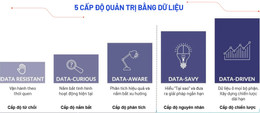
While large corporations may have the resources to invest heavily in data infrastructure, Small and Medium-sized Enterprises (SMEs) face unique challenges. Mr. Lo noted that many Vietnamese SMEs are still in the early stages of data adoption, often operating at a basic level of data management. The high cost of comprehensive ERP solutions and the lack of scalable, affordable data management tools pose significant barriers for SMEs looking to implement advanced data strategies.
He pointed out that many SMEs often adopt disparate solutions that do not integrate well, leading to fragmented data and inefficiencies. Furthermore, solutions that are suitable for early-stage businesses may not be adequate as companies grow, requiring costly upgrades or replacements. Access to comprehensive ERP systems, which often come with substantial implementation costs, is a particular hurdle for SMEs.
To address these challenges, MISA has developed the MISA AMIS platform, designed to provide comprehensive enterprise management solutions for businesses of all sizes. This platform aims to simplify data management and empower SMEs to adopt data-driven practices. MISA AMIS has been deployed to over 250,000 businesses and 25,000 business households, offering unified management and reporting capabilities. It provides clear and visual reports, helping leadership gain a comprehensive overview of their operations to make informed strategic decisions. Additionally, MISA AMIS integrates with MISA AVA, an AI-powered assistant, to enhance the efficiency of AI in business management and operations.
The Path Forward: A Collaborative Ecosystem
The development of a data-driven economy in Vietnam requires a concerted effort from all stakeholders. The government’s commitment to establishing a national data strategy, coupled with the private sector’s growing recognition of data’s value, sets a promising trajectory. However, overcoming the challenges related to data infrastructure, security, and the adoption of data-driven practices, especially among SMEs, will be crucial.
The journey towards becoming a data-centric nation is a complex one, but Vietnam’s proactive approach, exemplified by its strategic planning and engagement with industry leaders, signals a strong determination to harness the transformative power of data for sustained economic growth and societal advancement. The focus on creating a robust data infrastructure, fostering innovation, and ensuring data security will pave the way for Vietnam to not only participate in but also lead in the global digital economy. The successful implementation of these strategies will be key to unlocking new avenues for job creation, enhancing national competitiveness, and building a more prosperous future for all Vietnamese citizens.
Related posts: