The 3 Billion VND Diamond Crown Sparks Debate Over Valuation and Appraisal Methods


Following a previous report detailing the controversy surrounding the 3 billion VND ($120,000 USD) diamond crown, which was accused of being entirely composed of fake diamonds, the organizer has issued a statement to clarify the pricing and valuation process. However, many readers remain skeptical about how such a substantial value was determined and who is responsible for the appraisal. The discussion highlights a broader public concern regarding the transparency and authenticity of high-value items presented in public events, particularly those associated with beauty pageants and cultural showcases.
Public Skepticism Mounts Over 3 Billion VND Diamond Crown Valuation
HANOI, VIETNAM – A prominent Vietnamese beauty pageant has found itself at the center of a public relations storm following the unveiling of its grand prize, a crown valued at an astonishing 3 billion VND (approximately $120,000 USD). The opulent headpiece, adorned with numerous diamonds, has ignited a fierce debate among the public and industry experts regarding its true worth and the methodology used for its valuation. Critics have raised serious questions, with some alleging that the crown is primarily composed of artificial or low-quality diamonds, thus making the stated valuation highly questionable.
The controversy erupted after a detailed article published on July 24th by Tuoi Tre Online, titled "3 Billion VND Diamond Crown Accused of Being Entirely Fake Diamonds: The Manufacturer Responds," brought the issue to public attention. The report detailed the manufacturer’s statement and the subsequent public outcry, with many expressing their bewilderment over the crown’s astronomical price tag.
The Question of Valuation: Who Determines the Price?
A significant portion of the public’s concern centers on the process by which the 3 billion VND valuation was established. Many commenters on social media platforms and news portals have voiced their skepticism, questioning the expertise and impartiality of the appraisers.

One particularly pointed comment from a user named Anh Ba outlined a potential breakdown of the crown’s cost: "I estimate the following: the base value of the crown is 2.7 billion VND, the manufacturing cost is 200 million VND, other expenses are 80 million VND, and the raw materials cost only 20 million VND. Does this make sense?" This user’s comment reflects a common sentiment that the material cost and craftsmanship do not align with the claimed market value, suggesting that the "value" might be inflated for publicity purposes.
Another reader, Huu Tai, posed a direct question to the pageant organizers: "If the crown is worth 3 billion VND, who exactly appraised it? Who is the appraisal committee?" This highlights a demand for greater transparency regarding the individuals and institutions involved in determining the crown’s financial worth. Without clear disclosure of the appraisal process and the credentials of the appraisers, public trust remains elusive.
Similar sentiments were echoed by Nguyen Van San, who questioned the profit margin: "If it’s worth 3 billion VND, how much profit is left? Or is the 3 billion VND the ‘prestige’ price?" This line of questioning suggests that the valuation might be more symbolic or tied to brand prestige rather than a reflection of intrinsic material value or market resale price.
The Manufacturer’s Statement and Public Reaction
In response to the growing controversy, the manufacturer of the crown reportedly issued a statement explaining that the valuation includes not only the cost of materials but also the artistic value, design, and the significance of the crown within the context of the pageant. They emphasized that the creation of such a piece involves intricate design processes and the labor of skilled artisans, contributing to its overall worth.
However, this explanation has done little to quell the public’s doubts. Many argue that "artistic value" is subjective and difficult to quantify in monetary terms, especially when presented as a factual market valuation. The lack of specific details regarding the "design process" and "skilled artisans" leaves room for interpretation and further fuels skepticism.
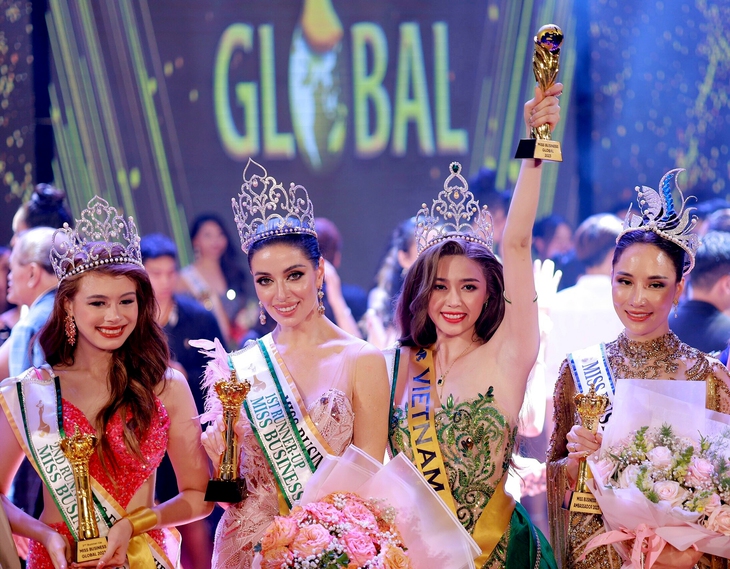
One commenter, A Long, expressed a common frustration: "When the price of the crown was announced at 3 billion VND, the organizing committee should have clearly stated the reasons for the valuation. If they stated ‘3 billion VND,’ what does that actually represent? What materials were used?" This sentiment underscores a desire for concrete, verifiable information rather than abstract justifications.
Underlying Issues: Transparency and the Perception of Value
The debate surrounding the 3 billion VND crown touches upon a larger societal conversation about transparency in the events industry and the perception of value, particularly concerning luxury items. In a country where economic disparities are significant, the justification for such high valuations on decorative items often faces intense scrutiny.
The Role of Gemstones and Craftsmanship
While the organizers may point to the diamonds and intricate craftsmanship as drivers of value, the specific types of diamonds, their clarity, cut, color, and carat weight are crucial factors that determine their market price. Without this granular detail, the 3 billion VND figure appears arbitrary to many. The term "diamond" itself can encompass a wide spectrum of qualities, from flawless, high-carat stones to industrial-grade diamonds or even high-quality simulants.
The craftsmanship, while undoubtedly valuable, also needs context. The reputation of the designer, the complexity of the techniques employed, and the historical or cultural significance of the design elements would all contribute to the "artistic value." Without transparency on these fronts, the justification for such a high price remains weak.
Precedents and Public Expectations
High-value prizes are not uncommon in major pageants and competitions globally. However, the public generally expects a certain level of transparency and justification for these valuations, especially when they are exceptionally high. The perception that the crown might be overvalued could detract from the prestige of the pageant and its winner.

The organizers face a challenge in balancing the need for a spectacular, attention-grabbing prize with the public’s expectation of reasonable and verifiable value. The current situation suggests a miscalculation in managing public perception.
Towards Greater Transparency: Calls for Action
The ongoing discussion has led to calls for greater accountability and transparency from event organizers, particularly concerning the valuation of prizes. Recommendations include:
- Disclosure of Appraisal Reports: Making appraisal reports from reputable gemological institutions publicly available.
- Clear Explanation of Valuation Components: Breaking down the valuation into material cost, craftsmanship, design fees, and any other contributing factors.
- Certification of Gemstones: Providing certificates from recognized gemological laboratories (e.g., GIA, AGS) for all diamonds and precious stones used in the crown.
- Independent Expert Involvement: Engaging independent, respected gemologists and appraisers to ensure impartiality.
Potential Implications for the Pageant
The controversy, if not adequately addressed, could have several negative implications for the pageant:
- Erosion of Public Trust: Continued skepticism could damage the pageant’s credibility and the public’s trust in its organizers.
- Negative Media Coverage: Persistent questions about the crown’s value could overshadow the achievements of the winner and the pageant’s overall message.
- Brand Reputation Damage: The association with a potentially overvalued or misrepresented item could harm the brand reputation of the pageant and its sponsors.
As the conversation continues, the organizers of the pageant face the critical task of providing clear, verifiable information to address the public’s concerns. Restoring confidence will require a commitment to transparency and a willingness to engage openly with the questions being raised. The ultimate goal should be to ensure that the value attributed to the prize reflects genuine worth and contributes positively to the prestige of the event and its participants. The 3 billion VND crown, intended as a symbol of ultimate achievement, has instead become a focal point for a deeper discussion about value, transparency, and public trust in Vietnam’s burgeoning events landscape.
Related posts: