Meningococcal Disease Risks and Vaccination Guidelines for the Elderly Over 60 Years of Age

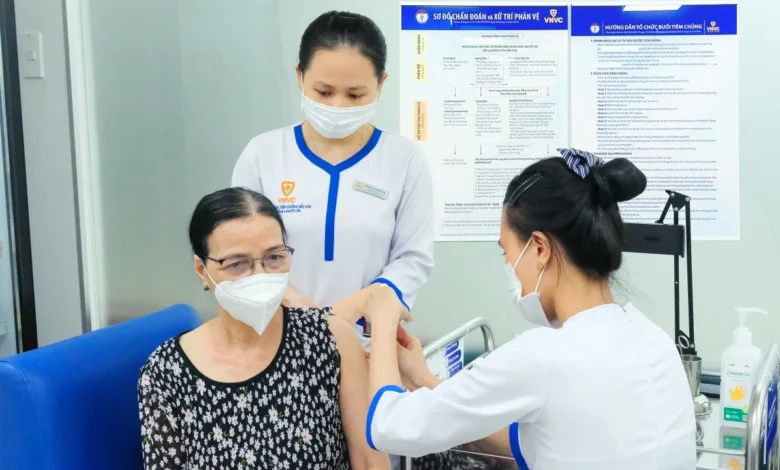
Meningococcal disease, a severe and potentially life-threatening infection caused by the bacterium Neisseria meningitidis, remains a significant public health concern in Vietnam, particularly for vulnerable populations such as the elderly. While often associated with infants and young adults, individuals aged 60 and older face unique risks due to the natural decline of the immune system and the presence of underlying chronic conditions. According to medical experts from the VNVC Vaccination Center, understanding the transmission dynamics, the importance of asymptomatic carriers, and the availability of modern vaccines is crucial for protecting the senior population from the devastating effects of meningitis and septicemia.
The Pathogen and Mechanisms of Transmission
Neisseria meningitidis, commonly known as meningococcus, is a bacterium that exclusively infects humans. It colonizes the mucosal membranes of the nasopharynx (the upper part of the throat behind the nose). Transmission occurs through the exchange of respiratory and throat secretions, typically via close or prolonged contact. Activities such as coughing, sneezing, kissing, or sharing personal items like utensils and water bottles can facilitate the spread of the bacteria.
A critical factor in the epidemiology of meningococcal disease is the role of "healthy carriers." Data indicates that approximately 5% to 25% of the general population may carry the bacteria in their throats without showing any clinical symptoms. During localized outbreaks or in crowded living conditions, this carrier rate can surge to 40% or even 50%. These asymptomatic individuals act as a reservoir for the bacteria, unknowingly spreading it to others who may be more susceptible to invasive disease. For the elderly, this means that even if they lead a relatively isolated lifestyle, they can still be exposed to the pathogen through family members, grandchildren, or caregivers who are asymptomatic carriers.
Heightened Vulnerability in the 60+ Demographic
As individuals age, they undergo a process known as immunosenescence—the gradual deterioration of the immune system. This makes it more difficult for the body to mount an effective defense against bacterial invasions. For those over 60, the risk is compounded by the high prevalence of comorbidities. Medical records show that elderly patients with hypertension, cardiovascular disease, diabetes, chronic obstructive pulmonary disease (COPD), or cancer are at a much higher risk of developing invasive meningococcal disease (IMD).
When the immune system is compromised by age or chronic illness, the bacteria can breach the mucosal barrier of the throat and enter the bloodstream. Once in the blood, the pathogen can cause meningococcemia (a severe blood infection) or cross the blood-brain barrier to cause meningitis (inflammation of the protective membranes covering the brain and spinal cord). In the elderly, the clinical presentation of these conditions can sometimes be atypical, leading to delays in diagnosis and treatment, which significantly increases the risk of mortality or permanent neurological damage.
The Evolution of Meningococcal Vaccines in Vietnam
Vietnam currently utilizes five types of vaccines designed to protect against the most common serogroups of Neisseria meningitidis: A, B, C, Y, and W. These serogroups are responsible for the majority of invasive cases globally. The vaccination landscape has evolved to offer protection across almost all age groups, moving away from the older polysaccharide vaccines toward more effective conjugate vaccines.
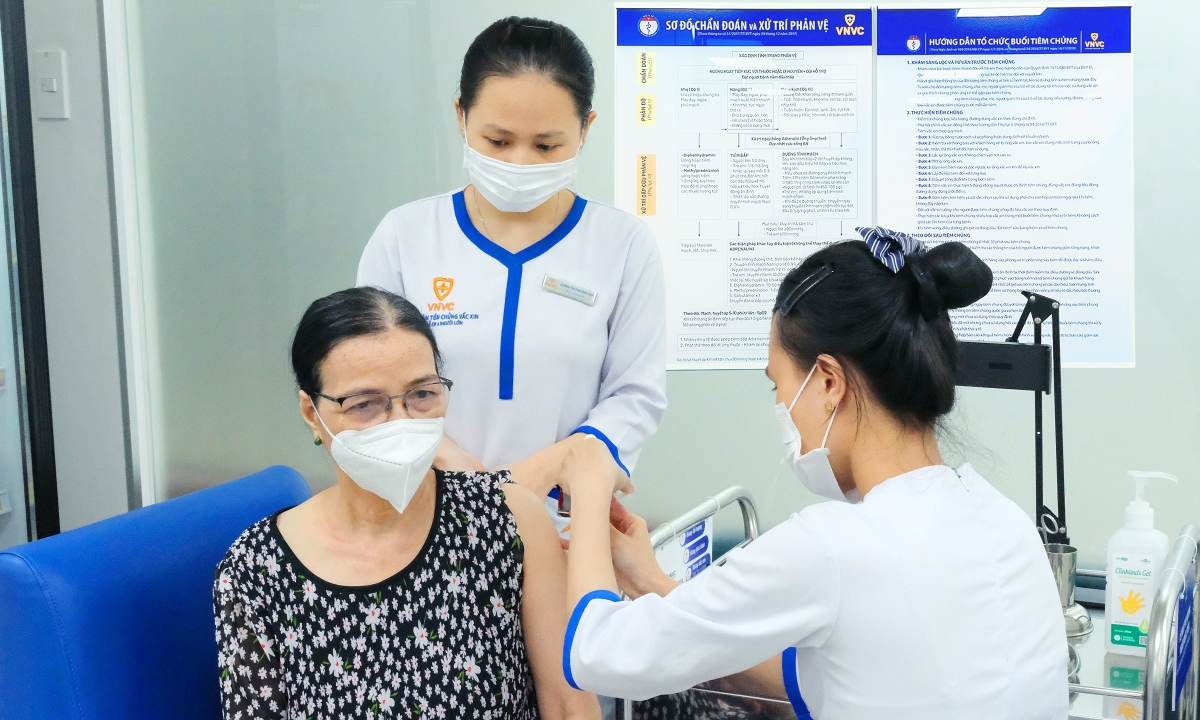
For the elderly population, medical professionals emphasize the use of quadrivalent conjugate vaccines (protecting against serogroups A, C, Y, and W). Unlike some pediatric vaccines that have strict age cut-offs, these quadrivalent vaccines are approved for use from six weeks of age through adulthood, with no upper age limit. This means that an individual aged 60, 70, or even 80 can safely receive the vaccine to bolster their immunity.
The recommended protocol for seniors involves a primary dose. For those who remain at high risk—such as those living in nursing homes, traveling to endemic areas, or living in regions with active outbreaks—a booster dose is recommended every four years to maintain protective antibody levels. Additionally, vaccines protecting against serogroup B are also available and should be considered as part of a comprehensive immunization strategy, as serogroup B is a frequent cause of disease in many regions.
Comprehensive Prevention Strategies Beyond Vaccination
While vaccination is the most effective primary defense, a multi-layered approach to prevention is necessary to safeguard the elderly. Dr. Le Thi Minh Nguyet, Medical Manager at the VNVC Vaccination Center, suggests that families and seniors adopt several behavioral interventions:
- Environmental Hygiene: Maintaining a clean and well-ventilated living space helps reduce the concentration of respiratory pathogens. Regular disinfection of frequently touched surfaces is also advised.
- Personal Protection: Seniors should wear masks when in crowded public spaces or when using public transportation. This serves as a physical barrier against respiratory droplets.
- Hand Hygiene: Frequent handwashing with soap and water or the use of alcohol-based sanitizers is essential, especially after returning from public places or before eating.
- Avoiding Shared Items: To prevent the direct transfer of saliva, elderly individuals should avoid sharing personal items such as glasses, towels, or toothbrushes.
- Social Distancing from the Ill: Close contact with anyone displaying symptoms of respiratory infection, such as coughing or fever, should be strictly avoided.
Clinical Recognition and Early Intervention
One of the greatest challenges in managing meningococcal disease in the elderly is the rapid progression of the illness. The "golden window" for treatment is often within the first 24 hours of symptom onset. Early signs can mimic the flu, including fever, sore throat, headache, and muscle aches. However, in meningococcal cases, these symptoms can quickly escalate to a stiff neck, sensitivity to light (photophobia), confusion, and a characteristic purple or red "petechial" rash that does not fade when pressed.
Dr. Nguyet advises that at the first sign of an unexplained high fever or severe sore throat, elderly patients should seek medical consultation immediately. Prompt administration of intravenous antibiotics is the only way to halt the progression of the bacteria and prevent septic shock or multi-organ failure.
Broader Socio-Economic Impact and Health Analysis
The burden of meningococcal disease extends beyond the individual patient. For the elderly, a survival case often results in long-term disabilities, including hearing loss, cognitive impairment, or limb amputations due to tissue necrosis caused by septicemia. These outcomes place an immense emotional and financial strain on families and the healthcare system.
In the broader context of public health in Vietnam, increasing the uptake of adult vaccinations is a key strategy for "healthy aging." Historically, vaccination programs have focused heavily on pediatrics. However, as the Vietnamese population ages, the focus is shifting toward life-course immunization. Preventing a single case of meningococcal disease through a cost-effective vaccine saves significant resources that would otherwise be spent on intensive care and long-term rehabilitation.
Furthermore, vaccinating the elderly contributes to "herd protection" within the household. By reducing the likelihood that a senior family member becomes a carrier or a victim of the disease, the entire family unit—including young children who may not yet be fully vaccinated—is better protected.
Chronology of Meningococcal Control in the Region
Over the past several decades, Vietnam has made significant strides in controlling meningococcal outbreaks through improved sanitation and the introduction of various vaccine formulations. In the 1990s and early 2000s, outbreaks were more frequent and often deadlier due to limited vaccine access. The introduction of the VNVC system and other specialized immunization centers has democratized access to high-quality, cold-chain-validated vaccines.
The current availability of conjugate vaccines represents a technological milestone. Polysaccharide vaccines, used in the past, often failed to induce long-term memory in the immune system and were less effective in the very young and the very old. The conjugate technology used in modern A, C, Y, W vaccines creates a more robust and lasting immune response by linking the bacterial sugars to a carrier protein, making it an ideal choice for the aging immune system of those over 60.
Conclusion
Meningococcal disease is a "silent" threat that can strike with devastating speed. For the elderly in Vietnam, the risk is real, but it is also preventable. Through a combination of modern vaccination—specifically the quadrivalent A, C, Y, W conjugate vaccines—and diligent personal hygiene, the 60+ population can significantly reduce their risk of infection. As medical science continues to emphasize the importance of adult immunization, it is imperative for seniors and their families to consult with healthcare providers to ensure their vaccination status is up to date, thereby ensuring a safer and healthier transition into the golden years.