How Media Collaboration Shapes Market Standards and Elevates the Quality of Tourism Destinations in Ho Chi Minh City


Ho Chi Minh City is entering a transformative era in its tourism development, marked by ambitious growth targets and a strategic shift toward high-value international markets. Central to this evolution is the symbiotic relationship between destination management and the press. Rather than merely chronicling the city’s tourism narrative, media outlets actively participate in establishing market standards, refining service quality, and ensuring that public policies translate into tangible benefits for both travelers and local enterprises.
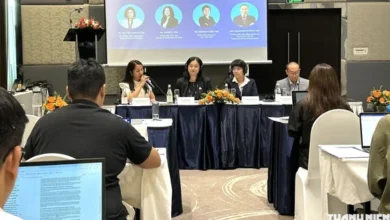
In an exclusive interview with local media, Mr. Pham Huy Binh, Director of the Ho Chi Minh City Department of Tourism, detailed the multifaceted role that journalism plays in modern destination marketing. As the city strives for double-digit economic growth, industry leaders recognize that traditional promotional campaigns are no longer sufficient. Destination communication must evolve into an integral component of comprehensive market development strategies, positioning the media as a critical pillar in driving sustainable growth.
Transforming Niche Markets: From Thieng Lieng to Halal Tourism
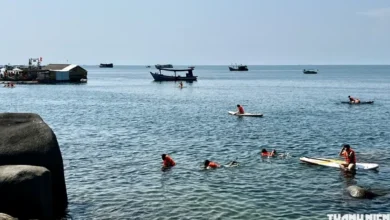
The impact of targeted journalism is vividly demonstrated in the development of emerging and specialized tourism products across Ho Chi Minh City. A prime example is the island community of Thieng Lieng, an isolated locality that historically faced significant geographical and infrastructural disadvantages compared to mainstream urban attractions.

Following approximately four years of dedicated operational development and continuous support from press and media agencies, Thieng Lieng has successfully welcomed nearly 7,000 visitors. For a tight-knit community with a population of fewer than 1,000 residents—where only about 20 households actively participate in organizing tourism activities—this influx of visitors carries monumental socio-economic significance, fostering grassroots economic resilience and preserving local heritage.
Similarly, the media has played an indispensable role in expanding Ho Chi Minh City’s capacity to serve specialized international segments, most notably the Halal tourism market. When media outlets and industry reports highlighted the rising demand for Halal-certified dining, prayer spaces, and culturally sensitive services among travelers from Indonesia, Malaysia, and the Middle East, local enterprises were empowered to act proactively. Equipped with timely insights, businesses adapted their culinary offerings, prayer facilities, and operational procedures. Consequently, the city successfully welcomed large tourist delegations from Indonesia, including a single group of nearly 900 visitors during the first half of the year alone.
Expanding International Reach and High-Spending Markets
As Ho Chi Minh City broadens its developmental horizons to target high-spending international travelers, the necessity for global visibility has intensified. Reaching sophisticated international audiences requires the active participation of media agencies equipped with extensive international networks and foreign-affairs capabilities.
Destination management organizations increasingly rely on the press not only to tell existing stories about Ho Chi Minh City but also to co-create compelling new narratives. These narratives focus on crafting a competitive destination capable of generating high economic value and offering diverse, immersive experiences for global tourists. Achieving a double-digit growth rate relies heavily on establishing a robust international footprint built on credibility, transparency, and distinct cultural appeal.

Crisis Management and Information Transparency in Destination Marketing
In the fast-paced realm of global tourism, destination reputation is highly sensitive. Inaccurate reporting, or the tendency to generalize isolated incidents into systemic problems, can inflict rapid and severe damage on a city’s tourism image. Addressing these vulnerabilities requires a framework built on speed, accuracy, and comprehensiveness.
Department of Tourism leadership emphasizes that management agencies must proactively provide transparent information and maintain timely dialogue with the press, avoiding the temptation to evade unresolved issues. Official, transparent communication remains the most effective method to eliminate information vacuums. When responsible journalism and transparent administrative bodies work in tandem, they foster a trustworthy information ecosystem that reassures both international travelers and domestic investors.
Broadening the Scope of Press and Tourism Collaboration
Beyond traditional destination promotion and marketing campaigns, the partnership between media agencies and the tourism sector extends across several critical dimensions:
- Policy Dissemination and Public Understanding: Policies and administrative incentives only achieve maximum efficacy when the beneficiaries clearly understand their scope, target audience, eligibility criteria, and accessibility channels. Media platforms serve as a vital bridge, translating complex regulatory frameworks into digestible information for businesses and citizens.
- Amplifying Grassroots Innovations: Many successful tourism initiatives originate not from large-scale corporate investments, but from small enterprises, local communities, and frontline hospitality workers. By highlighting grassroots innovations, the media transforms localized success stories into widespread sources of inspiration and practical models for other regions.
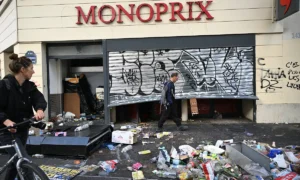
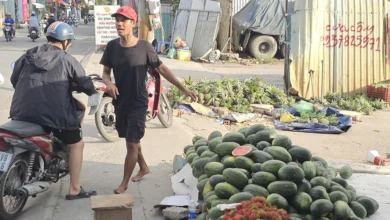
- Rigorous Destination Monitoring: Feedback concerning pricing transparency, environmental sanitation, public safety, service quality, and aggressive solicitation should not be dismissed merely as negative press. Instead, these reports serve as vital operational signals, enabling management agencies to identify emerging challenges, adjust policies proactively, and elevate baseline service standards.
Institutional Synergy for Sustainable Growth
Looking toward the future, the strategic partnership between Ho Chi Minh City’s tourism sector and the press is shifting toward a continuous, proactive, and bidirectional model. By treating journalism as an essential administrative and developmental partner, regulatory bodies gain direct access to ground-level realities that may not fully appear in standard bureaucratic reports.

The ultimate objective remains clear: to cultivate a frictionless operational environment for businesses, deliver superior quality experiences for visitors, and maximize tourism’s contribution to the broader urban economy. When municipal management and independent media align their respective strengths, Ho Chi Minh City secures the vital foundation needed to transform transient tourism advantages into sustainable, long-term economic growth.