North Korea Fires Multiple Short-Range Ballistic Missiles off East Coast Hours After Initial Launch

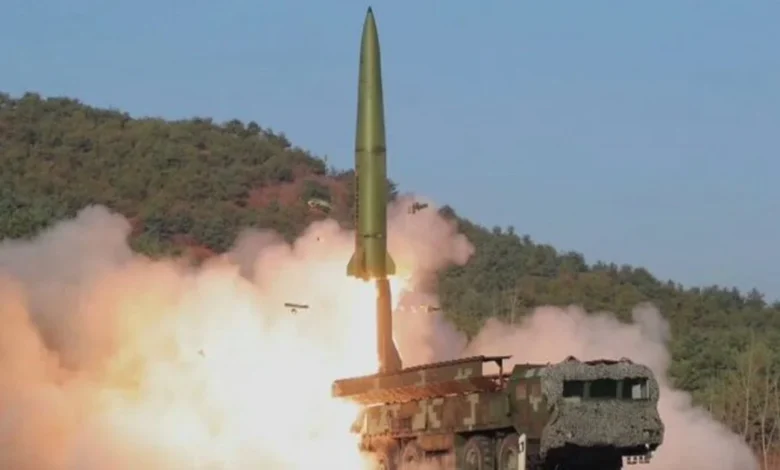
Pyongyang escalated regional tensions on September 20 by conducting two separate ballistic missile launches within a single afternoon, drawing swift condemnation from neighboring countries and triggering coordinated intelligence-sharing responses among regional allies. The series of provocative military demonstrations marked the second known weapons test conducted by the reclusive state within the span of just one week, following a previous launch on September 12.
According to military authorities in Seoul, the latest wave of missile tests underscores a persistent pattern of defiance from the North Korean leadership. The actions have directly challenged a complex web of United Nations Security Council resolutions that explicitly prohibit Pyongyang from developing, testing, or deploying ballistic missile technology of any range.
Chronology of the September 20 Missile Launches
The sequence of events unfolded rapidly on the afternoon of September 20, catching regional defense networks in high alert following weeks of elevated diplomatic friction on the Korean Peninsula.
The first of the two ballistic projectiles was detected by the South Korean military at approximately 3:00 PM local time (13:00 GMT). Launched from the eastern coastal area of Wonsan—a frequent site for the country’s missile testing operations—the weapon traveled approximately 450 kilometers before splashing down. South Korean defense analysts identified the projectile as belonging to the Hwasong-11 family of short-range ballistic missiles (SRBMs), which are developed and manufactured domestically by North Korea. Japanese public broadcaster NHK subsequently confirmed that the projectile landed outside Japan’s exclusive economic zone (EEZ), avoiding direct territorial disruption but still invoking profound security concerns in Tokyo.
Less than three hours after the initial launch, at approximately 5:50 PM local time (15:50 GMT), South Korean monitors detected a second launch originating from the same coastal region near Wonsan. This second projectile exhibited an extended flight path, traveling a distance exceeding 600 kilometers before descending into the sea.
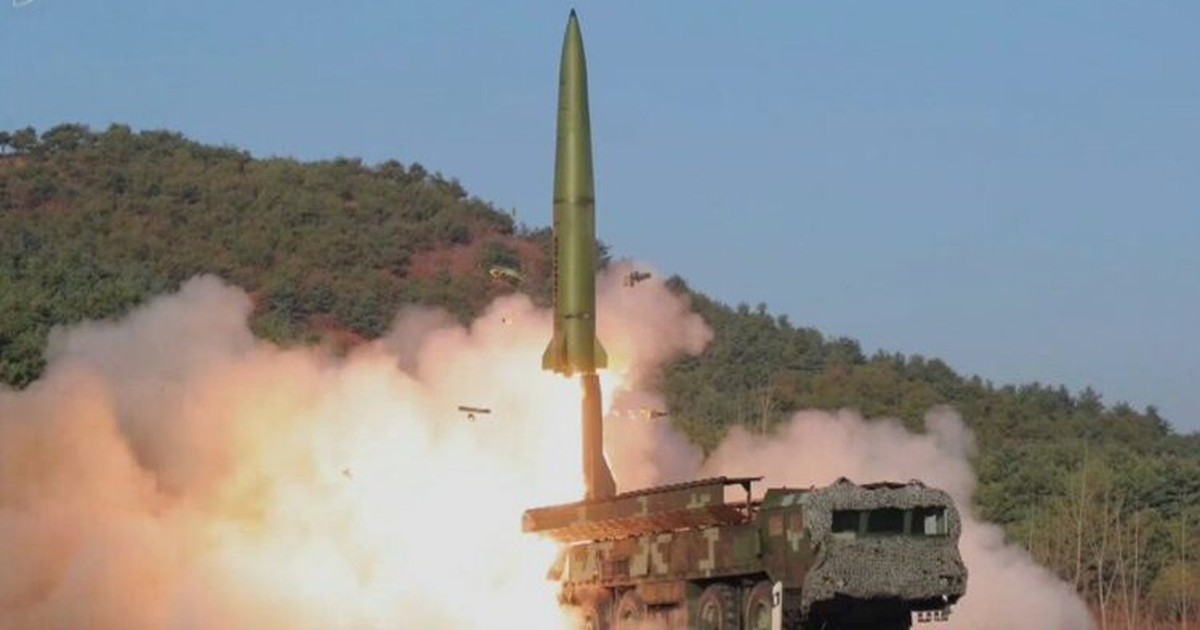
The Joint Chiefs of Staff (JCS) in Seoul reported that military and intelligence agencies from South Korea and the United States closely tracked both projectiles from the moment of liftoff. Recognizing the immediate regional security implications, Seoul maintained real-time intelligence-sharing protocols with Japan, ensuring that all three allied nations possessed synchronized tracking data regarding the trajectory, speed, and splashdown zones of the North Korean armaments.
Regional Reactions and Diplomatic Condemnations
The succession of missile launches prompted immediate high-level diplomatic and security responses across East Asia and the international community.
In Seoul, the National Security Council (NSC) convened an emergency meeting to review the security implications of the afternoon launches. The council issued a stern formal statement condemning Pyongyang’s actions, demanding that North Korea immediately halt all missile-related activities. The NSC explicitly warned that continuing such tests represents a direct and dangerous violation of multiple binding resolutions issued by the United Nations Security Council.
Tokyo similarly expressed outrage over the proximity of the missile trajectories to Japanese waters. The Japanese government lodged a formal protest through diplomatic channels, transmitting its official objections via the Japanese embassy in Beijing.
The latest provocation occurred against a backdrop of deteriorating diplomatic relations and escalating rhetoric between North Korea and the U.S.-led coalition in the region. Just days prior, on September 19, Pyongyang officially rejected and denounced a resolution adopted by the International Atomic Energy Agency (IAEA) that targeted the nation’s clandestine and expanding nuclear infrastructure.
Furthermore, North Korean state media and high-ranking officials have continuously voiced fierce opposition to joint military exercises conducted by the United States, South Korea, and Japan. Earlier in the month, Pyongyang strongly condemned a series of large-scale trilateral naval exercises held near the U.S. territory of Guam between August 29 and September 10.
The rhetoric reached a notable peak on September 18 when Kim Yo Jong, the influential sister of North Korean leader Kim Jong Un, issued a scathing public statement. She blamed joint military drills led by the United States for driving the security situation on the Korean Peninsula "ever closer to the brink of disaster." Kim Yo Jong explicitly declared that Pyongyang has no intention of altering its trajectory or slowing down the systematic expansion of its nuclear and conventional weapons arsenal, framing the country’s military advancements as a necessary deterrent against external aggression.
Strategic Implications and Ongoing Security Concerns
Defense analysts and geopolitical experts view the September 20 missile tests as part of a calculated strategy by Pyongyang to advance its tactical missile capabilities while signaling political dissatisfaction with ongoing regional security cooperation between Washington, Seoul, and Tokyo.
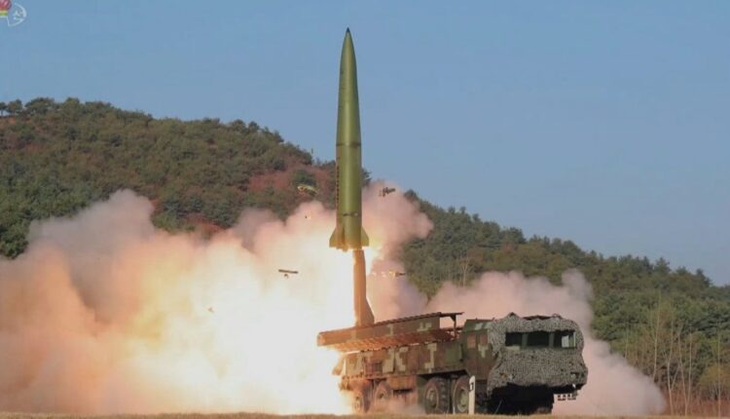
The Hwasong-11 missile system, frequently highlighted in North Korean state military exhibitions, is designed to be mobile, highly accurate, and difficult to intercept. By testing these short-range systems in rapid succession, North Korean engineers can gather vital telemetry data on the reliability and operational readiness of the hardware under simulated combat conditions.
At the same time, the timing of the launches—occurring immediately after the conclusion of trilateral drills and in defiance of international non-proliferation bodies—highlights Pyongyang’s calculated disregard for external diplomatic pressure. Despite facing decades of severe economic sanctions, international isolation, and stringent diplomatic censure, the North Korean leadership remains committed to modernizing its armed forces.
The persistent testing cycle continues to strain regional stability, forcing South Korea, Japan, and the United States to deepen their trilateral defense cooperation, expand intelligence-sharing mechanisms, and maintain high levels of military readiness across the Indo-Pacific theater. As diplomatic channels remain deadlocked and communication lines stagnant, the international community faces a protracted challenge in curbing North Korea’s relentless pursuit of advanced military technology.