Sophisticated credit card fraud syndicates orchestrate elaborate schemes to exploit banking customers through illicit payment processing networks

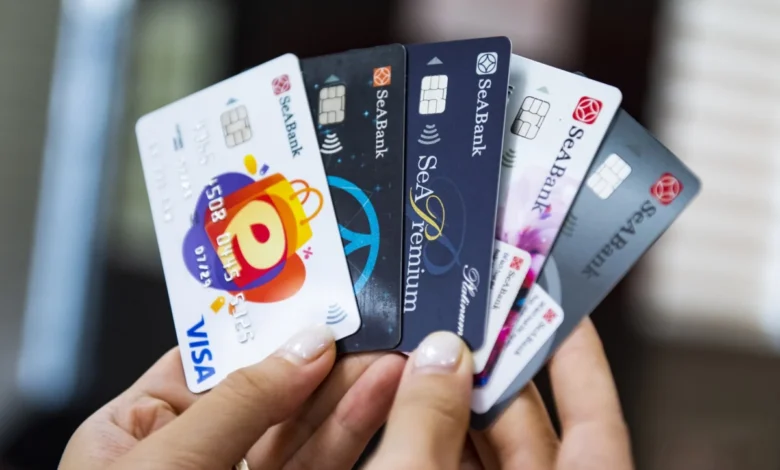
The landscape of financial crime in Vietnam has reached a new level of complexity, as evidenced by recent proceedings at the Ho Chi Minh City People’s Court. Criminal syndicates are increasingly utilizing sophisticated, multi-layered strategies to bypass traditional banking security protocols, effectively deceiving customers into authorizing fraudulent transactions. These operations go far beyond simple phishing; they involve the creation of shell companies, the acquisition of illicit data, and the systematic impersonation of banking personnel to manipulate victims into revealing sensitive authentication credentials.
The Anatomy of the Deception
At the core of these operations is a meticulously designed ruse that exploits the victims’ need for liquidity. Investigative reports from the Police Investigation Agency reveal that these criminal groups operate with a high degree of organizational structure. They typically establish legitimate-looking business entities that appear to function as authorized financial intermediaries. Once a front is established, they purchase large caches of personal data, likely obtained through third-party data breaches, to identify targets with active credit lines.
The modus operandi begins with the perpetrators contacting victims under the guise of bank employees. They pitch attractive financial products, such as "instant cash withdrawal" services, promising that users can access up to 75% of their credit limit with zero fees and an installment repayment plan spanning six to twelve months. This specific hook is designed to appeal to individuals who may be experiencing temporary financial strain or are seeking quick, low-cost capital.
Chronology of a Fraudulent Transaction
The deception follows a carefully timed sequence designed to extract maximum value before the victim realizes the breach:
- Initial Contact: The perpetrator establishes a rapport with the victim, posing as a bank representative. They use professional terminology and provide fake documentation to solidify their legitimacy.
- Information Harvesting: Once the victim expresses interest, the perpetrator requests sensitive information under the pretense of "processing the loan." This includes the credit card number, expiration date, CVV code, and, crucially, the One-Time Password (OTP) sent to the user’s mobile device.
- The Invisible Transaction: Instead of processing a legitimate loan, the criminals use the harvested data to initiate a high-value online payment on a fraudulent e-commerce platform controlled by the syndicate. The transaction is disguised as a purchase of goods.
- The Partial Refund Illusion: To maintain the ruse, the syndicate transfers approximately 75% of the transaction value back to the victim’s account, claiming it is the "loan" payout. They retain the remaining 25% under the guise of an administrative or service fee, promising that this amount will be refunded once the installment plan is settled.
- The Final Realization: The victim remains under the impression they are participating in a legitimate financial arrangement. In reality, the entire 100% value of the transaction has been charged to their credit card, and they remain legally liable for the full amount owed to the bank.
Supporting Data and Statistical Context
The scale of this issue is significant. According to recent industry reports on cybersecurity in the Southeast Asian financial sector, the number of successful financial fraud incidents involving credit card theft has risen by approximately 22% year-over-year. These syndicates often manage thousands of "ghost" accounts simultaneously, allowing them to cycle illicit funds through multiple channels before they are flagged by traditional anti-money laundering (AML) software.
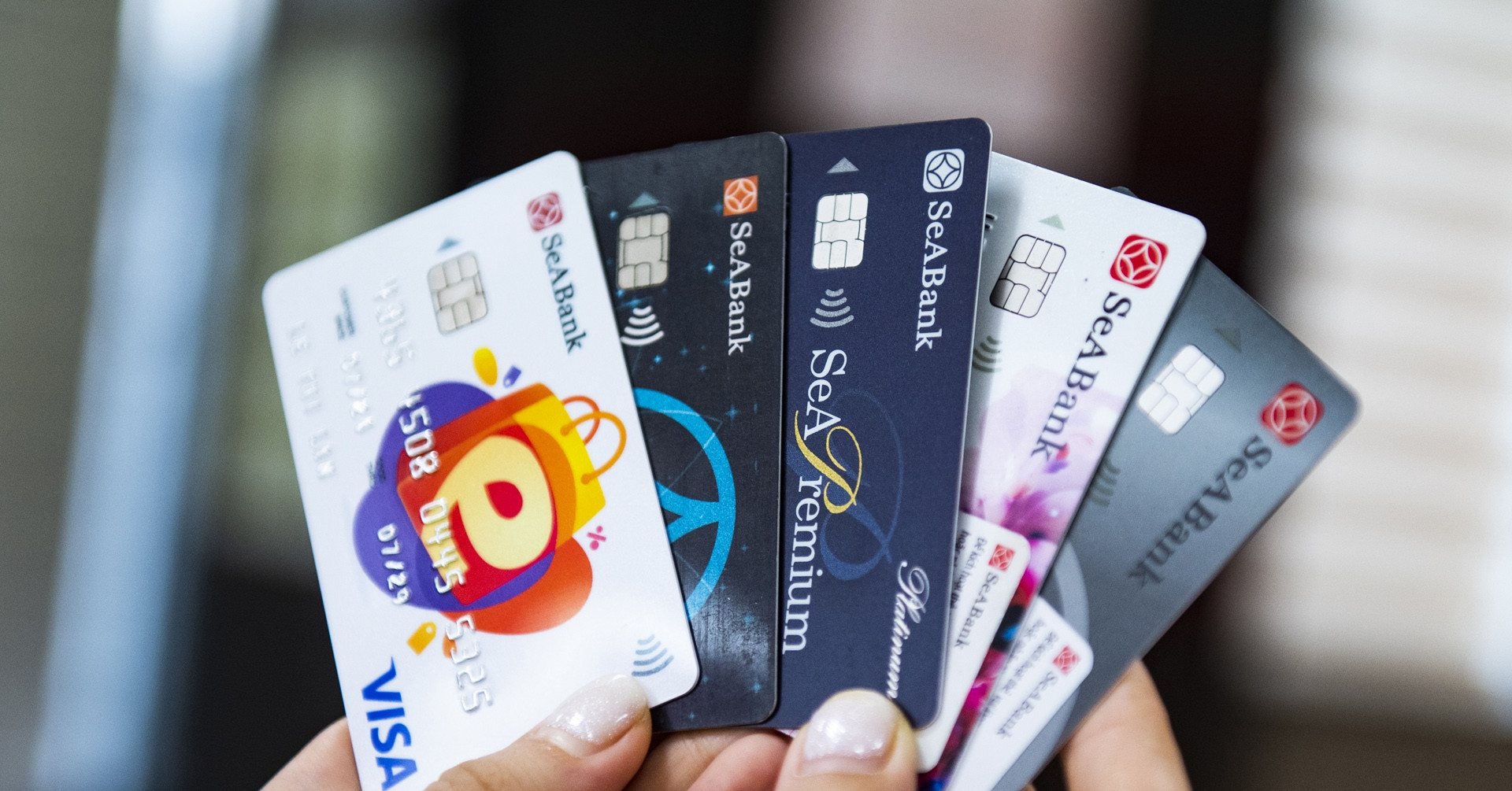
The use of "mule accounts"—bank accounts opened by individuals who are often unaware of their involvement or are paid to provide their credentials—further complicates the tracking of stolen funds. By the time a victim notices the discrepancy on their statement, the funds have often been converted into cryptocurrencies or moved through multiple offshore accounts, making recovery extremely difficult for law enforcement.
Official Responses and Industry Standards
Financial institutions have responded to these developments by reiterating the "Three Noes" principle, a framework designed to protect customers from such social engineering attacks:
- No Sharing of Sensitive Credentials: Customers are strictly advised never to disclose passwords, OTPs, PINs, or biometric data to anyone, including individuals claiming to be bank employees.
- No Unverified Links: Users should avoid clicking on links received via SMS, email, or social media platforms that prompt them to enter banking information or download third-party applications.
- No Pre-payments for Services: Any request for an upfront fee—whether it be for loan processing, limit increases, or documentation—is a red flag. Legitimate banks deduct fees from the loan amount or bill them transparently; they do not require private transfers to third-party accounts.
Broader Implications for Digital Banking
The rise of these syndicates highlights a critical vulnerability in the digital transformation of the banking sector: the human element. While banks have invested heavily in encryption, firewalls, and AI-driven fraud detection, the weakest link remains the user’s awareness of social engineering tactics.
The implications for the industry are profound. Banks are now facing increased pressure to implement more robust multi-factor authentication (MFA) that does not rely solely on SMS-based OTPs, which are easily intercepted. Furthermore, there is a growing consensus among regulators that financial institutions must play a more proactive role in educating their customer base, rather than simply relying on legal disclaimers.
Best Practices for Consumer Protection
Experts suggest that consumers should take active measures to secure their financial footprint:
- Real-time Notifications: Enable instant transaction alerts on all credit and debit cards to ensure that any unauthorized activity is detected immediately.
- Dynamic Limits: Utilize mobile banking apps to set daily spending limits and disable "Card Not Present" (online) transactions when they are not in use.
- Verified Communication: If a request appears suspicious, contact the bank immediately using only the official phone number listed on the back of the physical credit card or the official website. Never rely on phone numbers provided in suspicious messages or emails.
- Verification of Entities: Before engaging in any financial service, verify that the company is a licensed financial institution regulated by the State Bank of Vietnam.
Conclusion
The recent findings from the Ho Chi Minh City People’s Court serve as a sobering reminder of the ingenuity of modern cybercriminals. As these syndicates evolve, so too must the collective response of the public, the banking industry, and law enforcement. The ultimate defense against such fraud is not merely technological but psychological: maintaining a healthy level of skepticism toward unsolicited financial offers and recognizing that if a deal seems too good to be true, it is almost certainly a gateway to a criminal operation. As the digital economy continues to expand, the vigilance of the individual remains the most effective barrier against those seeking to exploit the vulnerabilities of our interconnected financial system.