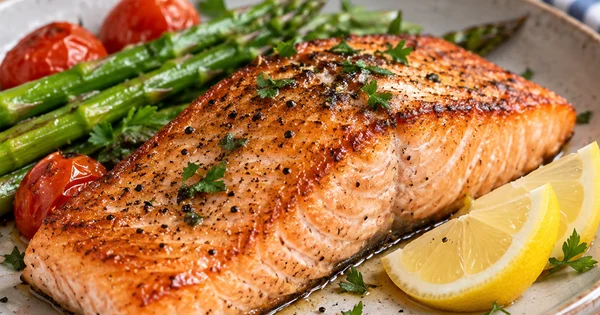
Fish is widely recognized by nutritionists and health organizations as a cornerstone of a heart-healthy diet, primarily due to its high concentration of long-chain omega-3 fatty acids, specifically eicosapentaenoic acid (EPA) and docosahexaenoic acid (DHA). However, simply consuming fish does not automatically guarantee that an individual is reaping the full nutritional potential of these essential fats. Recent nutritional analysis suggests that the specific variety of fish chosen, the frequency of consumption, and the culinary techniques employed can drastically alter the bioavailability of omega-3s.
While the health benefits of fish—such as reduced inflammation, improved cardiovascular function, and cognitive support—are well-documented, the nuances of preparation and selection are often overlooked by the average consumer. According to insights from experts at Eating Well and various food science publications, three specific habits are currently identified as the primary culprits behind the inadvertent depletion of these vital nutrients before the fish ever reaches the dinner plate.
The Nutritional Disparity in Fish Selection
Not all fish are created equal when it comes to their fatty acid profile. The primary distinction lies between fatty, cold-water species and leaner, white-fleshed varieties. Species such as salmon, mackerel, sardines, herring, and albacore tuna are dense in omega-3s, providing the necessary EPA and DHA required to maintain optimal physiological health. In contrast, while white fish like tilapia, cod, or pollock are excellent sources of high-quality protein and essential minerals, they contain significantly lower concentrations of omega-3 fatty acids.
The misconception that any fish is nutritionally equivalent often leads individuals to select species based on price, convenience, or flavor preferences rather than nutritional density. While health guidelines, such as those from the American Heart Association (AHA), advocate for at least two servings of fish per week, the "quality" of those servings matters. If an individual consistently selects lean fish while assuming they are meeting their omega-3 requirements, they may find themselves deficient in these fats despite a regular fish-heavy diet. This is not to suggest that white fish should be avoided; rather, it emphasizes that for those specifically targeting heart or brain health, the frequency of consuming oily, cold-water fish must be prioritized.
The Impact of Portion Frequency and Consistency
A secondary habit that compromises omega-3 intake is the lack of consistency or insufficient portion sizing. Nutritional intake is cumulative; sporadic consumption of high-omega-3 fish is unlikely to provide the sustained levels of EPA and DHA necessary to modulate long-term health markers.
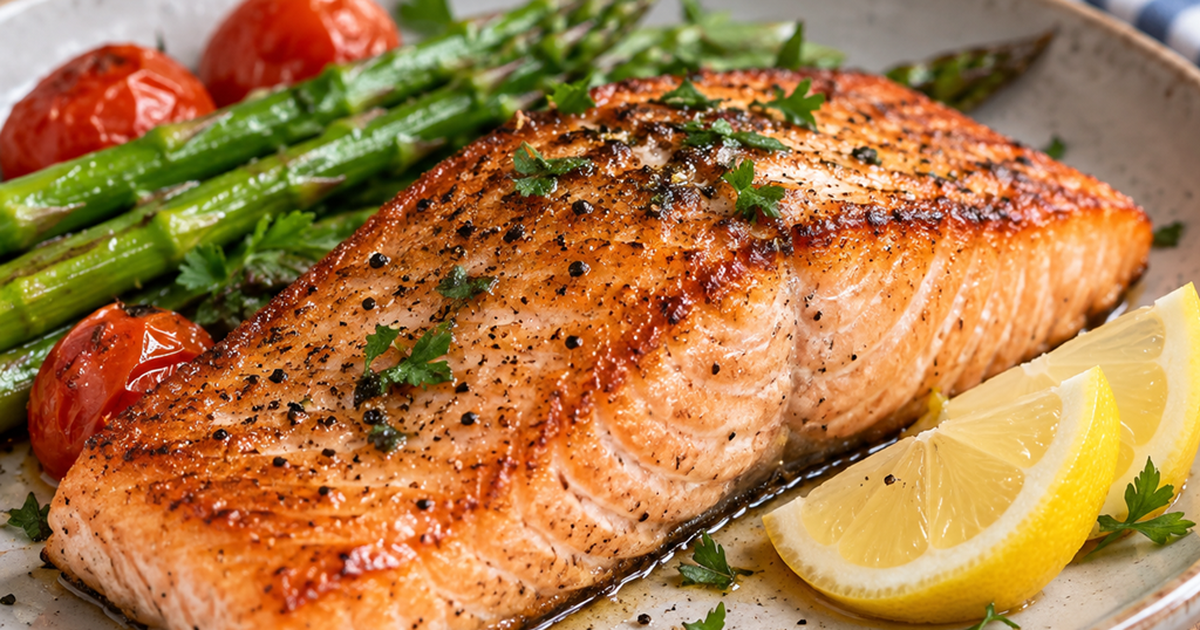
The AHA recommends a standard serving size of approximately 3 to 4 ounces (85 to 100 grams) of cooked fish per serving, at least twice a week. When individuals consume fish infrequently or in portions that fall well below these guidelines, the total net gain of beneficial fatty acids is negligible. The body requires a steady supply of these fats to incorporate them into cell membranes, particularly within the brain and heart tissue. By viewing fish as a treat rather than a foundational element of a weekly meal plan, many people fail to reach the threshold required for therapeutic health benefits.
The Deleterious Effects of Deep-Frying
Perhaps the most significant factor in the loss of omega-3s is the method of preparation. Deep-frying, a common global cooking technique, is fundamentally at odds with the preservation of delicate polyunsaturated fats. The high temperatures and the chemical environment of hot oil can lead to the oxidation and degradation of EPA and DHA.
A seminal study published in the Journal of Food Science provides a compelling comparison of various cooking methods—steaming, pan-searing, and deep-frying—specifically applied to Pacific bluefin tuna. The researchers observed that deep-frying resulted in a substantial decrease in the concentration of omega-3 fatty acids compared to other methods. The study concluded that during the deep-frying process, a significant portion of the omega-3s leaches out of the fish tissue and into the cooking oil. This not only strips the fish of its nutritional value but can also introduce harmful trans fats and excessive calories, thereby negating the health benefits typically associated with seafood consumption.
Chronology and Evolution of Nutritional Guidelines
The scientific understanding of omega-3s has evolved significantly over the last three decades. In the 1990s, the focus was primarily on total fat reduction. By the early 2000s, research shifted toward identifying "good" fats versus "bad" fats. During this era, clinical trials highlighted the role of fish oil in reducing triglycerides and blood pressure.
By the 2010s, organizations like the World Health Organization (WHO) and the European Food Safety Authority (EFSA) began refining their intake recommendations. The current consensus, as of the mid-2020s, emphasizes that it is not enough to simply eat fish; one must consume it in a manner that preserves the integrity of its chemical structure. This transition in focus—from "quantity of intake" to "quality of preservation"—represents a major shift in public health education.
Fact-Based Analysis of Nutritional Implications
When fish is subjected to intense, prolonged heat, the polyunsaturated chains that define omega-3s become unstable. These chains are highly susceptible to heat-induced oxidation. Once oxidized, the omega-3s lose their anti-inflammatory properties and can potentially contribute to the formation of lipid peroxides, which are harmful to the cardiovascular system.

For the consumer, this implies a need for "nutritional literacy" in the kitchen. Gentle cooking methods are significantly more effective at retaining nutrients:
- Steaming: This is arguably the gold standard for preserving omega-3s, as it utilizes moisture and avoids the extreme temperatures of direct heat.
- Baking: Roasting or baking at moderate temperatures (below 375°F or 190°C) keeps the fatty acids relatively intact.
- Pan-searing: Using a minimal amount of healthy oil and a shorter duration of heat allows for a high-quality meal without the nutrient loss associated with deep-frying.
Official Responses and Public Health Context
Health agencies remain steadfast in their recommendation to prioritize seafood, but there is a growing trend toward providing "preparation instructions" alongside nutritional advice. For instance, the AHA has increasingly included guidance on avoiding breaded, fried fish products often found in the frozen aisle, which are frequently labeled as "fish" but are nutritionally inferior to a piece of fresh or frozen-at-sea salmon.
Medical professionals argue that the discrepancy between the perceived healthiness of a fish-rich diet and the actual clinical outcomes in some populations may be explained by these hidden preparation habits. If a population consumes high amounts of fried fish, they may be missing out on the cardiovascular protection usually attributed to seafood, potentially explaining why some observational studies have shown mixed results regarding the efficacy of fish consumption in certain dietary patterns.
Broader Impact on Consumer Behavior
The implications for public health are profound. As the global demand for seafood rises, consumers are increasingly seeking out information that helps them maximize their grocery budget and health outcomes. Educational campaigns that shift the focus from "eating fish" to "eating fish properly" could play a vital role in preventing chronic diseases.
Ultimately, the goal is to bridge the gap between nutritional theory and kitchen reality. By choosing oily fish species, ensuring consistent portion sizes, and opting for gentle cooking techniques like steaming or light pan-searing, consumers can ensure that they are actually obtaining the omega-3 levels they are aiming for. As nutritional science continues to refine these insights, the path toward a healthier heart through diet becomes clearer: it is not just about the source of the protein, but how that source is treated from the moment it is caught until it is consumed. The longevity of these nutrients depends entirely on the respect given to them during the culinary process.