Early morning exercise and breakfast timing for middle-aged and elderly individuals: A comprehensive nutritional guide


The habits of middle-aged and elderly individuals regarding early morning routines—specifically waking between 4:00 and 5:00 AM to exercise or attend to daily tasks—have long been a subject of debate in geriatric health. While many seniors view these early hours as the most productive and healthy time for physical activity, questions regarding the optimal timing of the first meal of the day and its nutritional composition remain prevalent. Medical experts emphasize that there is no universal mandate for when a senior must eat; rather, the focus should shift toward personalized metabolic requirements, underlying health conditions, and the prevention of sarcopenia.
The Morning Routine: A Snapshot of Diverse Habits
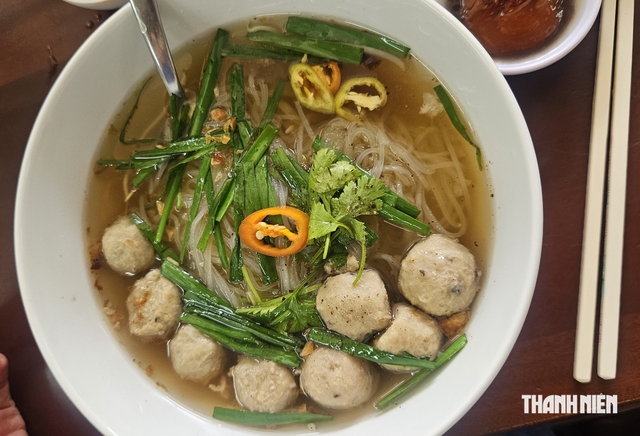
For many older adults, the early morning is characterized by a structured, almost ritualistic approach to health. Take, for example, Mr. N.V.C., a 73-year-old resident of Ho Chi Minh City. His day begins at 4:00 AM with a cup of coffee and light household activities. By 5:00 AM, he engages in physical exercise, followed by breakfast at 7:00 AM. Mr. C. believes that for his demographic, finishing breakfast before 8:00 AM is critical for sustained energy, favoring traditional staples like sticky rice, pho, or bread, occasionally supplemented by a glass of milk.
Conversely, others like 55-year-old Ms. T.T.M. advocate for a lighter, more easily digestible approach. She prefers soft foods such as minced meat porridge or crab soup, and occasionally house-made yogurt. She argues that heavy, complex meals in the early morning can lead to digestive discomfort, a sentiment shared by many in the 50+ age bracket who may experience slower gastric emptying or reduced enzymatic efficiency.
Clinical Perspectives on Morning Nutrition
Dr. Mai Phuong Uyen, from the Nutrition Research and Consultancy Institute (NERCI) in Ho Chi Minh City, notes that the "ideal" time for breakfast is not a static number on a clock. Instead, it is a calculation based on wake-up time, hunger cues, daily routines, nutritional status, existing pathologies, and the pharmacological profile of any medications being taken.
"The objective is to maintain a relatively stable eating schedule that meets the body’s caloric and micronutrient needs throughout the entire day," Dr. Uyen explains. She cautions against the rigid belief that "sooner is better" or that specific foods are inherently superior for all seniors. The nutritional strategy must be bespoke. For instance, an individual on medication for diabetes must coordinate meal timing to prevent hypoglycemia, whereas someone with heart failure must strictly monitor sodium intake.

Analyzing the "Soft Food" Misconception
There is a common, yet potentially misleading, belief that older adults should prioritize soft, liquid-based foods like plain porridge for breakfast. While these are appropriate for individuals with dysphagia, poorly fitted dentures, or those recovering from acute illness, they are not necessarily the gold standard for healthy aging.
Plain porridge, while easy to consume, is often "nutrient-poor." It consists primarily of refined carbohydrates while lacking sufficient protein and fiber. If a senior consistently relies on a diet high in refined starches but low in protein, they risk failing to meet their daily protein requirements. This is particularly concerning for the elderly, as age-related sarcopenia—the progressive loss of skeletal muscle mass and strength—requires a higher threshold of dietary protein intake to mitigate. Relying on sugar-laden beverages or refined pastries further exacerbates these risks, leading to blood glucose spikes without providing the necessary building blocks for muscle maintenance.
Building a Balanced Breakfast: A Nutritional Framework
To optimize health outcomes, Dr. Uyen suggests a balanced breakfast that integrates four key nutritional pillars:
- High-Quality Protein: Essential for muscle maintenance. Sources should include eggs, fish, lean meat, dairy, yogurt, or legumes.
- Complex Carbohydrates: These provide sustained energy. Recommended options include oats, whole-grain bread, sweet potatoes, or whole-grain cereals.
- Micronutrients and Fiber: Fresh vegetables and seasonal fruits are vital for digestive health and providing necessary vitamins and minerals.
- Healthy Fats: Moderate amounts of fats sourced from nuts, seeds, or plant-based oils support heart and brain health.
For those who find chewing difficult, the solution is not to reduce the nutritional density of the meal, but to alter the preparation method. Instead of plain porridge, experts recommend "enriched" porridges—incorporating minced lean meat, finely chopped vegetables, or fish—to ensure the meal is calorically and nutritionally robust.
The Intersection of Medication and Metabolism
For the elderly population, the timing of breakfast is often dictated by medical necessity rather than appetite. Many chronic conditions require consistent glucose control. For those managing diabetes, particularly those using insulin or secretagogues, skipping breakfast or significantly delaying it can precipitate dangerous hypoglycemic events.
"For patients who are insulin-dependent or using medications that carry a risk of hypoglycemia, the timing and interval between meals must be strictly tailored to their clinical status," Dr. Uyen emphasizes. The goal is to avoid prolonged fasting periods that could lead to glycemic instability.
Broader Implications for Geriatric Health
The broader impact of these dietary habits on public health is significant. As the global population ages, the burden of chronic diseases such as Type 2 diabetes, cardiovascular disease, and frailty syndrome continues to rise. Nutrition serves as a primary non-pharmacological intervention.
Recent longitudinal data suggests that high-protein breakfasts in the elderly can significantly improve satiety and glucose regulation throughout the day, effectively reducing the likelihood of compensatory overeating in the evening. Furthermore, ensuring adequate protein intake in the morning helps to stimulate muscle protein synthesis, which is often blunted in older adults due to anabolic resistance.
Conclusion and Recommendations
The practice of waking early for exercise is highly beneficial for physical and mental well-being, but it should be paired with a deliberate approach to nutrition. There is no biological requirement for a senior to eat immediately upon rising if they do not feel hungry; however, if the period between waking and eating exceeds several hours, it is essential to monitor for signs of low blood sugar.
Ultimately, the most effective breakfast strategy for the elderly involves:
- Prioritizing Protein: Aim for 20-30 grams of high-quality protein per meal.
- Limiting Refined Sugars: Avoid sugary cereals, pastries, and sweetened drinks which cause rapid insulin spikes.
- Individualization: Consult with a clinical nutritionist or physician to align meal timing with specific medical conditions and medication schedules.
- Consistency: Maintaining a steady, predictable schedule helps regulate the body’s circadian rhythms and metabolic processes.
By shifting the focus from "when" to "what," and ensuring that each meal is a source of high-quality nutrients, older adults can better support their long-term health, maintain muscle mass, and manage chronic conditions more effectively. The breakfast table should be viewed as a tool for preventative medicine—a daily opportunity to fuel the body with the specific resources required to thrive in later life.
Related posts: