Mitsubishi addresses driver feedback by refining safety systems in Triton and Pajero models

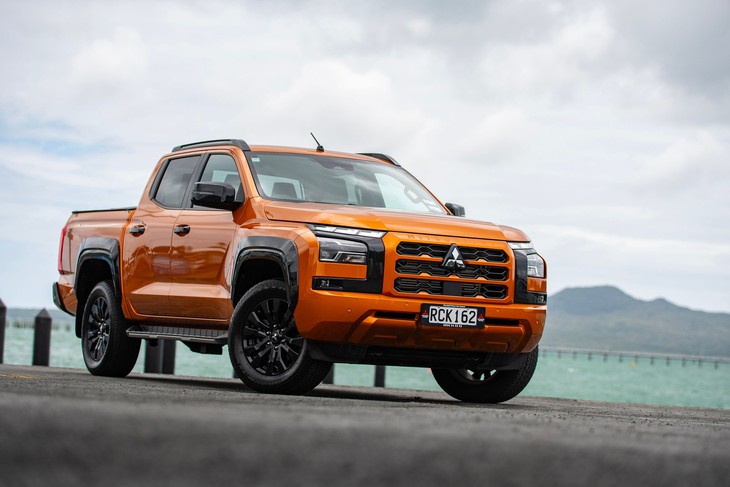
Mitsubishi Motors has officially acknowledged widespread user feedback regarding the sensitivity of its advanced driver-assistance systems (ADAS) currently deployed in the Triton pickup truck, marking a pivotal moment in the manufacturer’s commitment to refining its active safety technology. The company has announced that it is not only implementing software updates for the existing Triton fleet but is also incorporating significant modifications to the warning protocols in the forthcoming Pajero model to ensure a more seamless and less intrusive driving experience.
The core issue stems from the Driver Monitoring System (DMS), a sophisticated suite of safety technologies that was introduced as a cornerstone feature in the latest generation of the Mitsubishi Triton, which debuted in the Australian and Southeast Asian markets in early 2024. While these systems are designed to enhance occupant protection and mitigate the risks of driver fatigue, a significant volume of consumer complaints and critical media reports have emerged, citing excessive "false positive" alerts. Drivers have reported that the system frequently issues audible and visual warnings during short instances of looking away from the road, or when the driver is wearing polarized sunglasses, leading to what many have described as a frustrating and distracting driving experience.
The Evolution of the Safety Suite
The Triton represents Mitsubishi’s inaugural global platform to feature this integrated suite of active safety technologies. When the vehicle was first launched, the inclusion of a comprehensive monitoring system was heralded as a major technological leap for the brand, placing it in direct competition with high-end SUVs and luxury vehicles. However, the gap between the intended functionality of the technology and the practical reality on the road became apparent within the first six months of the vehicle’s deployment.
Automotive journalists and test pilots from industry-leading outlets, such as the Australian publication Drive, conducted extensive trials shortly after the vehicle’s release. Their findings corroborated the complaints from the public: the warning chime, while intended to be a helpful nudge, was perceived as overly sensitive and prone to activation in non-critical situations. This led to a consensus that while the underlying hardware was sound, the software calibration was not adequately tuned to the diverse realities of daily commuting.
In response to these findings, Mitsubishi accelerated its internal development process, releasing an initial software update within six months of the model’s launch. While this patch succeeded in reducing the overall frequency of the alerts, it did not fully resolve the underlying issue. Consequently, the engineering team returned to the drawing board to conduct a more fundamental recalibration, which is now being integrated into the 2026 production cycle of the Triton. This latest update aims to refine the system’s focus and simplify the user interface, allowing for a more intuitive process for disabling or adjusting the feature, thereby granting the driver greater agency.
Strategic Adjustments for the New Pajero
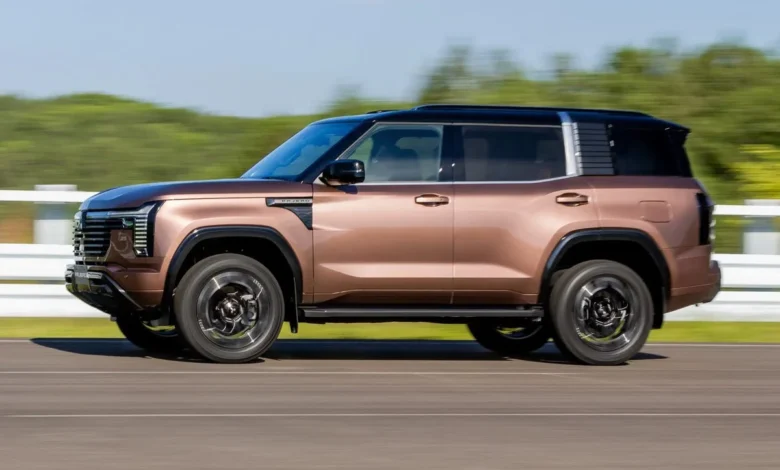
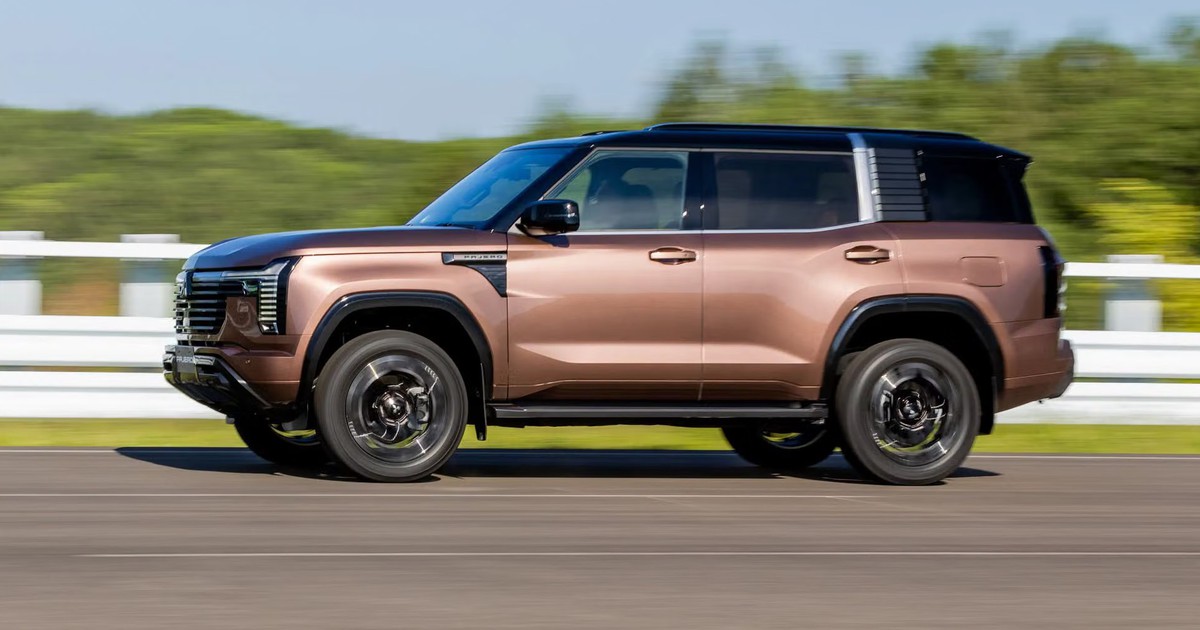
The lessons learned from the Triton rollout have been directly applied to the development of the upcoming Mitsubishi Pajero. The new Pajero, which shares its core architecture and platform foundation with the Triton, has undergone a comprehensive review of its driver-assistance philosophy.
Kunitoshi Itagaki, the lead product expert responsible for the Pajero project, recently shared insights with international media outlets regarding the company’s shift in strategy. Itagaki emphasized that Mitsubishi has taken the feedback from the Triton user base as a vital learning opportunity. During the developmental phase of the new Pajero, the engineering team systematically re-evaluated the entire human-machine interface (HMI). The objective was to strip away unnecessary interruptions and ensure that the vehicle only intervenes when a genuine safety threat is detected.
Takaaki Matsumoto, the chief engineer overseeing the Pajero, provided further technical clarification. He noted that while the physical sensors and the underlying sensing hardware remain consistent with those used in the Triton, the "judgment logic"—the algorithm that determines when an alert should be issued—has been completely overhauled.
"We are moving toward a more nuanced approach," Matsumoto stated. "On the Triton, we had situations where the system would trigger a full-scale alarm for a minor lapse in attention. With the Pajero, we have designed the system to utilize the vehicle’s central display to provide subtle, non-intrusive notifications for low-level alerts, reserving the audible chime only for genuine, high-priority safety concerns."
This design shift is expected to significantly improve the cabin environment, reducing the "alert fatigue" that currently plagues many modern vehicles equipped with similar safety mandates.
Expanding the Technological Horizon
The new Pajero will not simply be a refined version of the Triton’s safety suite; it is slated to introduce several advanced features that are currently absent from the pickup line. Among these is a more sophisticated steering assist system capable of direct, proactive intervention. While the Triton already utilizes electric power steering—a prerequisite for advanced lane-keeping technologies—the Pajero will feature a more refined integration that allows for smoother, more natural corrections.
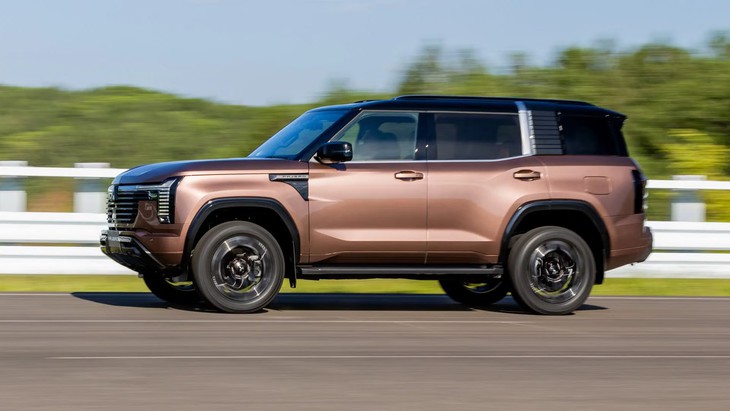
Furthermore, the Pajero is expected to feature a "Front Cross Traffic Alert" system, designed to detect vehicles approaching from both sides at intersections or roundabouts. This feature is particularly crucial for large, high-riding vehicles where visibility can sometimes be obstructed by surrounding infrastructure.
From a regulatory standpoint, the Pajero is being developed to meet the increasingly stringent safety standards set by the Australasian New Car Assessment Program (ANCAP) for 2026 and 2027. These requirements are significantly more rigorous than the criteria that were in place when the Triton achieved its five-star rating in 2024. Mitsubishi’s decision to test the Pajero in diverse environments, including Japan, Europe, South Korea, and the United States, suggests a global ambition for the vehicle. The primary focus in these varied markets is to ensure that the driver-assistance systems are localized to handle different road conditions and driving habits, rather than applying a "one-size-fits-all" software calibration.
Analysis of Implications
The situation with the Triton and the subsequent correction for the Pajero highlights a broader challenge currently facing the automotive industry: the balance between safety compliance and the user experience. Regulatory bodies worldwide are increasingly mandating the inclusion of driver monitoring and lane-keeping systems. However, manufacturers are finding that the transition from traditional driving to semi-autonomous intervention is not always seamless.
Mitsubishi’s proactive admission of the issue and its commitment to a hardware-agnostic software solution suggests a maturing approach to automotive technology. By acknowledging that an "over-active" system can actually decrease safety by causing driver distraction and irritation, the company is positioning itself to lead in the development of more "human-centric" ADAS.
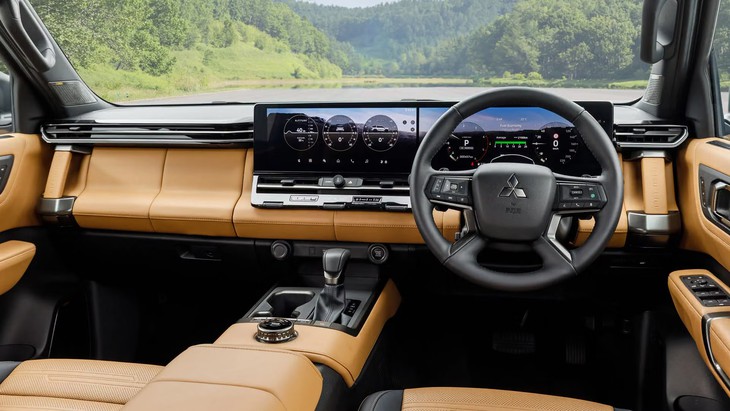
For current Triton owners, the release of the updated software is a welcome development. It confirms that the manufacturer is listening to consumer data and is willing to invest in post-purchase support to improve the vehicle’s longevity and usability. For prospective Pajero buyers, the announcement provides reassurance that the model will arrive with a more mature, battle-tested suite of technologies.
As the industry moves toward higher levels of autonomy, the ability to calibrate these systems effectively will become a key differentiator for brands. Mitsubishi’s journey with the Triton and Pajero demonstrates that innovation is not just about the introduction of new technology, but the iterative process of refining it until it serves the driver, rather than complicating their journey. The outcome of this effort will likely set a new benchmark for how the company manages the complex relationship between software-driven safety and driver comfort.