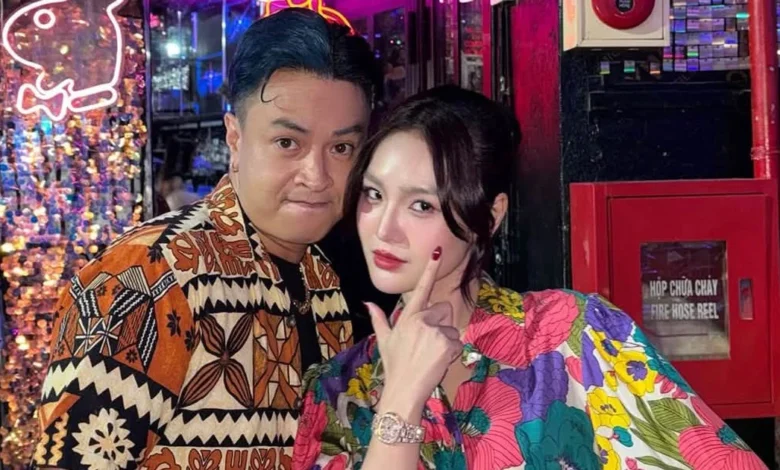
The landscape of Vietnamese television drama is currently witnessing a remarkable shift in audience preference, with supporting characters often eclipsing their lead counterparts in popularity and cultural impact. A prime example of this phenomenon is unfolding in the acclaimed VTV series Mùa hè năm ấy (That Summer), where the characters Long and Thủy—initially perceived as peripheral or subdued figures in the narrative’s first installment—have captured the imagination of viewers nationwide. Portrayed by seasoned actors Lý Chí Huy and Cố Thuý Trà, this dynamic duo has transformed into the beating comedic and emotional heart of the show’s second season, driving discussions across social media platforms and fundamentally altering the audience’s engagement with the broader storyline.
Evolution from Background Roles to Narrative Anchors
To fully understand the weight of Long and Thủy’s current popularity, one must examine their trajectory across the two-season structure of Mùa hè năm ấy. In the inaugural season, the narrative primarily orbited around the core conflict of the primary characters. Set approximately a decade prior to the present timeline, the plot established Thủy as a promising dance academy student and the object of affection for the male lead, Khánh. Long was introduced subsequently as a romantic interest for Thủy, characterized largely as a carefree youth lacking serious ambition.
The first season’s tension culminated in a violent confrontation that left Long severely injured and Khánh wrongfully imprisoned for two years, taking the fall for another character, Phương. This dramatic arc cast Long and Thủy in supporting, often reactive roles, functioning primarily to catalyze the suffering and moral dilemmas of the protagonists. Their screen time was measured, and their narrative purpose was largely functional rather than exploratory.
However, the passage of a decade in the narrative timeline for season two introduced a complete reconfiguration of relationships and personal circumstances. The core group of friends is now reunited under mature, albeit complicated, conditions. Long and Thủy have transitioned into husband and wife, functioning within a tight-knit circle that treats one another as siblings. While the central quintet continues to grapple with lingering rivalries, long-standing misunderstandings, and fresh tribulations, Long and Thủy have emerged as steadfast allies to Khánh. Their presence acts as a narrative ballast, effectively diffusing the heavy, claustrophobic atmosphere that frequently dominates the primary dramatic arcs.
The Chemistry of Comedy and Cringe-Worthy Charm
The resurgence of Long and Thủy is largely attributed to the clever writing of their dialogue and the magnetic execution by Lý Chí Huy and Cố Thuý Trà. On social media networks such as Facebook and TikTok, viewers have rapidly popularized specific running jokes and memorable lines delivered by the couple, transforming them into viral internet memes.
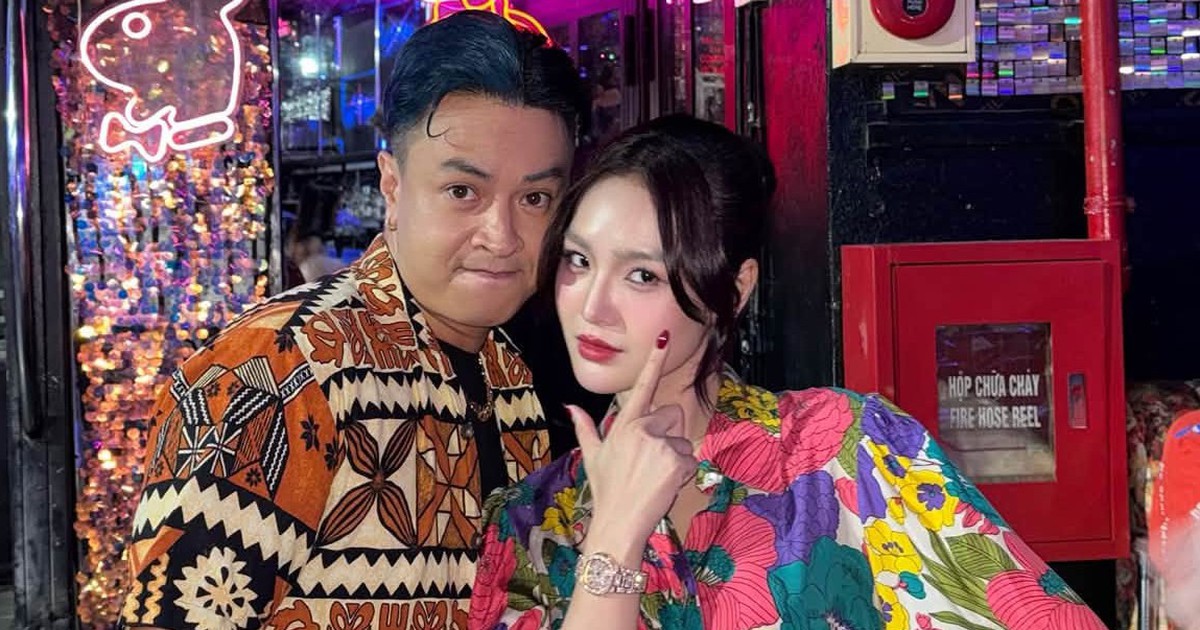
Long’s character, defined by his quick wit and self-deprecating humor, has delivered numerous lines that have resonated deeply with contemporary audiences. Notable examples include his deadpan declarations: "I am Long, my sense of humor is as crooked as a rainbow, but my loyalty is absolute," and his sarcastic reprimand to friends, "I think you should stop chewing. If you live well, you burn out the calories; if you live poorly, you burn through your savings." Another widely circulated piece of dialogue features Long quipping, "You have years of experience sitting there smiling, yet you block my view of the scenery with your own."
Similarly, Thủy has commanded attention through her dry, deadpan delivery of absurd news. Her blunt announcement to Long ahead of an impending pregnancy—stating simply, "I’m pregnant, and you’re the father"—has been lauded by critics and fans alike as a masterclass in subverting traditional melodramatic tropes.
Audience reactions online reflect a universal sentiment of affectionate amusement. Comment sections across official broadcasting pages frequently feature remarks such as, "Thủy and Long were quiet as mice in part one, but they are carrying the entire show on their backs in part two," and "They are the ultimate saviors of this drama; without their comic relief, the heavy emotional toll of the main plot would be unwatchable." This critical and popular consensus highlights a broader trend in television consumption: audiences increasingly reward multidimensional, grounded character writing that mirrors the absurdities of everyday life over flawless, idealized protagonists.
Character Profiles and Performance Analysis
Behind the breakout success of Long and Thủy are two distinct performers whose backgrounds and acting methodologies have contributed significantly to the roles’ authenticity.
Lý Chí Huy, born in 1985 and an alumnus of the prestigious Hanoi Theatre and Cinema University, brings a wealth of institutional training and industry experience to the character of Long. With a notable filmography that includes Nhà trọ Balanha (Balanha Lodging), Chúng ta của 8 năm sau (We of 8 Years Later), Hướng dương ngược nắng (Sunflowers Against the Sun), Lối nhỏ vào đời (The Small Path to Life), Đấu trí (The Mindset), and Gió ngang khoảng trời xanh (Wind Across the Blue Sky), Lý Chí Huy has cultivated a reputation for versatility.
In Mùa hè năm ấy, the actor deliberately avoids the trap of playing a one-dimensional comic relief figure. By balancing Long’s quick-witted, slightly cynical verbal sparring with a profound, unwavering devotion to his wife, Lý Chí Huy constructs a layered portrait of modern marital loyalty. The juxtaposition of Long’s sharp tongue and soft heart provides a distinct texture to the second season, ensuring the character remains memorable rather than caricatured.
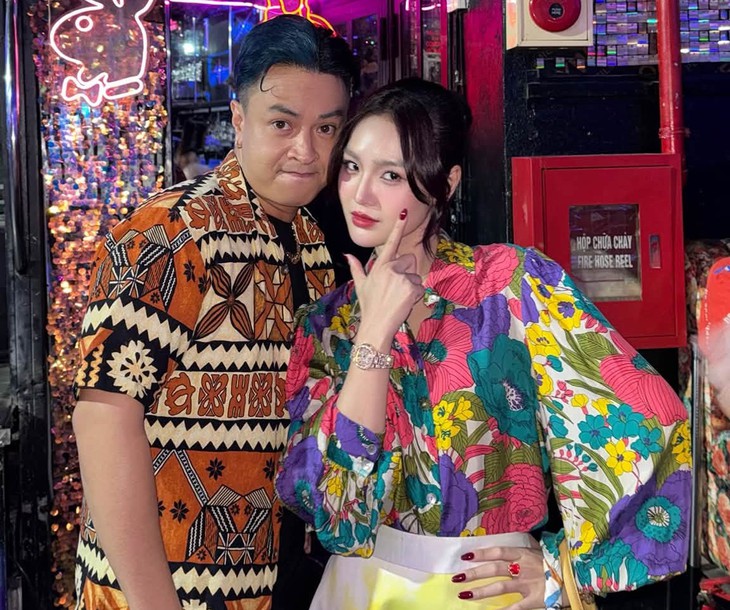
Conversely, Cố Thuý Trà, born in 1999, represents a newer wave of talent within the Vietnamese entertainment industry. Prior to establishing herself as a dependable television actress, she navigated the competitive landscape through commercial modeling and appearances in music videos. Although she lacks formal, traditional theatrical training, Cố Thuý Trà has steadily built a diverse resume with notable performances in Chúng ta của 8 năm sau, Những nẻo đường gần xa (Near and Far Roads), Gặp em ngày nắng (Meeting You on a Sunny Day), and the recent thriller Lừa trắng (White Deceit).
Stepping into the role of Thủy, Cố Thuý Trà demonstrates an intuitive grasp of comedic timing and emotional restraint. Observers and critics have noted her continuous artistic progression, emphasizing that Thủy’s aesthetic, styling, and behavioral traits align seamlessly with the actress’s natural screen presence. Fan commentary frequently celebrates her effortless transition into the role, with many declaring her casting as an ideal match that elevates the domestic scenes of the series.
Broader Implications for Contemporary VTV Dramas
The unexpected ascendance of supporting characters like Long and Thủy in Mùa hè năm ấy—broadcast regularly in the prime-time slot of 20:00 from Monday to Wednesday on VTV3—offers valuable insights into the shifting priorities of television production and viewer reception in Vietnam.
For years, prime-time melodramas produced by Vietnam Television have relied heavily on high-stakes family conflicts, romantic triangles, and intense emotional trauma to retain viewer retention. While these structural elements remain effective for driving plot progression, audience fatigue with relentless misery has become increasingly palpable. The insertion of grounded, witty, and mutually supportive secondary couples serves a vital balancing function. It relieves narrative tension, prevents viewer burnout, and provides a relatable entry point for younger demographics who consume television simultaneously with social media commentary.
Furthermore, the viral success of Lý Chí Huy and Cố Thuý Trà underscores the changing economics of television promotion. In the digital age, a character’s resonance is no longer solely dictated by screen time or promotional billing, but by their capacity to generate cultural artifacts—memes, shareable quotes, and relatable relationship dynamics—that circulate independently of the broadcast schedule. As production teams evaluate audience engagement metrics, the breakout success of Mùa hè năm ấy’s secondary leads may well influence future casting and character development strategies across the industry, proving that authenticity, humor, and organic chemistry remain the most potent tools for capturing the public consciousness.
Related posts: