Ho Chi Minh City Accelerates Key Projects, Residents Cooperate in Land Clearance for Construction

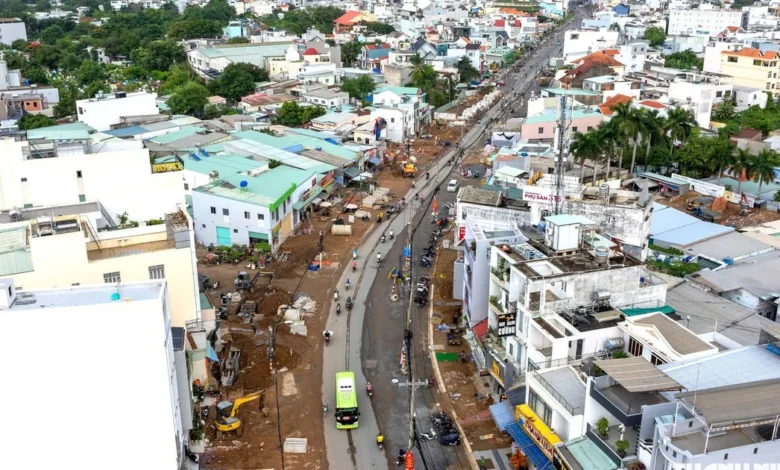
Ho Chi Minh City is witnessing a significant surge in development activity, with a renewed focus on accelerating key infrastructure projects. This intensified pace of construction, particularly in land clearance efforts, plays a crucial role in shaping the urban landscape of Vietnam’s bustling southern metropolis. The successful execution of these projects hinges on the cooperation of residents and the efficient resolution of land acquisition issues, paving the way for much-needed urban renewal and connectivity improvements.
Expanding "Death Traps": Addressing the Growing Congestion and Safety Concerns on Nguyen Duy Trinh Street
Nguyen Duy Trinh Street, a vital artery connecting to Cat Lai Port in Ho Chi Minh City, has long been a source of anxiety for residents. The constant stream of heavy container trucks navigating its lanes has transformed the street into a notorious "death trap," a moniker born from the frequent accidents that have plagued the area for decades. The cacophony of roaring engines and the sight of overturned vehicles have become grimly familiar to the local populace.
Among those bracing for the inevitable impact of upcoming land acquisition is Ms. Duong Thi Hang, a 59-year-old resident. Her concern is palpable, not just for the displacement but for the disruption of her livelihood. Her modest home, spanning over 70 square meters, has been the family’s sanctuary since 1975. This dwelling is more than just a place of residence; it is the primary source of income for her family, with the family’s small business operating from the front of their house for many years. The prospect of relocation looms large, and Ms. Hang articulates her anxieties: "This house is not just where we live; it’s also our means of survival after we move. I’ve lived near this intersection for over 50 years. Now, I’m just hoping that when the demolition happens, the authorities will consider compensating us with a place in a resettlement area, preferably near a main road where we can continue our business. I’m getting old, and if I have to move deep into a remote area, I don’t know how I’ll make a living."
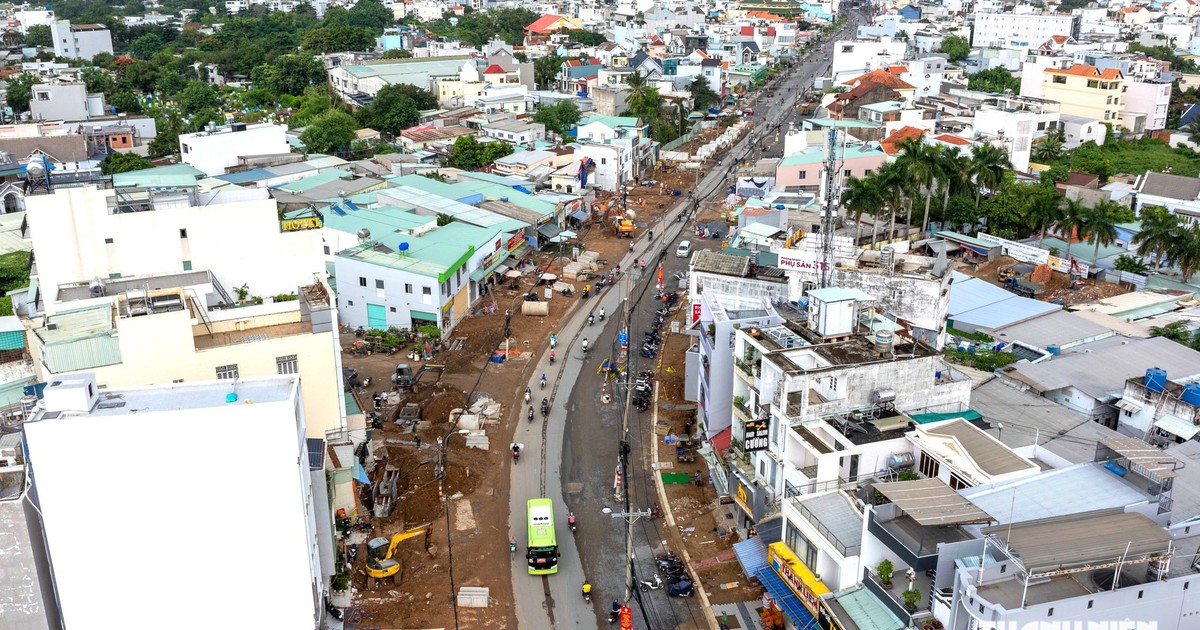
Her plight is echoed by many others along the bustling street. Mr. Hoang Trung Quynh, 58, whose two-story house is located nearby, also anticipates relocating from the front portion of his property. For years, living on Nguyen Duy Trinh Street, he has been a firsthand witness to numerous near-misses and collisions between container trucks and motorcycles right outside his doorstep. "Two container trucks driving side-by-side is extremely dangerous. This road is a death trap; accidents are very common. We all hope this road will be widened soon," he stated, reflecting the widespread sentiment for infrastructural improvement.
Mr. Quynh shares the sentiment of many residents regarding fair compensation. He hopes that the land clearance process will result in a property valuation that aligns with the actual market value of the land. For the remaining land after acquisition, residents are eager to proceed with construction and obtain legal titles for their properties, ensuring long-term housing security.
Accelerating Progress: The Strategic Expansion of Nguyen Duy Trinh and Nguyen Thi Dinh Roads
The current land clearance efforts are part of a larger strategic vision to upgrade and expand key arterial roads, significantly enhancing connectivity and traffic flow within Ho Chi Minh City. The planned upgrade of Nguyen Duy Trinh Street, from Do Xuan Thanh to its junction with Phu Huu Industrial Park, aims to widen the road by 30 meters. This ambitious undertaking necessitates the acquisition of approximately 73,000 square meters of land, impacting close to 300 households. The estimated investment for this project exceeds 1,858 billion VND, with compensation and resettlement costs accounting for over 1,500 billion VND of the total budget.
Mr. Le Ngoc Dung, Chairman of the People’s Committee of Long Truong Ward, assured that land prices are determined according to specific land categories and locations, with efforts made to consult residents throughout the compensation and resettlement process. The ward has also invited representatives from affected households to participate in compensation negotiations.
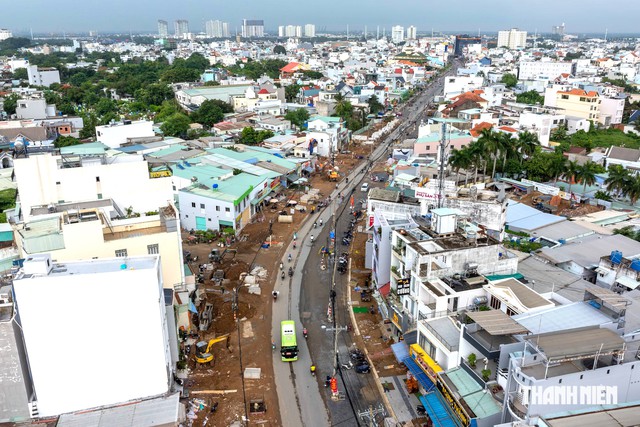
Mr. Dung further clarified that the compensation package is considered fair, taking into account the land’s value and location. For any remaining land, residents will be able to proceed with construction. The ward authorities are working diligently with all households to facilitate the handover of land and are liaising with the Ho Chi Minh City People’s Committee to secure compensation for displaced residents, prioritizing those living in close proximity to the project. "The ward is committed to upholding regulations and protecting the legitimate rights and interests of the residents in this development project," Mr. Dung affirmed.
The project timeline is aggressive, with site clearance expected to be completed by September 15th. The approval of the compensation plan is slated for December 2026, and the handover of cleared land to investors is anticipated by the end of March 2027.
Transformation Underway: Success Stories from the Nguyen Thi Dinh Intersection
While Nguyen Duy Trinh Street is just beginning its land clearance journey, the Nguyen Thi Dinh intersection, a key point on Nguyen Thi Dinh Street (connecting to the My Thuy intersection), is already showcasing the tangible results of completed land acquisition. As of July 2026, construction sites within the project scope are actively being cleared, and numerous sections of road are being widened.
Mr. Mai Quoc Tuan, 59, a resident of Cat Lai Ward, shared his experience. His family had three houses affected by the project, with a total land acquisition of 120 square meters. The compensation for this land amounted to over 3.7 billion VND. "We know that the current land compensation rates are lower than the investment costs for developing industrial zones. However, if the road is widened, my children will have a better future. Our family is one of the first to hand over our land," Mr. Tuan stated.
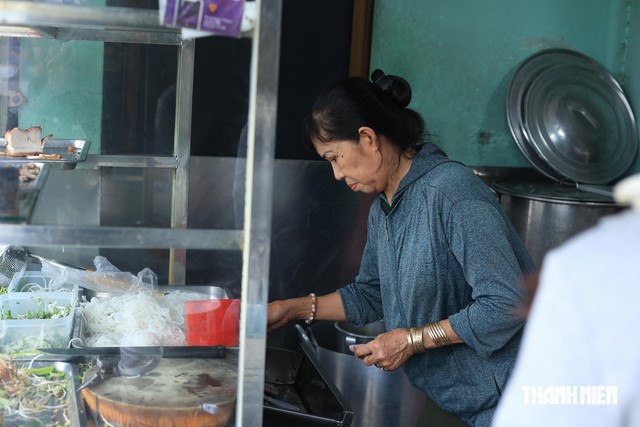
He added that the early handover of land will allow his family to promptly clear their affected structures and rebuild a three-story house on the remaining portion of their land, approximately 60 square meters. This expedited process will prevent prolonged periods of living in cramped conditions and ensure greater stability. "Life is more stable now. I still drive my vehicle, and although my income is only sufficient, it’s better than the uncertainty and potential dangers before. I feel the decision made was very right," Mr. Tuan remarked.
Ms. Pham Ngoc Thao Giang, Deputy Head of the Office of the People’s Council and People’s Committee of Cat Lai Ward, highlighted that the 100% land handover is a testament to the successful negotiation and consensus-building efforts with hundreds of affected households. The project to upgrade and widen Nguyen Thi Dinh Street, a section of the Nguyen Thi Dinh – My Thuy intersection, has impacted 360 households, with compensation costs nearing 1,300 billion VND. The compensation rates for this area are significantly higher, with the Nguyen Thi Dinh section experiencing the highest rates, exceeding 90 million VND per square meter. Households in this segment received the highest compensation, totaling nearly 19 billion VND.
Meanwhile, the My Thuy intersection project has affected 199 households, with compensation costs amounting to 1,616 billion VND. Households here received substantial compensation, with the highest amount reaching over 77.7 billion VND for a total acquired area of 7,171 square meters. In both projects, residents were provided with resettlement housing in the same ward.
Mr. Vo Tan Quan, Chairman of the People’s Committee of Cat Lai Ward, acknowledged that the projects have spanned many years, undergoing numerous policy adjustments and revisions concerning land compensation and resettlement. There have been instances where local authorities had to engage in multiple rounds of negotiation with residents and businesses to reach an agreement and achieve consensus. The transition to a two-tier municipal and district-level administrative system, despite bringing about significant changes and an increased workload, has not deterred the ward from its commitment to resolving outstanding land issues and mitigating delays.
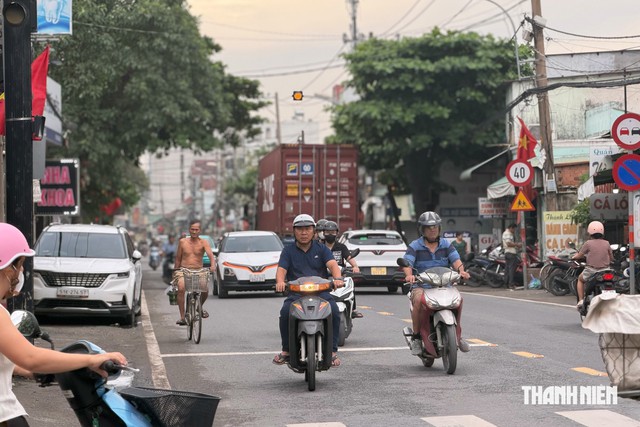
"Many households still face challenges, and it’s not easy to persuade them to prioritize the common good and proceed with land handover. It is this spirit of solidarity and cooperation from our residents that has been the decisive factor in the success of the land clearance work and the facilitation of these development projects," Mr. Quan stated.
Supporting Residents Amidst Development: Ensuring Stability for Displaced Households
Representatives from the Cat Lai Ward People’s Committee emphasized that while the land handover for these projects is complete, the ward’s responsibilities are far from over. Some households are currently constructing new homes in resettlement areas, while numerous administrative procedures and land use rights certificates are still being processed.
Drawing from their experience, the Cat Lai Ward People’s Committee stressed the crucial role of community engagement in land clearance. They highlighted the importance of leveraging the influence of local leaders and utilizing communication and advocacy to foster dialogue and find solutions. The compensation process must be transparent and adhere strictly to legal regulations, ensuring the protection of residents’ legitimate interests. For projects that have extended over long periods, continuous engagement between relevant authorities is necessary to identify and resolve issues promptly, preventing them from impeding overall progress.
The land clearance process is also being managed meticulously for complex technical infrastructure. Ward authorities, relevant agencies, and investors must maintain close coordination to resolve any technical challenges immediately, preventing them from affecting the overall development timeline.