Elon Musk of China: How a 13-Year-Old Prodigy in Hangzhou is Blazing a Trail in Artificial Intelligence and Coding

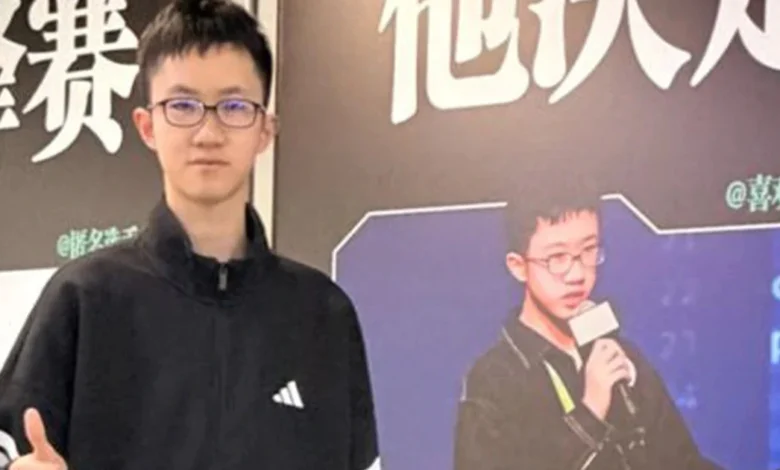
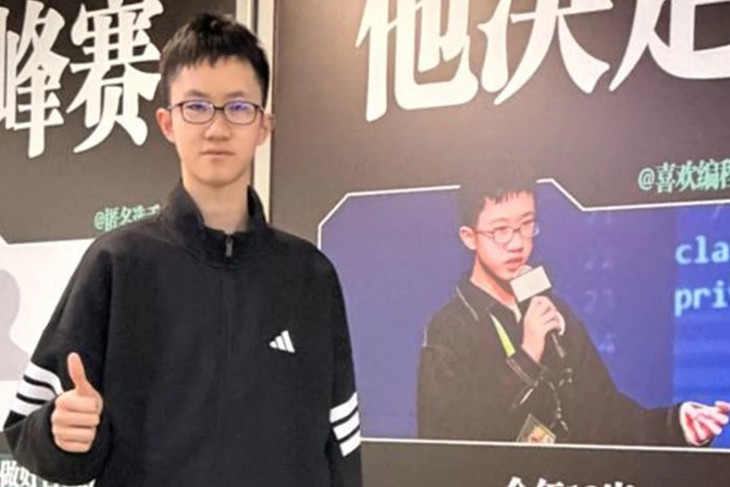
In the bustling tech hub of Hangzhou, located in China’s eastern Zhejiang province, a 13-year-old middle school student is rapidly capturing the imagination of the global technology community. Named Yang Xizhe, this young prodigy has transcended the typical boundaries of adolescence by seamlessly integrating artificial intelligence (AI) and advanced computer programming into his everyday life. With over half a million followers on social media and a growing reputation in competitive programming circles, Yang has earned the moniker "China’s future Elon Musk." However, behind the hyperbolic titles and viral videos lies a deeply focused, self-taught developer determined to leave an indelible mark on the digital world.
The Rise of a Digital Native
Yang’s journey into the public eye began in February of the previous year, when a video demonstrating his innovative method of overcoming English vocabulary hurdles went viral, garnering an astounding 20 million views. Rather than relying on rote memorization or traditional flashcards, the young student leveraged conversational AI platforms, specifically the Doubao chatbot. By taking photos of difficult English words, feeding them into the chatbot, and prompting the AI to craft personalized stories and targeted exercises utilizing those specific terms, Yang transformed language acquisition into an interactive, creative process.
This viral moment was not a fleeting fluke but rather a glimpse into a sophisticated understanding of how large language models and human cognition can intersect. As generative AI continues to reshape industries worldwide, Yang views the technology not as a novelty, but as an essential utility for his generation—comparing its ubiquity and necessity to something as fundamental as drinking water.
Conquering the Competitive Hackathon Circuit
Moving beyond social media influence, Yang quickly transitioned into the high-pressure world of hackathons—intensive coding competitions where multidisciplinary teams race against the clock to build and pitch functional technology products. Despite being significantly younger than his competitors, Yang has consistently stood out on the podium.
His debut competitive project was a sophisticated computer vision system designed to assist visually impaired individuals while navigating clothing stores. This innovative solution earned his team first place at the Moonshot 48 Hackathon. Building upon this success, Yang and his team participated in the prestigious HackMIT China 2026 event. Their smart emotional health companion—a device integrating computer vision and AI sensors to provide personalized nutritional advice and help parents monitor children’s dietary habits at school—secured the coveted "Best Pitch Award" and a top-tier ranking in a highly competitive field.
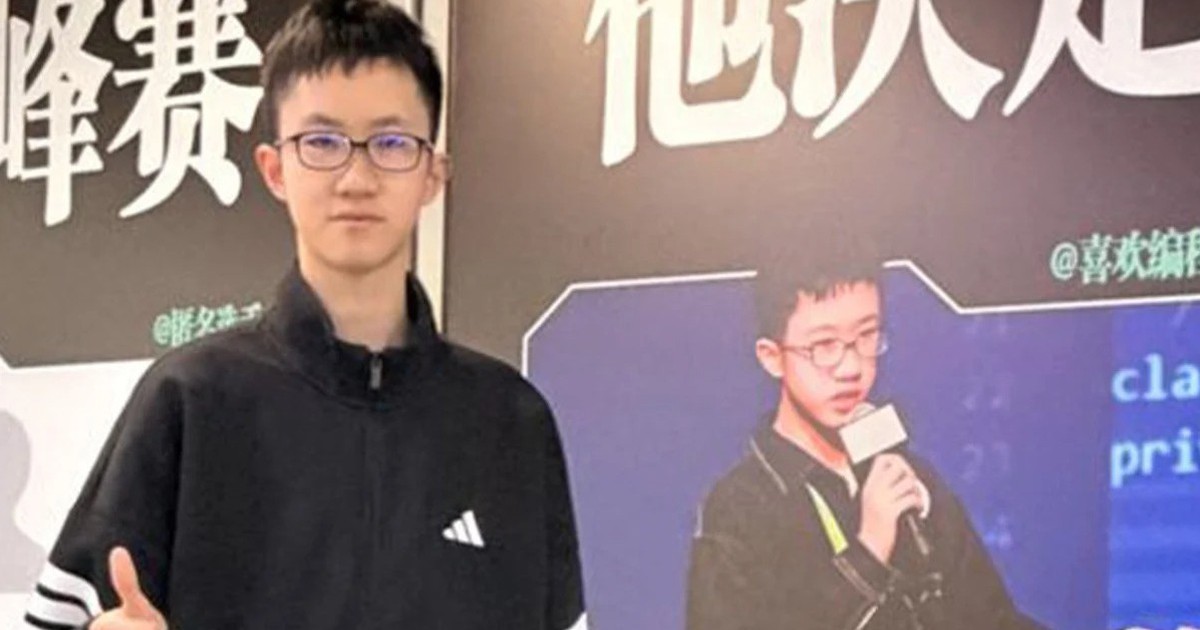
By April, Yang was no longer just a participant; he was a team leader. He spearheaded a competitive group with an average age of just 13 at a hackathon organized by the prominent social media platform RedNote. The team developed an advanced AI tool capable of predicting and optimizing content for digital creators. The solution not only won a special recognition award but also attracted an immediate commercial acquisition offer of 100,000 Chinese yuan (approximately $15,000 USD) from an enterprise interested in commercializing the tool.
Early Beginnings and Self-Taught Mastery
Yang’s passion for programming was first ignited in the second grade. After playing the critically acclaimed video game The Legend of Zelda, he was not content with merely consuming digital entertainment; he wanted to build his own interactive worlds. Driven by this curiosity, he embarked on a rigorous path of self-directed learning.
Without formal institutional training, Yang mastered the C++ programming language and embraced modern paradigms such as "vibe coding"—a development style that combines natural language prompts with AI assistance to accelerate software creation. This autodidactic approach allowed him to bypass traditional educational bottlenecks, enabling him to build complex software architectures long before entering high school.
Behind Yang’s meteoric rise is a supportive and grounded family environment. According to reports from the regional publication Dushi Express, neither of Yang’s parents possesses a professional background in information technology or computer science. Nevertheless, recognizing their son’s profound enthusiasm, they actively educated themselves about artificial intelligence to support his endeavors, fostering an environment where curiosity is nurtured rather than stifled.
Navigating Fame and the "Elon Musk" Moniker
As his digital footprint expanded, influential figures within China’s tech sector began taking notice, bestowing flattering titles upon the teenager, including "prodigy" and "the future Elon Musk." Despite the heavy praise and online adulation, Yang and his family maintain a remarkably modest and grounded demeanor, brushing off extravagant comparisons with humility.
When asked about his long-term aspirations, Yang remains steadfastly focused on technological contribution rather than personal celebrity. Whether he ultimately pursues a career as a professional software engineer or an advanced AI researcher, his overarching goal is clear and uncompromising: "If possible, I hope to create even a small change for the better in this world."
The Broader Implications of Youth-Led Tech Innovation
Yang Xizhe’s emergence is emblematic of a broader cultural and educational shift currently underway in China and across the globe. As artificial intelligence tools become more accessible, the barrier to entry for software development and technological innovation has plummeted. Young minds are no longer constrained by the traditional timelines of education, where coding was once reserved for university undergraduates or postgraduate researchers.
Industry analysts note that the rise of "vibe coding" and intuitive AI interfaces is democratizing creation. Children who grow up interacting natively with large language models view AI not as a black box, but as a collaborative partner. This paradigm shift suggests that future technological revolutions may be driven increasingly by younger demographics who possess an intuitive grasp of human-AI collaboration unburdened by legacy technological paradigms.
Furthermore, Yang’s commercial success at age 13 highlights the growing commercial viability of youth-led innovation. Venture capitalists and tech enterprises are increasingly scouting hackathons and online platforms for unconventional talent, recognizing that fresh perspectives often yield disruptive solutions to persistent societal and commercial challenges.
Looking Ahead: The Horizon of AI and Programming
As Yang continues his education in Hangzhou, the global tech community watches with keen interest. His trajectory offers a compelling case study in the potential of unstructured, passion-driven learning facilitated by modern AI ecosystems.
While the pressures of public attention and competitive environments pose unique challenges for a teenager, Yang’s steadfast commitment to software development and his articulate vision for his future suggest a maturity that belies his chronological age. Whether he becomes the next titan of the technology industry or a foundational researcher in artificial intelligence, Yang Xizhe has already demonstrated that the future of technological innovation belongs to those who dare to build, regardless of when they started.
Related posts: