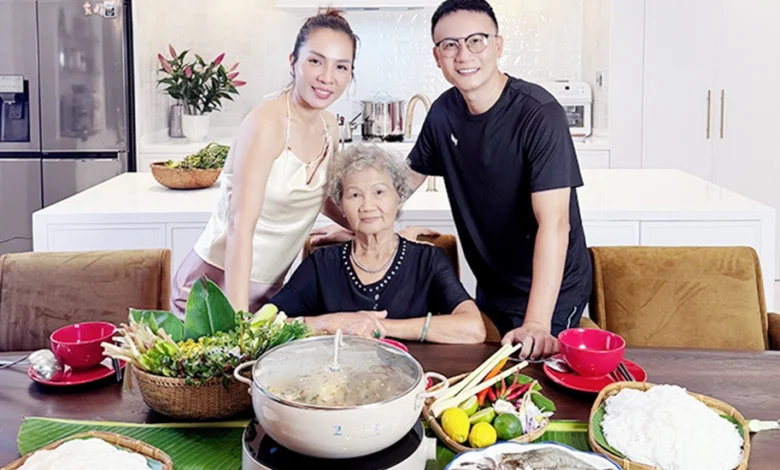
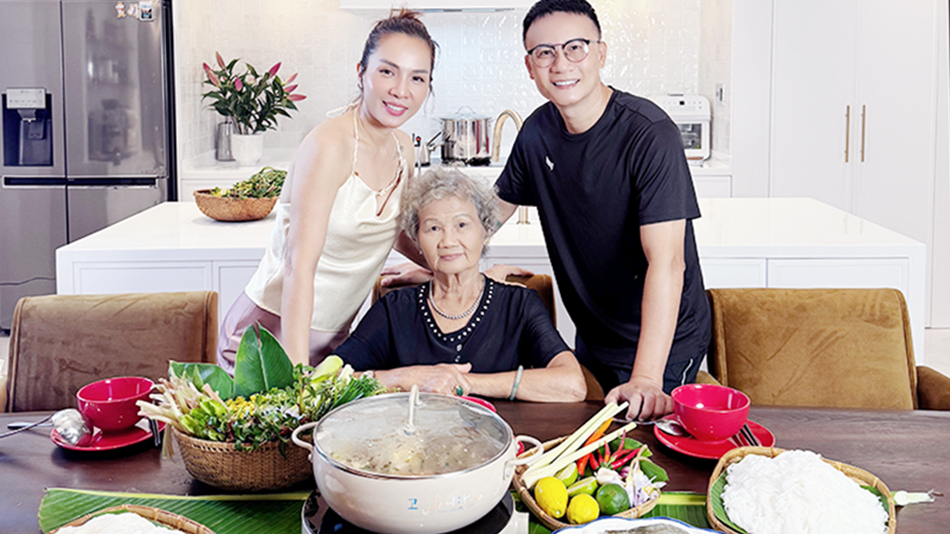
Thanh Thảo, the spouse of well-known Vietnamese singer Hoàng Bách, recently shared an intimate glimpse into her family life by preparing an authentic Mekong Delta specialty—"lẩu mắm" (fermented fish hotpot)—to treat her mother-in-law during a weekend gathering. This culinary gesture highlights the bridge between cultural traditions and family bonding, as the couple navigates the intersection of Northern heritage and Southern regional cuisine.
The Art of Authentic Mekong Delta Cuisine
Lẩu mắm is a complex dish that requires meticulous preparation, balancing the pungent, earthy notes of fermented fish with the freshness of seasonal aquatic vegetables. For Thanh Thảo, the preparation was more than just a meal; it was a sensory journey back to her roots.
The essential components of the dish include a rich, aromatic broth derived from simmering mudfish and linh fish (Siamese mud carp), filtered thoroughly to remove bones and debris. Unlike recipes that rely heavily on refined sugar, Thảo employs a traditional method, using fresh coconut water to achieve a natural, balanced sweetness that complements the saltiness of the fermented fish.
The dish is served with an extensive array of locally sourced flora, including "bông súng" (water lily stems), "điên điển" (sesbania sesban flowers), "rau nhút" (water mimosa), and "cá tím" (eggplant). These ingredients, often harvested from the wild, define the rustic charm of the Mekong Delta. Additionally, the inclusion of pork belly—pre-sautéed with aromatics like lemongrass, minced chili, garlic, and shallots—adds a layer of texture and depth that elevates the broth to its signature spicy and savory profile.
Culinary Integration and Family Dynamics
The act of serving this dish to her mother-in-law, who hails from Northern Vietnam, serves as a testament to the cultural integration within the Hoàng Bách household. Despite the stark differences between Northern culinary traditions and the bold, pungent flavors of the South, the feedback was reportedly positive. According to Thảo, her mother-in-law, tasting the Mekong specialty for the first time, expressed genuine appreciation for the complexity and flavor profile of the dish.
This culinary exchange reflects a broader trend among modern Vietnamese families, where regional identities are celebrated and shared, fostering intergenerational connection through the preservation of traditional recipes.
Biographical Context: The Couple’s Trajectory
Thanh Thảo, 43, was once a prominent figure in the Hoàn Vũ modeling club in Ho Chi Minh City. Following her marriage to Hoàng Bách in 2006, she made a conscious decision to step away from the limelight, focusing instead on business ventures and the stewardship of their family life. The couple currently resides in a 500-square-meter villa in the Nam Sài Gòn district, a property that has often served as a backdrop for their family-oriented lifestyle.
Hoàng Bách, 46, a native of Nam Định, carries a significant musical legacy. Born into a family with deep ties to the arts, he rose to national prominence in the early 2000s as a member of the acclaimed vocal group AC&M. Following the group’s dissolution, he successfully pivoted to a solo career, often incorporating themes of domesticity and family life into his work, such as the 2015 album 30+, Tôi muốn về nhà! (30+, I want to go home!) and the 2019 music video Mình già đi cùng nhau (Let’s grow old together).
In recent years, Hoàng Bách has transitioned from a high-frequency stage performer to a producer, focusing on creative projects that celebrate sports and community, such as his works Những bước chân của rừng and Chiều nay ra sân.
The Significance of Traditional Gastronomy in Modern Media
The sharing of home-cooked meals by public figures has become a significant phenomenon in contemporary Vietnamese media. By documenting the preparation of labor-intensive dishes like lẩu mắm, celebrities like Thanh Thảo bridge the gap between their public personas and their private, domestic identities.
From an analytical perspective, this trend serves several purposes:
- Cultural Preservation: By highlighting traditional cooking methods, public figures help ensure that regional specialties are not forgotten by younger, urbanized generations.
- Relatability: It humanizes celebrities, framing them as stewards of family values, which is highly regarded in Vietnamese society.
- Economic Impact: The promotion of regional ingredients often spurs interest in local markets and agricultural products, supporting small-scale farmers and vendors who supply these niche herbs and fish.
Chronology of the Couple’s Public and Private Evolution
- 2000–2005: Hoàng Bách gains fame with the group AC&M, while Thanh Thảo is an active participant in the fashion and modeling circuit in Ho Chi Minh City.
- 2006: The couple marries, marking a transition period where Thảo shifts focus toward private business and family management.
- 2015: Hoàng Bách releases 30+, Tôi muốn về nhà!, signaling a shift toward more introspective, family-focused musical themes.
- 2019: The couple continues to maintain a high-profile yet grounded public image, with their Nam Sài Gòn residence frequently becoming a hub for family-centric content.
- 2024–2025: The couple maintains their status as one of the most stable and respected families in the Vietnamese entertainment industry, characterized by their focus on lifestyle, wellness, and culinary traditions.
Analysis of Societal Implications
The intersection of Northern and Southern cultures in the Vietnamese household is a microcosm of the country’s modern social fabric. The "integration of palates"—where the fermented intensity of the South is embraced by the subtle, balanced preferences of the North—mirrors the broader assimilation of diverse regional backgrounds in urban centers like Ho Chi Minh City.
Furthermore, the emphasis on "home-cooked" quality in the face of rapid urbanization and the proliferation of fast-food culture underscores a collective desire to maintain ancestral links. Culinary practices act as a primary mechanism for this preservation. When a public figure like Thanh Thảo prepares a meal that requires extensive sourcing and time-consuming preparation, it sends a message of commitment to heritage, resonating deeply with a public that values familial dedication.
Conclusion
The weekend meal prepared by Thanh Thảo is more than just a headline-worthy event; it is an illustration of the evolving nature of the Vietnamese family unit. As Hoàng Bách and Thanh Thảo continue to balance their individual professional ambitions with their shared domestic responsibilities, their commitment to traditional practices—such as cooking regional specialties—remains a cornerstone of their identity.
For the public, these moments provide a window into a life where the fast-paced nature of the entertainment industry is tempered by the deliberate, slow-cooking process of traditional, regional cuisine. As the couple continues to influence their audience through their creative work and lifestyle choices, their dedication to preserving the cultural nuances of Vietnam ensures that these traditions remain vibrant and relevant for future generations.