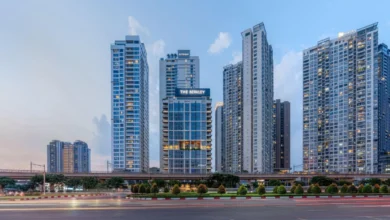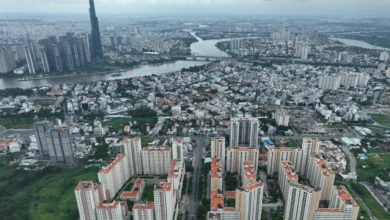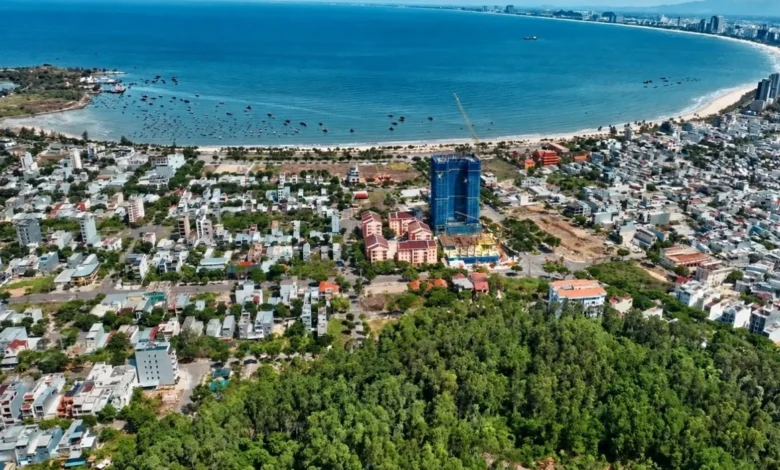
Urban real estate development in emerging coastal destinations is undergoing a paradigm shift, moving away from short-term exploitation toward sustainable value creation that respects local topography, community lifestyles, and long-term ecological balance. This evolution is particularly evident in high-profile coastal markets like Da Nang, where developers face the intricate challenge of leaving a positive, enduring mark on the urban fabric. As cities expand and land values appreciate, the decisions made today by real estate leaders dictate the architectural and cultural landscape for decades to come.
The Evolution of Coastal Real Estate and Urban Planning
For decades, coastal real estate development followed a straightforward playbook: maximize immediate proximity to the coastline, build high-density structures quickly, and capitalize on speculative surges. However, as urban centers mature, this rapid-extraction model often strains local infrastructure, degrades natural ecosystems, and creates uniform concrete landscapes that lack cultural authenticity.
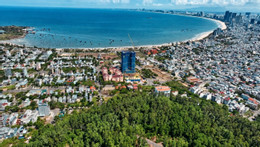
Modern urban planners and visionary developers now recognize that true value lies in integration rather than imposition. In special topographical zones—such as peninsula regions where mountains meet the sea and urban commerce—projects must be meticulously woven into the existing environment. A building may take only a few years to construct, but its visual, ecological, and social impact on a city’s skyline can persist for half a century or more. Consequently, the responsibility of real estate developers has expanded from merely supplying square footage to actively shaping the next chapter of regional identity.
MBLand’s Strategic Entry into Da Nang’s Peninsula Market
Entering a mature and highly competitive market like Da Nang presents a unique set of challenges for a national developer. Rather than simply adding another duplicate product to an already saturated inventory, a newcomer must identify the subtle gaps in the market to carve out a distinctive identity. Backed by nearly two decades of industry expertise, robust financial capabilities, and a reputation for excellence, MBLand has chosen the Son Tra district as the launchpad for its strategic expansion into the central Vietnamese market.
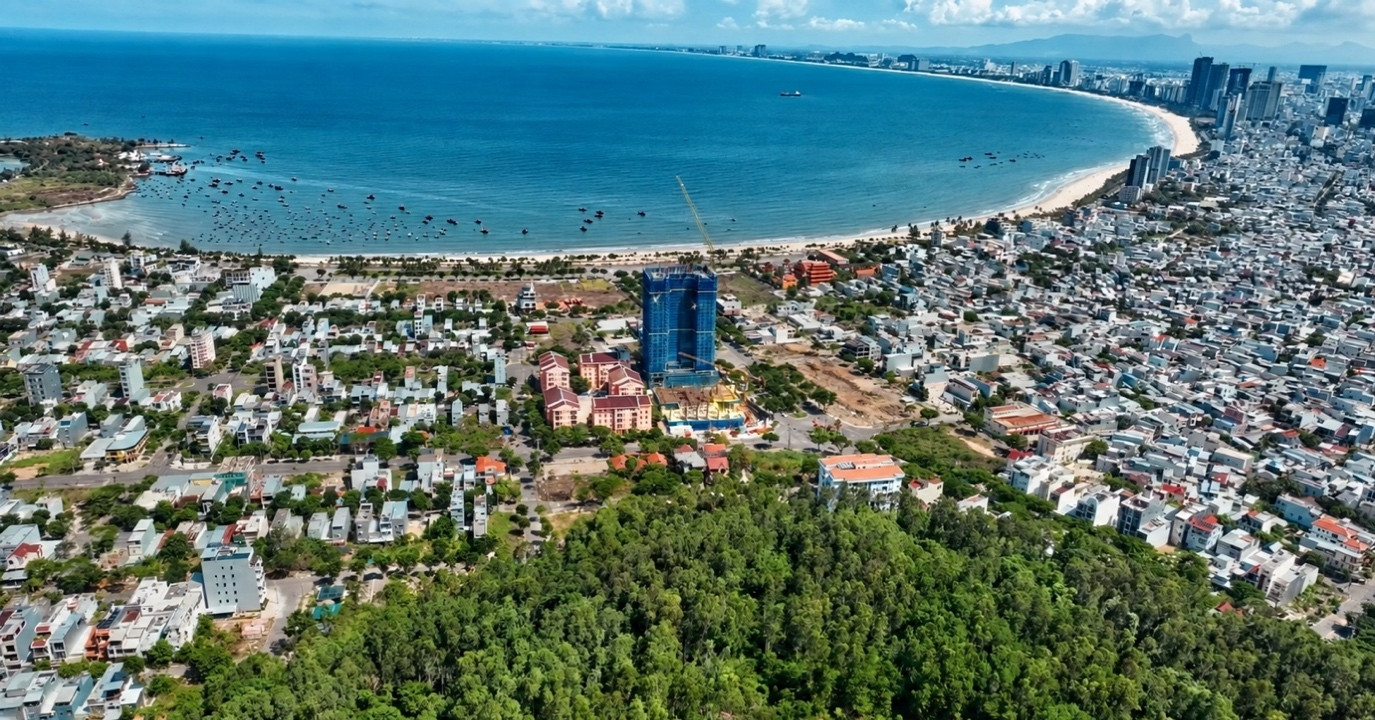
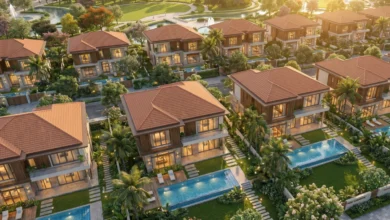
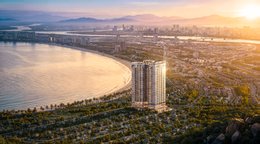
MBLand’s vision for the region is encapsulated in its flagship development, The Camellia Son Tra – Da Nang. Drawing inspiration from the camellia flower—a universal symbol of elegance, purity, and enduring vitality—the project aims to establish a living space with a distinct personality. It seeks to harmonize the tranquil, natural essence of Son Tra with the vibrant, dynamic rhythm of modern Da Nang city life.
Prime Location and Connectivity: Bridging Nature and Urban Pulse
Strategically positioned at the intersection of Le Van Luong and Le Duc Tho streets in Son Tra Ward, The Camellia Son Tra – Da Nang occupies a rare geographic sweet spot. The location bridges natural sanctuaries with bustling metropolitan infrastructure, offering residents an enviable balance between accessibility and seclusion.
According to project planning metrics, residents can access key landmarks within minutes:
- Under 4 minutes: Son Tra Peninsula, My Khe Beach, Vincom Son Tra, Linh Ung Pagoda, local schools, shopping centers, and essential daily utilities.
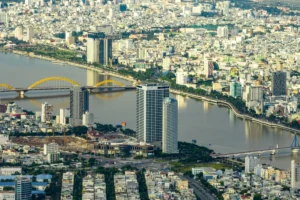
- 10 to 12 minutes: The iconic Dragon Bridge, Han River Bridge, the municipal administrative center, and the venue for the Da Nang International Fireworks Festival (DIFF).
- 20 minutes: Da Nang International Airport.
This calculated positioning solves a common dilemma for urban dwellers who typically must choose between the convenience of city living and the peace of nature. At The Camellia Son Tra – Da Nang, residents enjoy seamless connectivity to professional and commercial hubs while remaining just moments away from the restorative embrace of the ocean and mountains after a busy workday.
Holistic Design Philosophy and Comprehensive Amenities
To translate its architectural and environmental vision into reality, MBLand has structured the project around four foundational wellness pillars: Wellness, Nature, Community, and Everyday Living. These pillars govern every aspect of the project, from preventative health care spaces and biophilic landscape design to family-oriented common areas and community engagement zones.
Green corridors, shaded relaxation pockets, and communal gathering spaces are seamlessly integrated into the daily routines of residents. Rather than treating amenities as superficial selling points, the developer has focused on utilitarian value that enhances everyday convenience, comfort, and long-term psychological well-being.
Furthermore, MBLand has assembled an elite consortium of domestic and international partners specializing in design, architecture, engineering, property management, and finance. Each partner manages a specific domain to ensure uncompromising structural integrity, refined spatial aesthetics, and world-class post-occupancy property management standards. This collaborative approach ensures that the high values established on the drawing board are preserved throughout the operational lifecycle of the property.
Market Reception and Strong Initial Sales Performance
The market response to The Camellia Son Tra – Da Nang has validated MBLand’s meticulous planning and development strategy. During the initial official sales launch, the project achieved an exceptional milestone, with 98% of Phase 1 residential units successfully booked. This high conversion rate reflects robust consumer demand and strong confidence in MBLand’s inaugural footprint in the Da Nang property market.
Industry analysts attribute this rapid absorption rate to a combination of competitive pricing, strategic positioning, and flexible financial policies. With entry prices starting from VND 1.72 billion per unit, the project lowers the barrier to entry for discerning homeowners and investors seeking premium coastal real estate.
To facilitate acquisition, MBLand has introduced accommodating financial solutions, including:
- Bank loan support of up to 70% of the apartment’s value.
- A grace period of up to 18 months with zero principal and interest payments, or an interest-only payment structure extending up to 3 years.
- Early payment and payment-milestone discounts ranging from 2% to 13%.
- A waiver of management fees for the first 12 months post-handover.
Broader Economic and Urban Implications
The success of projects like The Camellia Son Tra – Da Nang signals a broader maturation of Vietnam’s regional real estate sectors. As secondary and tertiary cities like Da Nang experience rapid urbanization, municipal authorities and developers are increasingly aligned on the necessity of sustainable, high-quality growth.
By prioritizing ecological integration, architectural longevity, and community-centric master planning, developers are setting a new benchmark for future projects across central Vietnam. The ability to balance commercial viability with environmental stewardship will likely remain the defining metric of success for real estate enterprises navigating the next decade of urban transformation in coastal Indochina.