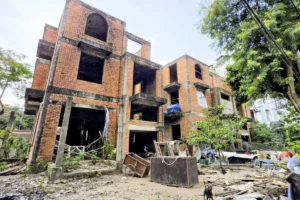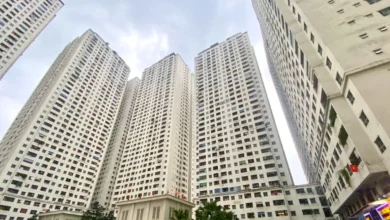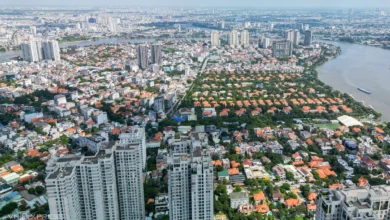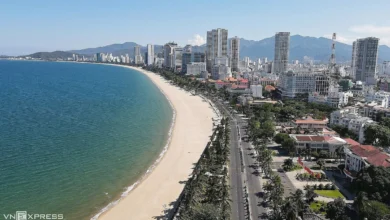
The Vietnamese real estate market is poised for a significant rebound in the final quarter of the year, with projections indicating the introduction of approximately 30,300 new housing units. This anticipated surge represents a dramatic 145% increase compared to the 12,357 units launched during the third quarter, signaling a potential shift in momentum for developers and investors alike. According to the latest data from DXS-FERI (Dat Xanh Services – Financial and Economic Research Institute), this robust pipeline is expected to be concentrated primarily in the southern regions, reflecting a broader national effort to stimulate transaction activity before the close of the fiscal year.
A Chronology of Market Fluctuations
The current outlook for the fourth quarter arrives following a period of pronounced contraction in the third quarter. Market data reveals that the 12,357 units released in the previous quarter marked a 40% decline compared to the second quarter and a 54% drop year-on-year. This volatility has been characterized by high interest rates, cautious consumer sentiment, and a tightening of credit access for both developers and homebuyers.
However, the industry is now entering a phase of inventory replenishment. The transition from the third quarter’s lull to the fourth quarter’s expansion is being driven by the maturation of long-term development projects and a strategic push by major developers to meet annual sales targets. This shift is not merely a quantitative increase in supply but a calculated response to the clearing of regulatory hurdles that had previously stalled project launches throughout the mid-year period.
Geographical Distribution and Project Highlights
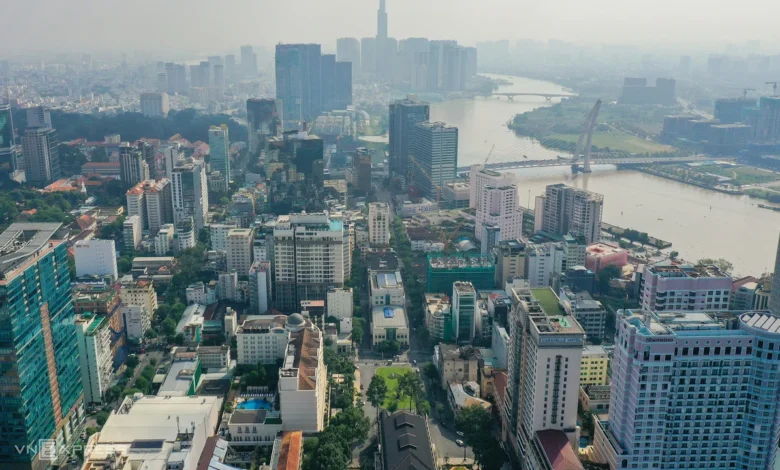
The southern region, led by Ho Chi Minh City and its surrounding provinces, is set to account for the largest share of the new supply. Projections suggest that approximately 16,900 units—or 56% of the national total—will be launched in the South. Key projects contributing to this volume include TT Genesis, Palm River, Imperia Sena Park, and subsequent phases of major developments such as The Global City, IKI Village, and Ansana by Kita. Furthermore, provinces such as Binh Duong, Dong Nai, Tay Ninh, and the city of Can Tho are expected to provide essential inventory to bridge the supply gap during the final months of the year.
The Northern market, anchored by Hanoi, Bac Ninh, and Hung Yen, follows as the second-largest contributor, accounting for roughly 8,000 units, or 26% of the total supply. Meanwhile, the Central region, specifically Da Nang and Khanh Hoa, continues to serve as a vital contributor, adding approximately 2,700 units (9%) to the national pool.
The Dominance of Large-Scale Urban Developments
High-rise condominiums and large-scale integrated townships remain the primary focus of the new supply. Major developers, including industry titans such as Vinhomes, Sun Group, Masterise Homes, and Ecopark, are spearheading these developments. This concentration of supply in large-scale projects reflects a strategic shift toward integrated living environments that offer comprehensive amenities, which are increasingly sought after by modern homebuyers.
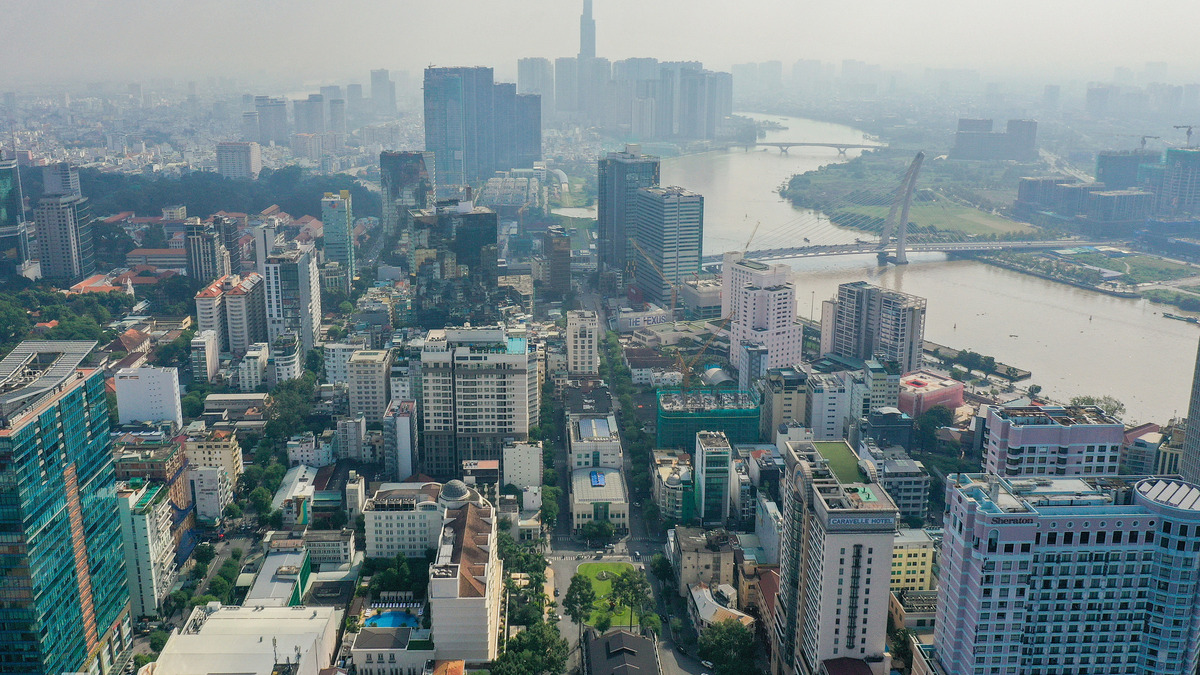
Data from Avison Young Vietnam corroborates this trend, noting that in the three core markets of Hanoi, Da Nang, and Ho Chi Minh City, the new supply of apartments is projected to reach approximately 13,500 units. Ho Chi Minh City remains the most active market, with between 10,000 and 12,000 units expected, while Hanoi and Da Nang are slated to add approximately 6,500 and 2,000 units, respectively. When accounting for the broader scope of upcoming project phases, this total could climb to 20,500 units, excluding existing inventory from previous cycles.
Market Sentiment and Consumer Caution
Despite the increase in supply, experts warn that volume alone does not guarantee liquidity. The Vietnam Association of Realtors (VARS) has projected that total transactions in the fourth quarter could reach 25,000 units, nearly doubling the figures from the third quarter. This optimism is supported by seasonal increases in home-buying demand toward the end of the year and the availability of social housing, which continues to address a critical segment of the market.
However, a fundamental change in buyer behavior has emerged. Today’s consumers are notably more cautious and discerning. They prioritize projects that satisfy immediate residential needs, possess clear legal status, and offer transparent pricing models. Products that rely solely on speculative price appreciation without clear utility or that are priced beyond the reach of the average consumer are expected to struggle in the current environment.
Analytical Perspectives on Future Performance
The absorption rate in the fourth quarter will depend heavily on the interplay between interest rates, supply quality, and actual demand. Financial experts suggest that projects with clear legality, favorable locations, reputable developers, and flexible payment policies will likely capture the majority of market share.
According to DXS-FERI, there are three potential scenarios for the remainder of the year:
- Baseline Scenario: A 20–30% increase in supply with stable prices and an absorption rate of 30–35%, assuming lending rates remain between 12% and 14%.
- Optimistic Scenario: A 30–40% increase in supply, a 5–10% rise in prices, and an absorption rate of 40–45%, provided interest rates decrease to the 10–12% range.
- Conservative Scenario: If interest rates climb to 14–16%, the absorption rate could fall below 20%, even if supply increases by 15–20%.
Implications for Stakeholders
The broader implication of this market shift is a professionalization of the sector. Developers are increasingly moving away from "build-and-hope" models toward data-driven development that aligns with the financial realities of the populace. For investors, the focus has shifted from short-term flipping to long-term value creation.
The role of social housing and mid-range condominiums cannot be overstated. As the government continues to refine policies to support affordable housing, developers who integrate these units into their master plans are likely to see more consistent success. Conversely, luxury projects that fail to provide distinct value-additions or sustainable long-term utility may find themselves in an increasingly crowded and competitive landscape.
In conclusion, while the fourth quarter holds promise for a significant uptick in market activity, the success of this period will be defined by the ability of developers to adapt to a buyer’s market. With higher transparency requirements and a sharper focus on value, the real estate sector is moving toward a more sustainable and equitable future. The recovery is not merely a matter of quantity, but a reflection of how effectively the market can align with the genuine needs of the people.
Related posts: