Vietnam unveils comprehensive national infrastructure master plan to drive digital transformation and economic growth

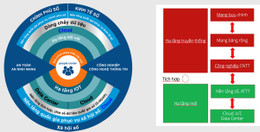
For the first time in its history, Vietnam has officially launched a comprehensive master plan for Information and Communications Technology (ICT) infrastructure, marking a pivotal shift in the nation’s strategic development. This long-term blueprint, extending to 2030 with a vision toward 2050, is designed to modernize the country’s digital backbone, harmonize regional development, and create a seamless, integrated environment for e-government, digital economy, and digital society. By aligning physical infrastructure with digital capabilities, the government aims to position Vietnam as a key player in the regional digital landscape, fostering innovation and enhancing global competitiveness.
The master plan represents a fundamental transition from traditional infrastructure models to a "digital-first" architecture. It emphasizes the integration of various components—telecommunications, data centers, digital platforms, and postal logistics—to form a resilient system capable of supporting a high-growth economy.
A New Strategic Vision for Digital Connectivity
The significance of this master plan lies in its holistic approach. Rather than addressing sectoral needs in isolation, the policy treats ICT as the fundamental infrastructure of the state, comparable in importance to transportation or energy networks. In the era of the digital economy, this infrastructure acts as the "circulatory system" for both physical goods and digital data.
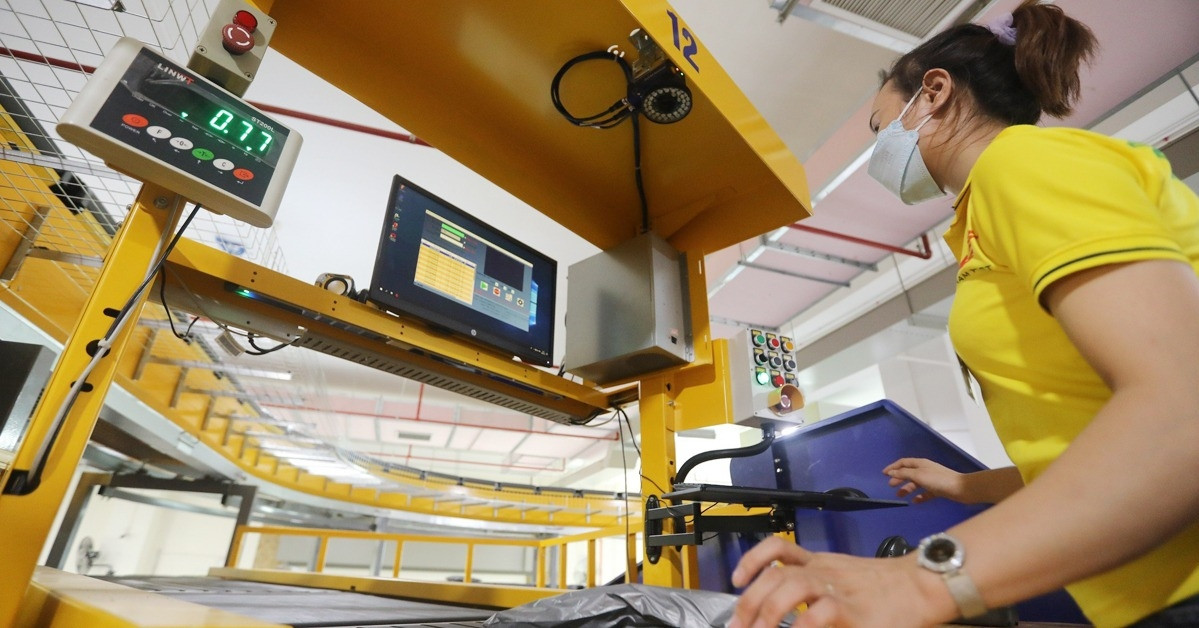
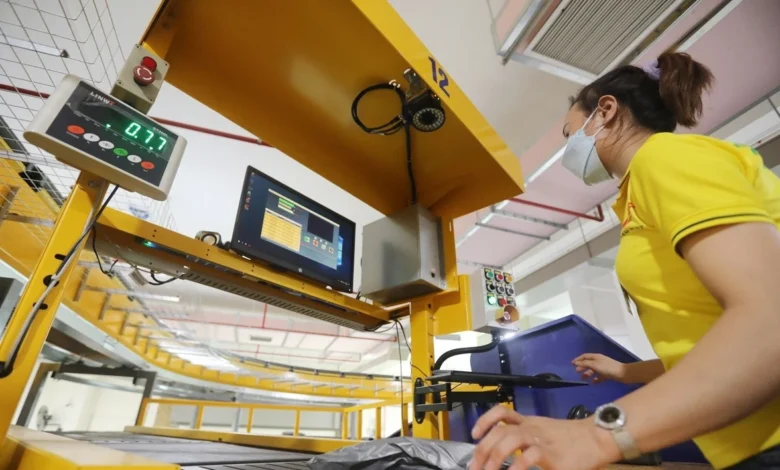
Central to this plan is the strategic upgrade of the postal and logistics sector. Historically, Vietnam’s postal network was extensive but fragmented, with various enterprises operating in silos. The new master plan mandates a shift toward a unified, technologically advanced logistics infrastructure that directly serves the burgeoning e-commerce market. By 2030, the government plans to establish between three and five regional postal centers, significantly increasing throughput capacity and reducing delivery times for both domestic and international shipments.
Chronology and Policy Evolution
The development of this master plan follows a series of government initiatives aimed at accelerating digital maturity. The journey began in earnest with the national digital transformation program, which identified connectivity and logistics as primary bottlenecks.
- 2020: The Ministry of Information and Communications (MIC) conducted a comprehensive review of existing postal infrastructure, identifying over 21,600 service points nationwide. However, the study revealed that these points lacked the technological integration necessary for modern e-commerce.
- 2021-2023: Drafting committees, in collaboration with major logistics players like Vietnam Post and Viettel Post, analyzed current market data and global benchmarks to design a more resilient, scalable model.
- February 23, 2024: The formal public announcement of the Master Plan for Information and Communications Infrastructure took place. During the ceremony, Deputy Minister of Information and Communications Phan Tam emphasized the urgency of scaling logistics infrastructure to meet the demands of a high-tech economy.
- 2025-2030: The implementation phase, focusing on regional hub construction, IoT integration, and the deployment of automated sorting systems.
Addressing the Logistics Gap
One of the most critical challenges identified in the master plan is the lack of synergy between the logistics sector and the broader digital infrastructure. For years, individual logistics providers developed proprietary networks, leading to inefficiencies and higher operational costs for businesses.
The new policy shifts the focus toward a "shared infrastructure" model. By encouraging the shared use of sorting facilities, automated warehouses, and data systems, the government expects to lower logistics costs—which currently remain a significant burden on the national economy—and improve the competitiveness of Vietnamese exports.
According to projections from the Institute of Information and Communications Strategy, the target for 2025 is to reach a processing capacity of 93,000 tons of mail and parcels per day. To achieve this, the plan mandates the creation of:
- Regional Hubs: 3 major centers with a processing capacity of over 11,000 tons per day, serving a 350-km radius.
- Zonal Centers: 14 regional nodes with capacities exceeding 4,500 tons per day, covering a 115-km radius.
These targets are not merely volume-based; they include strict performance benchmarks. The objective is to cap inter-provincial and international transit times at five days, while local delivery times are targeted for completion within 48 hours.
Official Perspectives and Stakeholder Engagement
The development process was characterized by intensive consultation between policymakers and industry leaders. Representatives from the Institute of Information and Communications Strategy confirmed that the drafting process involved rigorous analysis of global supply chain trends.
"The goal is not just to build more, but to build smarter," an official noted during a recent briefing. By integrating IoT-enabled devices, automated sorting, and advanced data analytics into the logistics flow, Vietnam aims to bridge the gap between physical goods movement and the digital information layer.

Vietnam Post, as a key state-owned entity, has been tasked with leading the deployment of these "smart" hubs. Industry experts suggest that the successful implementation of this plan will require private-sector collaboration, particularly in adopting AI-driven inventory management and blockchain for supply chain transparency.
Broader Economic Implications
The implications of this master plan extend far beyond the postal sector. By creating a standardized, high-capacity ICT environment, the government is lowering the barrier to entry for small and medium-sized enterprises (SMEs) to enter the e-commerce space.
- Reduced Operational Costs: By optimizing logistics routes and sharing infrastructure, businesses can significantly reduce their overhead, allowing for more competitive pricing.
- Enhanced Regional Integration: The focus on regional hubs ensures that rural and remote provinces are not left behind, effectively extending the benefits of the digital economy to every corner of the country.
- National Competitiveness: As Vietnam seeks to maintain its status as a manufacturing hub, a high-functioning digital and logistics infrastructure becomes a prerequisite for attracting high-value foreign direct investment (FDI).
- Resilience in Crisis: The master plan explicitly includes "contingency features" to ensure that supply chains remain unbroken during emergencies, such as natural disasters or public health crises.
Future-Proofing the Digital Society
The master plan is fundamentally an exercise in future-proofing. By focusing on "Make in Vietnam" digital technologies, the government aims to reduce reliance on foreign systems and build domestic expertise in hardware and software development.
The focus on the "digital citizen" remains a core tenet. The Ministry of Information and Communications has reiterated that the end goal of all infrastructure investment is to ensure that every citizen, regardless of their location, has reliable access to digital services at an affordable price.

As Vietnam enters this new phase of development, the success of the ICT master plan will likely depend on the government’s ability to maintain the momentum of regulatory reform and its capacity to manage the massive capital expenditure required for such large-scale infrastructure projects. The transition from a fragmented landscape to an integrated national ecosystem marks a decisive step toward Vietnam’s ambition to become a top-tier digital economy in Asia.
Conclusion
The unveiling of the ICT infrastructure master plan is a watershed moment for Vietnam. By providing a clear, long-term roadmap that synchronizes physical logistics with digital capabilities, the government is setting the stage for a new era of economic growth. As the nation moves toward its 2030 targets, the focus will shift from policy design to the tangible execution of regional hubs, the widespread adoption of AI in logistics, and the continuous improvement of service quality for the Vietnamese people. This comprehensive strategy not only addresses the immediate needs of the e-commerce sector but also lays the foundation for a sustainable, resilient, and highly competitive digital future.