Vietnam Retail Market Poised for Significant Expansion as International and Domestic Players Accelerate Investment Strategies

The Vietnamese retail sector is entering a period of robust transformation, with market projections indicating that the total value of goods and services is set to reach approximately $269 billion by the end of 2025. Of this total, the retail of goods alone is expected to account for roughly $205 billion. This growth trajectory reflects the strengthening of domestic consumption, a burgeoning middle class, and an increasingly sophisticated retail infrastructure that is attracting substantial interest from both regional and global industry leaders.
Recent data released by the Ministry of Industry and Trade highlights a dynamic landscape. In the first eight months of 2026, the total retail sales of goods and consumer service revenue reached 5.23 million billion VND, representing a 13.3% increase compared to the same period in 2025. Experts anticipate this momentum to continue, with a projected average annual growth rate of 10% to 12%. By 2030, the total retail market scale in Vietnam could reach $450 billion, cementing the country’s status as one of the most promising consumer markets in Southeast Asia, supported by a population exceeding 100 million people.
The Strategic Shift Toward Expansion
To capture this market potential, major retailers are aggressively scaling their operations. The landscape is characterized by a mix of rapid physical footprint expansion and the adoption of modern, multi-format retail models.
WinCommerce, the operator of the ubiquitous WinMart and WinMart+ chains, has set a highly ambitious target for 2026, aiming to open between 1,000 and 1,500 new stores. This expansion is designed to push their total network to approximately 6,100 points of sale nationwide. Similarly, Bach Hoa Xanh, a prominent player in the grocery sector, has initiated a "forward march" strategy, aiming to add 1,000 new locations annually starting in 2026 to solidify its presence in both urban and rural markets.
International retail groups are also re-evaluating their capital allocation for the Vietnamese market. Central Retail, the Thai retail conglomerate, has signaled its intention to invest approximately $1.5 billion between 2026 and 2028. This investment will focus on the development of 10 to 12 new commercial centers and GO! hypermarkets. Furthermore, the company plans to increase its network of "mini go!" stores by 23 to 25 locations during the same period, targeting smaller cities and provinces where modern retail penetration remains relatively low.
The Japanese Retail Influence: Aeon’s Aggressive Growth
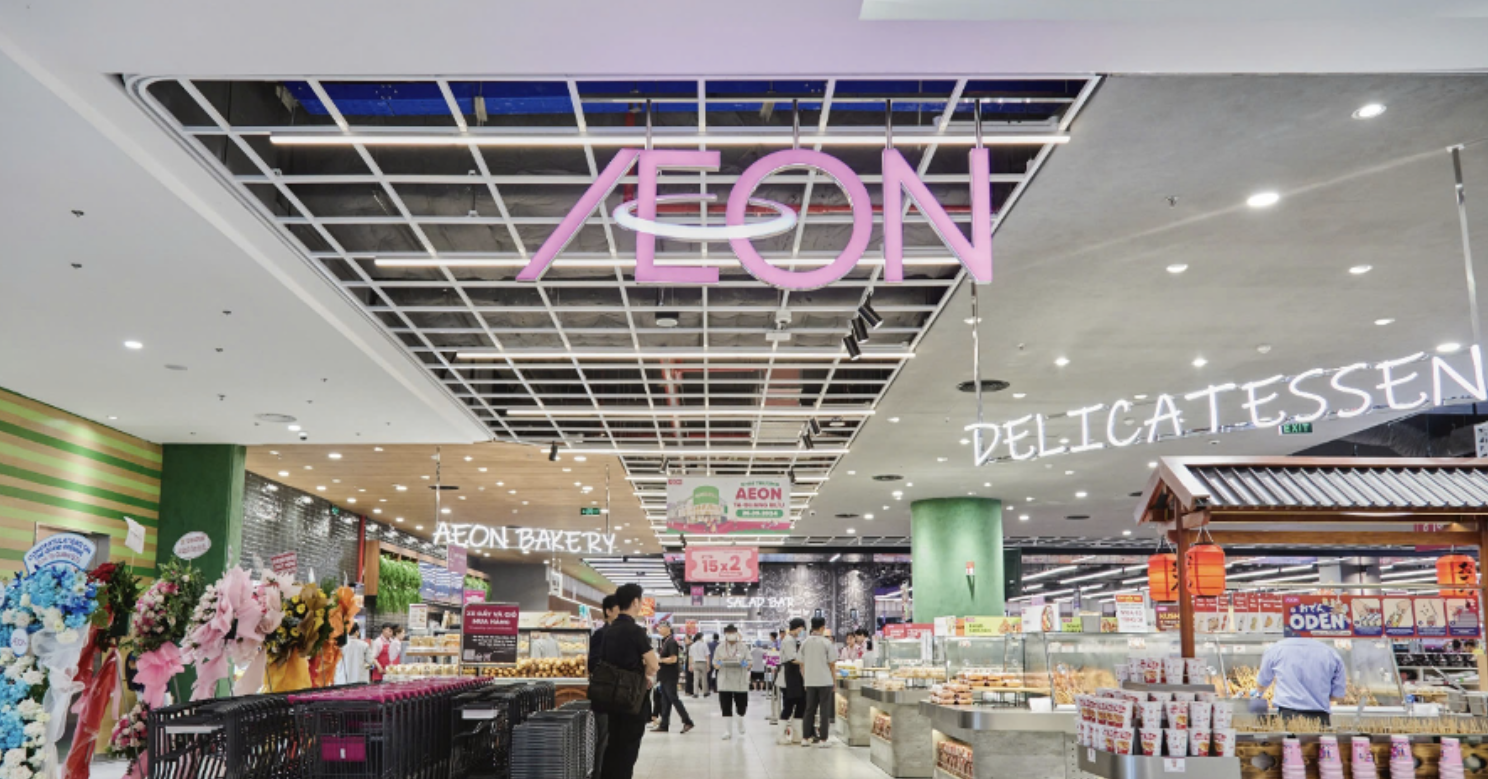
A significant driver of the current retail shift is the Japanese retail giant Aeon, which has accelerated its development pace in Vietnam. During a recent press conference regarding the opening of new shopping malls in Thanh Hoa and Ha Long, Isobe Daisuke, General Director of AeonMall Vietnam, characterized the current expansion as the fastest pace of development the company has seen in the country since entering the market in 2013.
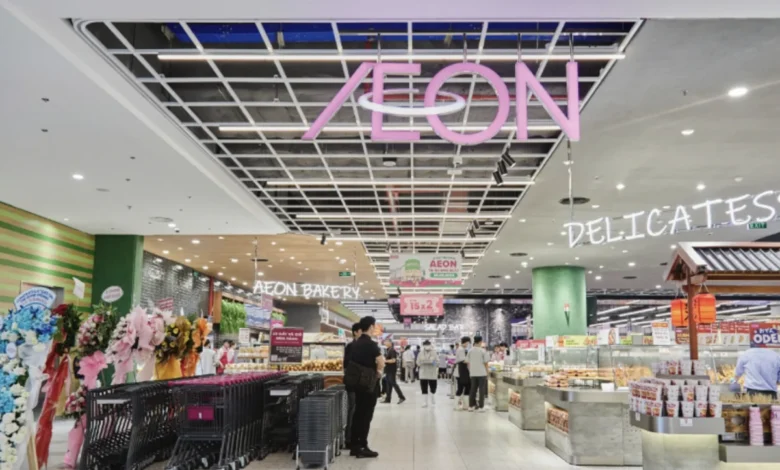
Aeon’s strategy involves not only the construction of massive "large format" shopping centers but also the integration of diverse retail models, including general merchandise stores, supermarkets, and convenience-oriented outlets. This diversification allows the group to maintain a presence in satellite urban areas while remaining responsive to the evolving consumption habits of the local population.
The success of these centers is backed by impressive foot traffic statistics. Aeon Mall Ha Dong, for example, consistently attracts approximately 10 million visitors annually. When measured against Aeon’s performance in Japan, the visitor numbers in Vietnam are significantly higher, indicating an exceptionally strong appetite for the integrated shopping, entertainment, and leisure experiences that these modern centers provide. As of late 2026, Aeon reported a 25% increase in purchase power compared to the same period in the previous year, a testament to the resilient consumer sentiment in the region.
Economic Implications and Supply Chain Integration
The rapid growth of the retail sector has profound implications for Vietnam’s domestic supply chain. Major retailers like Aeon have made explicit commitments to prioritize domestic products, with goals to have locally sourced goods account for 80% to 90% of their inventory in key food categories.
This commitment creates a mutually beneficial cycle: domestic producers gain access to a world-class distribution network, while retailers reduce logistics costs and increase price competitiveness. Furthermore, successful local products that meet Aeon’s rigorous quality standards are being integrated into the company’s global supply chain, creating opportunities for export to Japan and other regional markets.
Additionally, the rise of private label products—goods produced by domestic manufacturers specifically for retail brands—is helping to stabilize prices and improve the market position of local suppliers. By manufacturing within Vietnam, these companies can mitigate the risks of international shipping fluctuations and contribute to the overall resilience of the national economy.
Looking Toward 2030: Challenges and Opportunities
While the outlook for the Vietnamese retail market is overwhelmingly positive, the industry faces the challenge of digital transformation and the need to harmonize traditional and modern retail formats. As e-commerce continues to grow, physical retailers are increasingly adopting "omnichannel" strategies, blending physical showrooms with digital ordering and home delivery services.
The financial performance of these retailers serves as a bellwether for the broader economy. Aeon Vietnam, for instance, reported revenue of $624 million in 2025, a figure that is 2.5 times higher than the revenue generated six years prior. Projections for 2030 suggest that the company expects revenue to triple, with profit margins growing fourfold, reflecting the expected increase in the purchasing power of the Vietnamese middle class.
The entry and expansion of other international players, such as South Korean retailers who are increasingly sourcing Vietnamese agricultural products like pomelos for their global chains, further highlight the interconnected nature of modern retail. This trend suggests that Vietnam is not only a destination for retail investment but is also becoming a critical node in the global supply chain for consumer goods.
A Concluding Perspective on Market Maturation
The scale of investment currently flowing into the Vietnamese retail market—estimated in the billions of dollars over the next three to five years—is a clear signal of global investor confidence in the country’s macroeconomic stability. As the retail sector matures, the focus is shifting from simple store count expansion to the quality of the consumer experience, the sustainability of the supply chain, and the integration of technology.
For consumers, this translates into greater access to a wider variety of high-quality products at competitive prices. For the government and local policymakers, the retail boom presents an opportunity to modernize the distribution sector, create jobs, and foster a more efficient domestic economy.
Ultimately, the trajectory of the Vietnamese retail market through 2030 will be defined by how well these major players can adapt to the unique cultural and behavioral nuances of the Vietnamese consumer. With a young, tech-savvy population and an expanding urban middle class, the foundations for sustained retail growth are firmly in place. The next phase of development will likely be characterized by increased competition, further localization of supply chains, and the continued professionalization of the retail environment to meet international standards. As these large-scale investments come to fruition, Vietnam is set to solidify its position as a regional retail powerhouse, offering significant value to both domestic stakeholders and global investors.