
The intersection of dietary habits and longevity has long been a focal point of nutritional science, yet identifying specific food categories that correlate with mortality risk reduction remains complex. A recent comprehensive study, published in The Journal of Nutrition, has provided significant insights into this field by analyzing data from over 90,000 Japanese adults. The findings suggest that the specific types of fish and seafood consumed play a measurable role in determining life expectancy and health outcomes, particularly regarding cardiovascular and cerebrovascular diseases.
A Landmark Longitudinal Study in Japan
The research utilized data from a large-scale public health monitoring program conducted in Japan. Between 1995 and 1998, a cohort of 90,944 participants provided detailed information regarding their dietary intake. Participants completed extensive food frequency questionnaires that tracked the consumption of 138 different food items and beverages over the preceding year. This robust dataset allowed researchers to categorize intake into specific groups, including fish and shellfish, with a particular focus on those naturally rich in omega-3 fatty acids and those prepared without high levels of salt.
The health status of these participants was monitored over several years to evaluate the correlation between their reported dietary habits and mortality rates stemming from various causes, specifically focusing on cardiovascular diseases, including strokes.
The Nutritional Power of Omega-3 Rich Seafood
At the heart of the findings is the distinction between types of fish. Omega-3 fatty acids—specifically eicosapentaenoic acid (EPA) and docosahexaenoic acid (DHA)—are essential polyunsaturated fats that the human body cannot synthesize in sufficient quantities. These compounds are widely recognized for their anti-inflammatory properties, their role in maintaining arterial elasticity, and their protective effects on cognitive function.
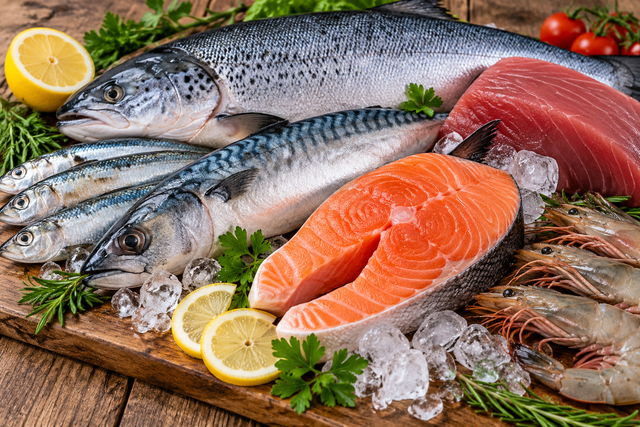
The study identified that specific varieties, such as salmon, mackerel, sardines, and skipjack tuna, are particularly beneficial. For female participants, the consumption of these fish was strongly associated with a lower risk of all-cause mortality. Furthermore, these women exhibited a decreased incidence of cerebrovascular-related fatalities, reinforcing the link between a heart-healthy diet and long-term survival.
Gender-Specific Health Outcomes and Observations
While the benefits of fish consumption were evident across the cohort, the study highlighted nuanced differences between men and women. In male participants, the primary correlation observed was a reduced risk of death from cerebrovascular disease, specifically linked to the intake of low-sodium fish and seafood.

Researchers are currently investigating why these discrepancies exist. Preliminary hypotheses suggest that lifestyle factors, such as higher rates of smoking and alcohol consumption among men in the study group, may act as confounding variables that alter the efficacy of dietary interventions. However, the current data remains insufficient to draw a definitive causal conclusion, prompting calls for further investigation into how hormonal and lifestyle factors influence nutrient metabolism.
The Role of Salt and Preparation Methods
A critical component of this study was the focus on the sodium content of the seafood consumed. In many traditional diets, particularly in East Asia, preserved or salted fish are common staples. The research emphasized that the health benefits associated with longevity were most pronounced in groups that prioritized fresh or minimally processed seafood over salted varieties. High sodium intake is a well-documented risk factor for hypertension—a leading cause of stroke—which likely mitigates the cardiovascular protection offered by the omega-3 content in the fish itself.
Chronology of Nutritional Research
The evolution of understanding regarding fish consumption and mortality has been a decades-long endeavor.
- 1970s-1980s: Pioneering studies on Greenland Inuit populations first highlighted the correlation between high intake of marine-based omega-3s and low rates of cardiovascular disease.
- 1990s: The Japan Public Health Center-based Prospective Study (JPHC Study) began, providing the framework for the current research.
- 2000s: Global dietary guidelines began formally recommending at least two servings of fatty fish per week for cardiovascular health.
- 2024-2025: Current analysis of these long-term cohorts has allowed scientists to refine these recommendations, shifting the focus from "total fish intake" to "quality and preparation" of seafood.
Expert Analysis and Global Implications
The implications of these findings extend beyond simple dietary advice. Public health officials are increasingly looking at "blue diets" as a strategy to reduce the burden of non-communicable diseases. According to nutritional experts not involved in the study, the data underscores the necessity of moving away from a "one-size-fits-all" approach to protein consumption.
"The evidence is mounting that it is not just the presence of fish in the diet that matters, but the displacement of unhealthy, high-sodium, or ultra-processed proteins with high-quality, nutrient-dense seafood," noted a representative from a leading nutritional research institute. By replacing processed meats—often associated with increased cancer and heart disease risks—with fatty fish, individuals can significantly alter their metabolic profiles over the lifespan.
Integrating Seafood into a Modern Diet
For the average consumer, the study offers practical guidance. The most effective way to harness these benefits is through variety. The study suggests that rotating between oily fish (rich in omega-3s) and other seafood options helps ensure a broader spectrum of micronutrients, including iodine, selenium, and vitamin D.
Recommended preparation methods include:
- Grilling or Broiling: These methods maintain the integrity of the fats while avoiding the addition of unhealthy oils or excessive sodium.
- Poaching or Steaming: Ideal for preserving the delicate structure of white fish.
- Canned Alternatives: For those without access to fresh markets, canned options like sardines or mackerel in water (rather than oil or heavy brine) remain an effective and affordable way to meet recommended omega-3 levels.
Limitations and Future Directions
Despite the study’s significant scale, the researchers acknowledged certain limitations. The dietary assessments were conducted at a single point in time, which may not capture long-term fluctuations in diet or the adoption of new habits. Furthermore, while the study controlled for many variables, the inherent difficulty in isolating the effects of a single food group in a complex diet remains a challenge for epidemiological research.
Future research will likely focus on the gut microbiome’s interaction with omega-3 fatty acids. Emerging evidence suggests that the gut flora may influence how effectively the body absorbs and utilizes the nutrients found in fish. As genomic and microbiome testing becomes more accessible, the field may shift toward "personalized nutrition," where dietary recommendations are tailored based on an individual’s specific biological response to different types of marine proteins.
Final Synthesis: A Holistic Approach to Longevity
The correlation between seafood consumption and increased lifespan is not a panacea for all health issues, but it is a foundational pillar of a preventative health strategy. The current findings solidify the consensus that a diet rich in heart-healthy fats, low in sodium, and focused on whole, minimally processed ingredients is the most effective path toward reducing premature mortality.
As society continues to navigate the complexities of modern nutrition, the data from the Japanese cohort serves as a poignant reminder that the choices made at the dinner table have long-term consequences for physiological resilience. By prioritizing the intake of omega-3-rich seafood and maintaining a balance of other lean proteins and vegetables, individuals can take proactive steps to safeguard their cardiovascular health and support healthy aging.
The study concludes that while genetic factors and environmental exposure play their parts in determining longevity, the consistent application of sound nutritional principles—specifically the inclusion of high-quality fish—remains a powerful, accessible, and evidence-based tool for enhancing the quality and duration of human life. As the scientific community continues to analyze these long-term data sets, it is expected that more precise guidelines regarding portion sizes and frequency will emerge, further refining the link between the ocean’s resources and human vitality.