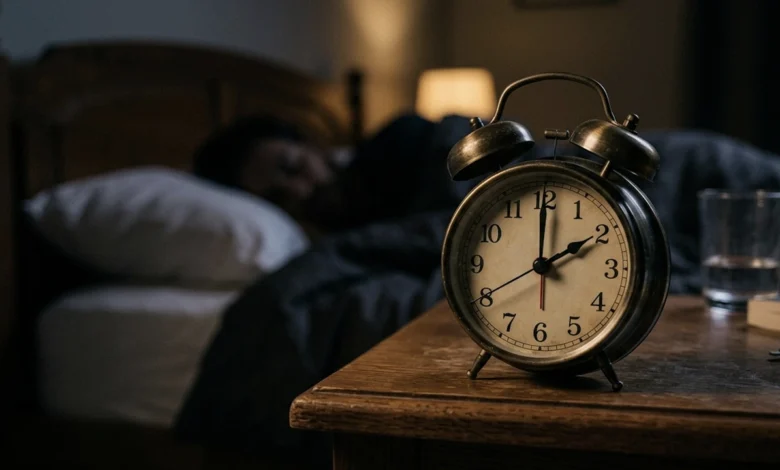
The phenomenon of being physically exhausted yet mentally alert when attempting to fall asleep is a common struggle in modern society, often manifesting as a frustrating paradox that leaves individuals staring at the ceiling for hours. As the pressure to "get enough sleep" mounts, the brain enters a state of heightened arousal, which ironically serves as the primary barrier to achieving rest. This condition, frequently linked to sleep anxiety and circadian rhythm misalignment, has become a significant public health concern, impacting cognitive function, emotional stability, and overall productivity.
The Psychology of Sleep Effort
Psychologists and sleep specialists have long identified that the conscious effort to force oneself to sleep—often referred to as "sleep effort"—is counterproductive. When an individual lies in bed and begins to obsess over the dwindling hours before an early alarm, they trigger the body’s sympathetic nervous system. This activation leads to a release of cortisol and adrenaline, hormones that are designed to keep an organism alert and ready for action.
According to research from health institutions like Healthline, the "paradoxical intention" technique is a cognitive strategy used to combat this cycle. Instead of forcing the brain to shut down, the technique encourages the individual to paradoxically focus on staying awake. By removing the performance pressure associated with falling asleep, the brain’s internal alarm system is deactivated, allowing the natural onset of sleep to occur more organically.
Chronology and Behavioral Context
The struggle to sleep often follows a predictable pattern. It typically begins with an initial period of physical fatigue, followed by an anxiety-driven mental "awakening" as one reaches the bedroom.
- The Pre-Bed Phase: Individuals often engage in high-stimulus activities shortly before bed, such as using smartphones, checking emails, or engaging in intense discussions, which prevents the mind from transitioning into a parasympathetic state.
- The Initial Attempt: Once in bed, the "sleep clock" starts. If sleep does not occur within 15–20 minutes, the person begins to calculate remaining sleep time, leading to frustration.
- The Escalation: As the night progresses, the individual becomes hyper-aware of the passage of time, which cements the state of wakefulness.
- The Next Morning: The individual wakes up exhausted, creating a "sleep debt" that further disrupts the circadian rhythm for the following night, creating a feedback loop of chronic insomnia.
The Biological Misalignment: Clock vs. Need
Fatigue and sleepiness, while often used interchangeably, are physiologically distinct. Fatigue is a physical sensation of depletion, whereas sleepiness is a biological signal indicating that the body’s internal clock is ready for rest.
Dr. Pavan Yadav M V, a sleep medicine specialist at KIMS Hospital in Bengaluru, emphasizes that staying awake longer does not guarantee higher sleep quality. In fact, delaying sleep through work or artificial light exposure creates a "circadian mismatch." When the body’s internal timing is ignored, the brain produces signals of wakefulness even if the body is physically drained. Exposure to blue light from electronic devices suppresses melatonin production, further delaying the transition to sleep. Experts recommend avoiding caffeine at least six hours before bedtime and minimizing electronic device usage to allow the body to regulate its natural sleep-wake cycle effectively.
Supporting Data and Public Health Implications
Global sleep health data indicates that approximately 30% of the adult population experiences symptoms of insomnia at some point in their lives. The economic implications are vast; studies suggest that productivity losses due to sleep deprivation cost global economies hundreds of billions of dollars annually.
A 2023 survey conducted by sleep research organizations found that 65% of participants who reported "trouble falling asleep" cited "thinking about the next day" as their primary distraction. This highlights that sleep issues are increasingly rooted in psychological stress and the modern "always-on" culture. Furthermore, the reliance on sleep-tracking devices has, for some, become an additional source of anxiety, a condition sometimes referred to as "orthosomnia"—the unhealthy obsession with achieving perfect sleep data.
Strategies for Reclaiming Rest
Clinical guidelines for addressing persistent sleep difficulty involve a combination of Cognitive Behavioral Therapy for Insomnia (CBT-I) and lifestyle modifications. Key strategies include:
- Stimulus Control: If sleep does not occur after 20–30 minutes, experts advise leaving the bed. Moving to a different room to engage in a low-stimulation activity—such as reading a physical book or listening to soft music—breaks the association between the bed and frustration. Returning to bed only when genuine sleepiness returns is essential.
- Clock Management: Constantly checking the time reinforces anxiety. Turning the alarm clock away from view and placing mobile devices in a separate area of the room can significantly reduce the "time-pressure" response.
- Consistency: Maintaining a stable wake-up time, regardless of the quality of sleep the night before, helps anchor the circadian rhythm. While it may be tempting to sleep in after a poor night, doing so often shifts the biological clock and makes the following night’s sleep even more difficult.
- The Role of Environment: Curating the bedroom as a sanctuary—ensuring it is dark, cool, and quiet—is standard, yet often overlooked, advice. The psychological separation between a workspace and a rest space is vital in the era of remote work.
Expert Perspectives and Future Directions
The medical community is increasingly viewing sleep as a fundamental pillar of health, alongside nutrition and physical exercise. Official statements from organizations like the National Sleep Foundation underscore that while occasional sleeplessness is a normal response to life’s stressors, chronic sleep disturbances require clinical intervention.
If an individual finds that their inability to sleep consistently impacts their cognitive performance, emotional regulation, and daily functioning, it may indicate a deeper physiological or psychological issue, such as generalized anxiety disorder or sleep apnea. In such cases, professional consultation is not merely recommended—it is essential.
In summary, the phenomenon of being too "awake" to sleep is a manifestation of the brain’s failure to transition from a high-alert state to a state of rest. By understanding the biological, psychological, and environmental factors involved, individuals can move away from the "force-fed" approach to sleep and toward a more harmonious, rhythmic recovery process. The goal is not to perform sleep, but to create the conditions under which it can naturally unfold.