The Transformation of Binh Duong New City: From Quiet Urban Core to a Thriving Real Estate Hub

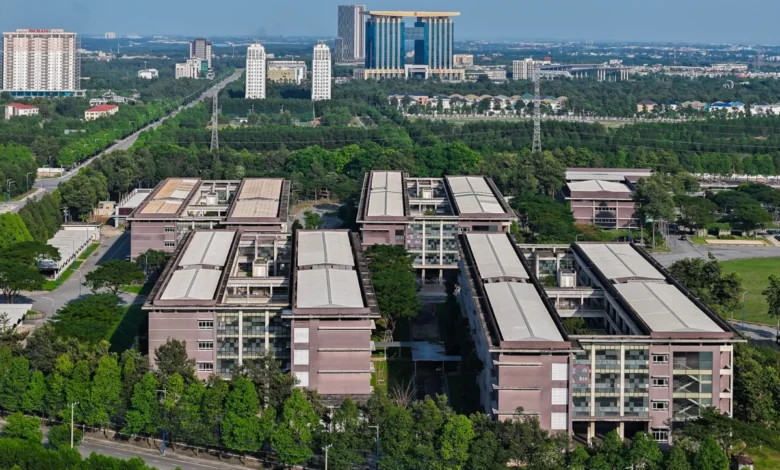
After years of being associated with sprawling modern infrastructure juxtaposed against a stark lack of residents—earning it the unfortunate moniker of a ghost city—the real estate market within the 1,000-hectare urban area in Binh Duong (now integrated into Ho Chi Minh City’s broader metropolitan sphere of influence) has undergone a remarkable metamorphosis over the past decade.
A Grand Vision Met with a Slow Start
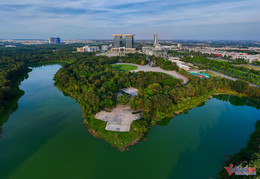
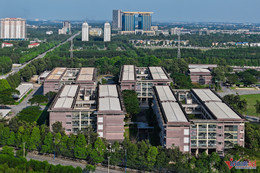
Conceived as a master-planned administrative, economic, and service center spanning approximately 1,000 hectares, Binh Duong New City was initially envisioned as the ultimate nucleus for regional socio-economic development. With massive capital injections poured into wide multilane roads, advanced technical infrastructure, and a grand central administrative complex that officially commenced operations in 2014, the expectations set for the area were exceptionally high.
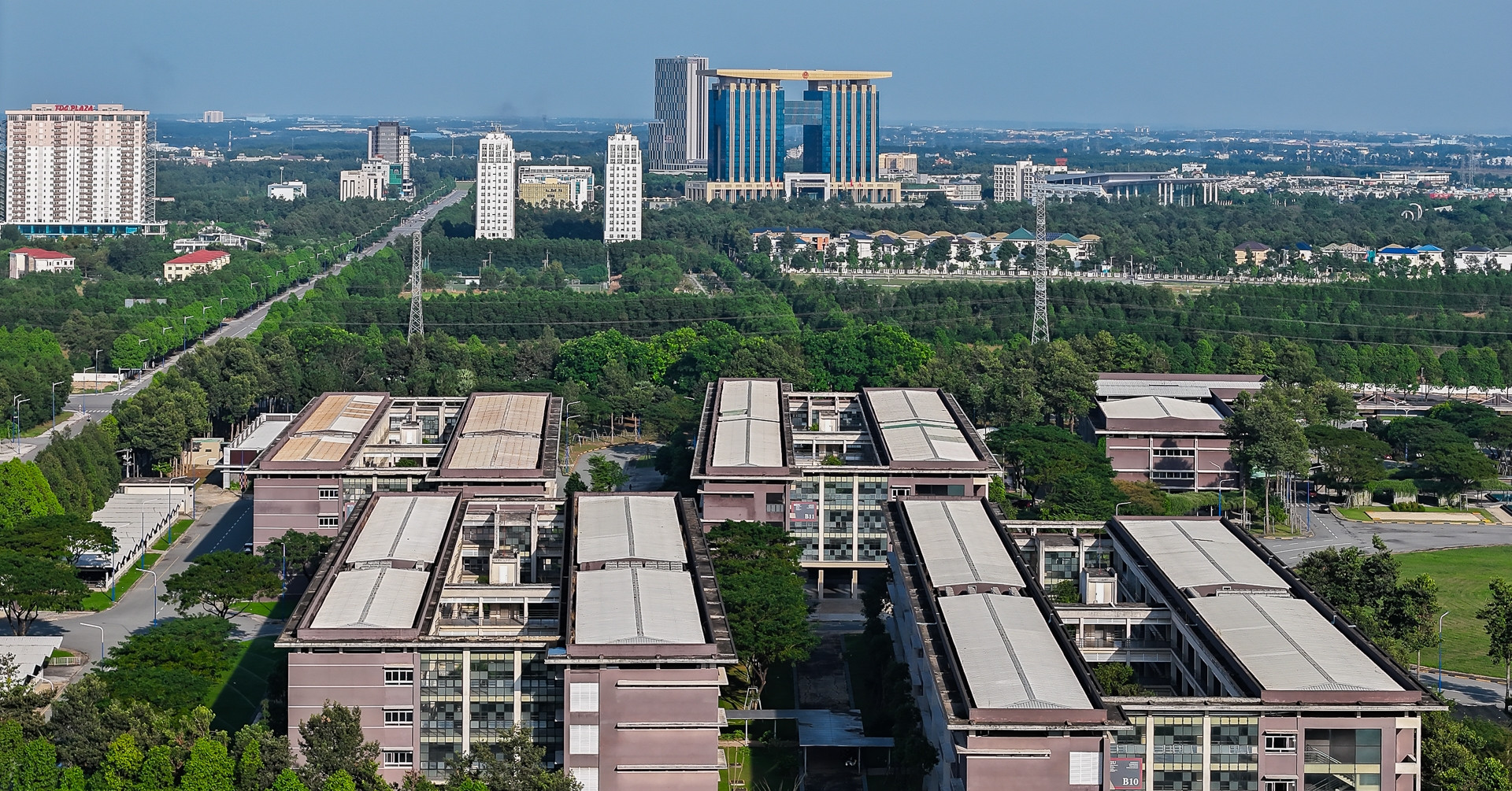
However, the reality of the initial decade painted a starkly different picture. Despite the heavy investments, the population inflow lagged drastically behind the ambitious master plan. Row upon row of completed shophouses and luxury villas remained shuttered, flanked by wide, empty boulevards that saw minimal pedestrian or vehicular traffic. This disconnect between world-class urban planning and sparse human presence cemented its reputation as a deserted expanse.
During the 2014–2020 period, the residential property market in Binh Duong New City suffered from a prolonged slump. While commercial and public infrastructure materialized rapidly, prospective homeowners and tenants remained hesitant to relocate to an area perceived as isolated from core economic centers.
The Evolution of Residential Pricing and Supply Dynamics
In the early stages of development, housing supply was concentrated among a handful of pioneering projects. In the apartment segment, developments such as Sora Gardens I, launched in 2014, saw initial average selling prices hover around 20 to 23 million VND per square meter. As the market inched forward, subsequent phases like Midori Park The View, introduced in 2018, commanded prices ranging from 25 to 29 million VND per square meter. By 2019–2020, newer offerings like Sora Gardens II pushed primary asking prices up to 32–40 million VND per square meter.
Concurrently, the low-rise segment experienced a similar trajectory. Projects like Uni-Town, one of the earliest townhouse developments in the area, were initially offered at approximately 4.3 billion VND per unit for land areas ranging from 105 to 205 square meters. Over time, high-end additions like Midori Park Haruka Terrace and Haruka Villas continued to diversify the supply of luxury townhouses and villas, catering to affluent experts and foreign specialists working in surrounding industrial zones.
Shifts Toward High-End Segments and Market Polarization
Entering the 2024–2026 period, the real estate landscape in Binh Duong New City witnessed a significant structural shift. The market welcomed an influx of new projects spanning commercial apartments, townhouses, villas, and social housing.
In the apartment sector, high-profile developments by regional and international heavyweights reshaped pricing benchmarks. CapitaLand’s Sycamore project, specifically its Orchard Hill and Orchard Heights phases, recorded primary prices ranging between 50 and 55 million VND per square meter during 2024–2025. Similarly, Phu Hung Khap introduced The Harmonie with approximately 1,490 units priced from 45 million VND per square meter, while Becamex Tokyu’s Midori Park The Nest launched units at comparable rates of 46–50 million VND per square meter.
The low-rise and landed property sectors followed suit. Sycamore introduced luxury villas priced between 8.5 and 15 billion VND per unit, while Becamex IDC’s GreenCity offered landed products ranging from 5.5 to 7.7 billion VND. Furthermore, large-scale integrated developments like K-Home New City expanded housing options across multiple sub-segments, offering social housing, townhouses, and commercial spaces for experts, with commercial units priced between 3.5 and 7 billion VND.
Market data compiled by property platforms and research agencies highlights the gravity of this shift. According to One Mount Group, average apartment prices across Binh Duong reached approximately 46 million VND per square meter in the third quarter of 2025, marking a 21% increase compared to the same period in the previous year. During that same quarter, Binh Duong accounted for roughly 60% of new apartment supply and 56% of total apartment absorption relative to the broader Ho Chi Minh City metropolitan statistical area. Subsequent reports by CBRE Vietnam in mid-2026 indicated that approximately 95% of newly launched apartment supply in Binh Duong fell strictly within the high-end category.
Expert Insights and Evolving Buyer Sentiments
Despite the proliferation of luxury developments, industry experts note a distinct market polarization. Duong Thuy Dung, Managing Director of CBRE Vietnam’s Research and Consulting Division, observed that modern buyers are increasingly pragmatic. Purchasers exhibit heightened caution regarding macroeconomic indicators, prioritizing assets with clear legal frameworks and genuine intrinsic utility rather than speculative potential.
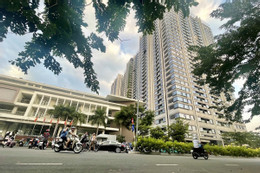
Local real estate brokerages echo these sentiments. Representatives from Winhora Investment and Development Co., Ltd., active in the Binh Duong market, report a noticeable revitalization in daily life compared to ten years ago. Commercial venues, cafes, and dining establishments experience steady foot traffic, particularly on weekends, indicating a growing permanent population.
Nevertheless, market liquidity remains divided based on price points. Properties positioned within accessible brackets—such as apartments priced at 2 to 3 billion VND and townhouses valued at 4 to 5 billion VND—continue to attract robust interest from genuine end-users and budget-conscious buyers. Conversely, ultra-luxury segments face slower transactional velocity.
"While investment demand persists, investors are noticeably more prudent," a Winhora representative shared. "Capital is gravitating toward mid-segment products with reasonable price tags that align closely with actual residential needs and personal financial capabilities."
Broader Economic Implications and Future Outlook
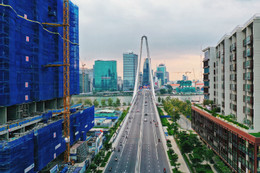
The transformation of Binh Duong New City from an administrative outpost with low occupancy rates into a high-value real estate destination reflects broader trends in Vietnam’s urbanization. As infrastructure corridors expand and commute times between satellite urban areas and Ho Chi Minh City proper shorten, peripheral economic zones are absorbing spillover demand from the congested urban core.
However, the rapid escalation of housing prices—driven heavily by high-end and luxury project launches—poses affordability challenges for the local workforce. While the integration of social housing initiatives and mixed-use master plans helps mitigate the housing deficit for industrial experts and middle-income earners, balancing high-end speculative development with sustainable population growth remains a central challenge for urban planners and developers alike.
As Binh Duong New City continues to mature through the latter half of the decade, its long-term viability will depend heavily on sustained commercial activity, job creation, and the successful alignment of housing supply with the actual purchasing power of the domestic workforce.