The Changing of the Guard: From Personalities to Platforms
For decades, the Premier League’s allure was inextricably linked to the presence of singular, larger-than-life figures. The era of managerial titans—Alex Ferguson, Arsene Wenger, Jose Mourinho, and most recently, Pep Guardiola and Jurgen Klopp—provided a narrative spine that arguably rivaled the quality of football on the pitch. These managers were not merely tacticians; they were cultural icons who anchored their respective clubs in the global consciousness.
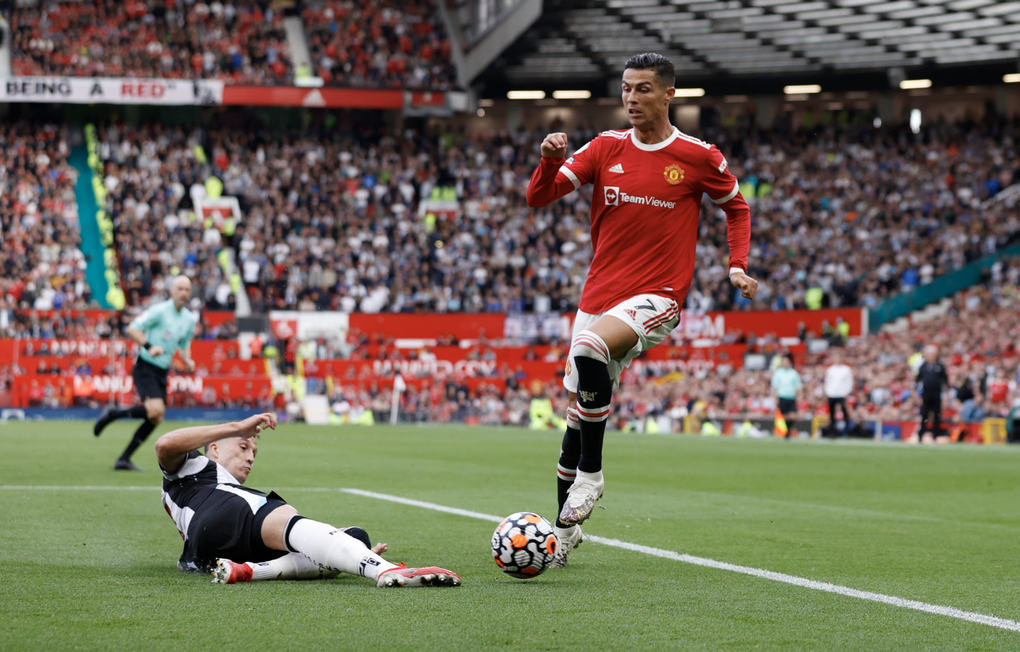
Simultaneously, the league functioned as a revolving door for world-class talent. Icons like Cristiano Ronaldo, Thierry Henry, David Beckham, and Steven Gerrard utilized the Premier League as a stage to define their careers. However, the landscape has shifted. Mohamed Salah’s move to Trabzonspor and Son Heung-min’s transition to Major League Soccer (MLS) in the United States marked the end of an era. In their wake, the league faces a vacuum of personality-driven star power.
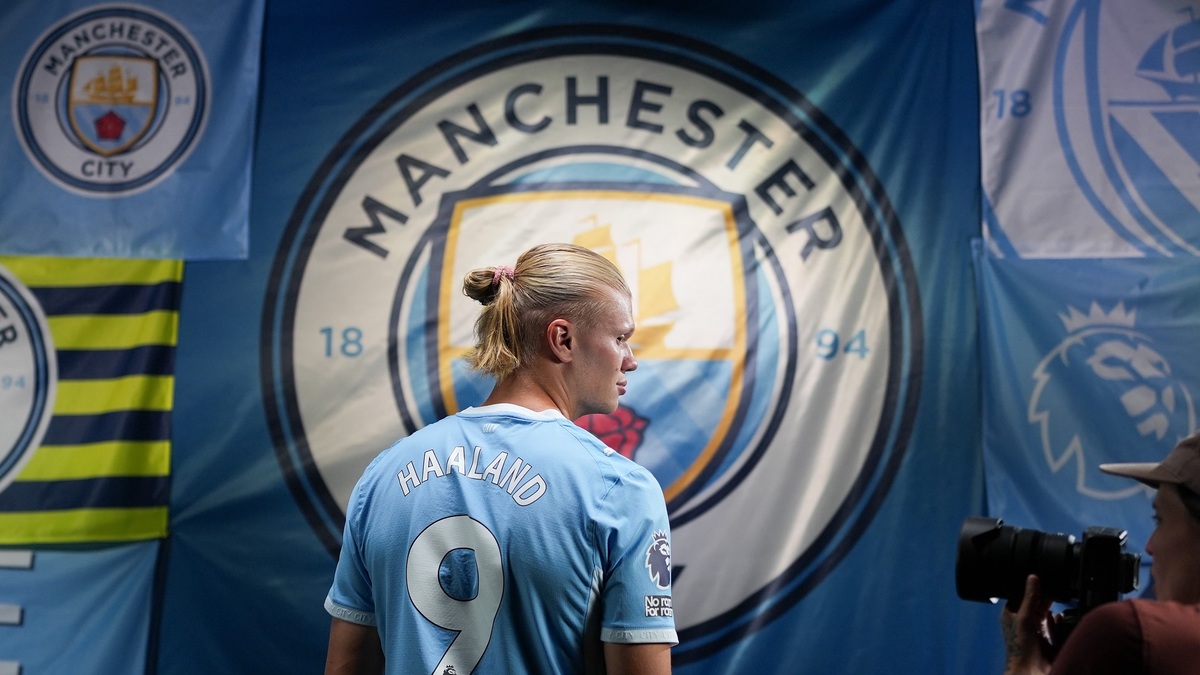
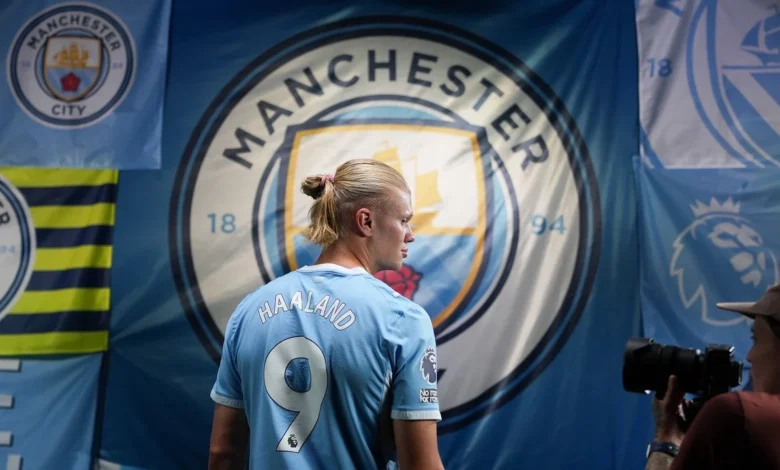
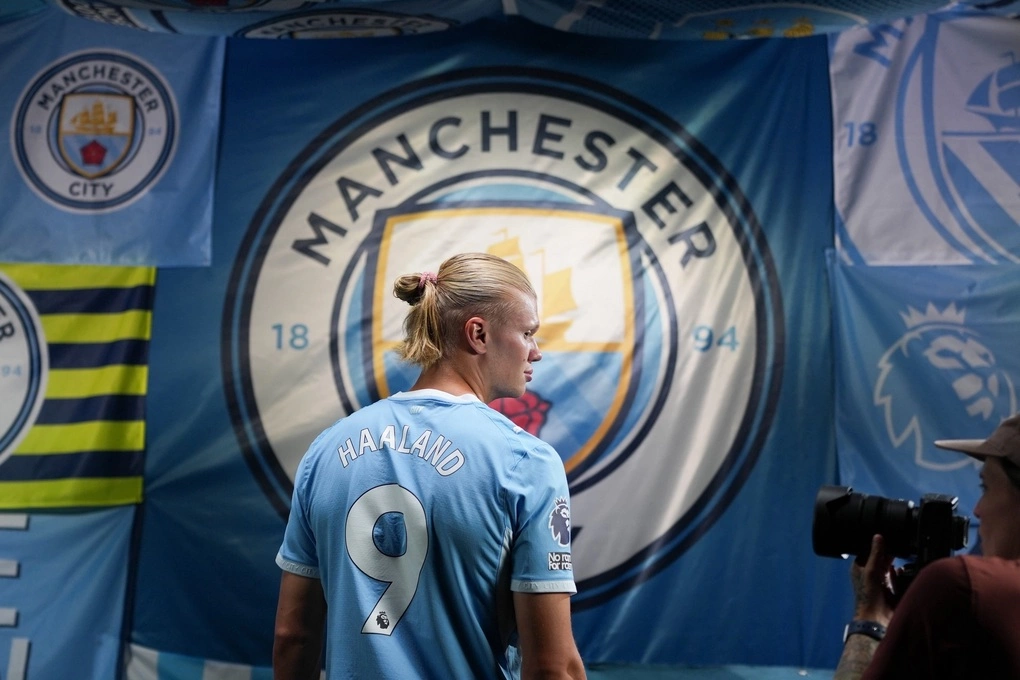
Erling Haaland, however, has effectively filled this void, becoming the face of the Premier League for a new generation of fans. His recent social media activity—including viral FaceTime calls with peers and a highly publicized change in his signature hairstyle—highlights his understanding of his role not just as a striker, but as a global media asset.
The Haaland Effect: Digital Engagement and Global Reach
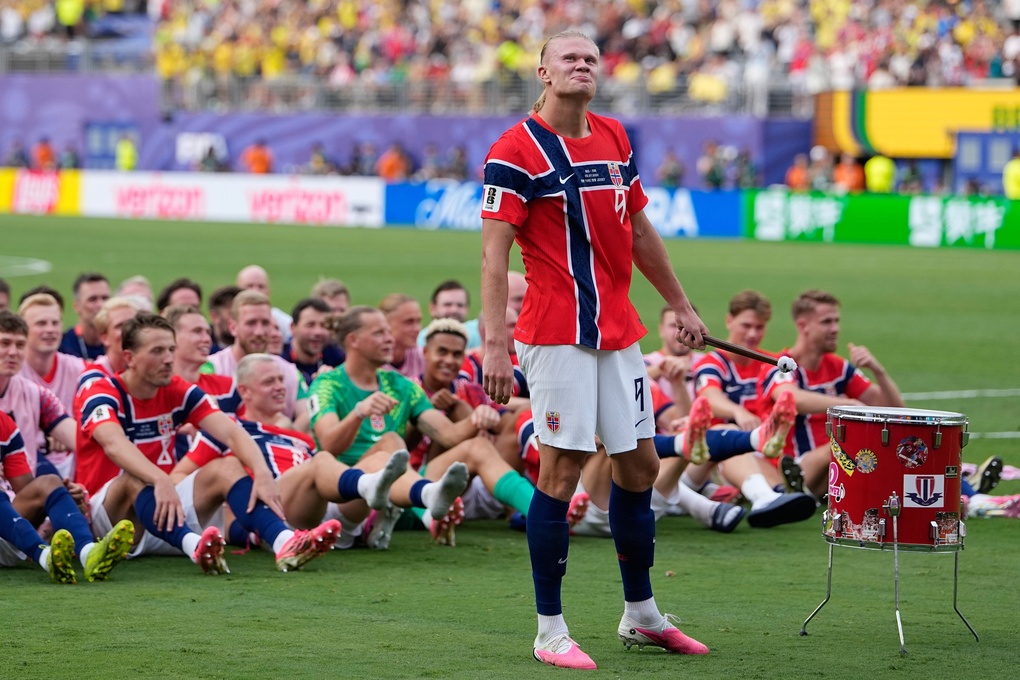
Haaland’s influence extends far beyond the penalty area. Since the conclusion of the 2026 World Cup, his personal brand has experienced meteoric growth. His Instagram following surged from 40.6 million to 72.7 million, an increase of over 32 million followers, positioning him as the standout figure among all players who participated in the tournament.
Industry experts note that this level of digital engagement is unprecedented for a Premier League player. Steve Martin, CEO of MSQ Sport & Entertainment, describes Haaland as a "Trojan horse" for the Premier League, noting that his image is meticulously crafted yet retains a sense of spontaneity that resonates with Gen Z and Gen Alpha audiences. Much like David Beckham in the early 2000s, Haaland has the rare ability to turn minor lifestyle shifts—such as a haircut—into major global news events.
This digital dominance is critical for the Premier League’s long-term strategy. While traditional TV broadcasting remains a cornerstone of revenue, the league is increasingly reliant on social media penetration to maintain its dominance in a global market where younger demographics prioritize individual player narratives over historic club loyalty.
Economic Resilience and the Collective Brand
Despite the decline in the number of individual "superstars," the Premier League’s financial health remains robust. According to the latest reports from Deloitte, the league generated approximately $9.41 billion in revenue for the 2024-2025 season, vastly outstripping its European counterparts. For comparison, the German Bundesliga generated roughly $5 billion, while Spain’s La Liga, Italy’s Serie A, and France’s Ligue 1 trailed at $4.77 billion, $3.49 billion, and $2.56 billion, respectively.
This disparity underscores a shift in the league’s value proposition. As Professor Simon Chadwick, a global sports expert, points out, the Premier League has successfully cultivated a brand identity that transcends individual players. "What the Premier League has that other leagues do not is the brand value of the clubs themselves," Chadwick explains. "The model is becoming more akin to the NFL, where the strength of the teams—rather than just the stars—drives interest."
Furthermore, the league’s competitive parity is a major asset. Unlike Ligue 1 or the Bundesliga, where one club often maintains absolute hegemony, the Premier League’s structure prevents such dominance. This environment ensures that even without a "superstar" in every dugout or on every team sheet, the product remains highly competitive and attractive to international investors.
Strategic Recruitment and Financial Regulation
The current transfer policy among Premier League clubs reflects a broader trend toward sustainability. In the most recent summer transfer window, clubs collectively spent $4.6 billion. However, this capital was predominantly allocated to squad depth and young, high-potential talent rather than the pursuit of established global icons who command astronomical wages.
This shift is largely dictated by the league’s Cost Control Regulations (SCR), which cap spending on squad operations at 85% of football-related revenue, while also factoring in net profit or loss from player trading. Consequently, clubs are prioritizing smart recruitment and the development of homegrown or undervalued talent. Of the 15 largest transfers completed this past summer, 11 were internal moves between Premier League clubs, signaling a preference for players already acclimated to the league’s intensity.

This focus on the collective is a return to the league’s roots, albeit with a modern, data-driven edge. It reduces the risk associated with over-relying on a single star, who could leave at any moment, and places the onus on the club as an institution to maintain its competitive edge.
The Future of the Premier League
The loss of marquee managers and stars is a challenge, but it is not an existential threat. The league has historically proven its ability to reinvent itself. From the early days of the Sky Sports era in 1992, when even the best players in the league were rarely considered global superstars, to the golden age of the mid-2000s, the Premier League has consistently evolved.
Looking ahead, the league’s leadership, including CEO Richard Masters, remains confident. "While some major names have moved on, new stars and new auras are emerging," Masters recently remarked. The challenge for the Premier League is to ensure that as it moves into this next era, it continues to cultivate personalities like Haaland while strengthening the underlying financial and competitive frameworks that have made it the most successful sporting league in history.
The narrative of the Premier League has always been one of constant motion. Whether it is through the tactical evolution of its managers, the high-stakes drama of its transfer windows, or the global digital influence of players like Erling Haaland, the league continues to command the attention of the world. For now, the stage remains set for a new generation to stake their claim, with the Premier League serving as the ultimate proving ground for the future of professional football.