The transition of leadership at Apple from long-time CEO Tim Cook to John Ternus on September 1, 2026, marks the end of a transformative 15-year era for the world’s most valuable technology company. As Cook shifts his focus toward his ongoing role as the Chairman of Apple’s Board of Directors, public attention has turned to the private life of the executive who steered the tech giant through its most profitable period in history. Among the most intriguing aspects of his personal portfolio are two distinct California properties—a modest Palo Alto home and a sprawling desert estate in La Quinta—that highlight the dichotomy of his lifestyle and personal philosophy regarding wealth.
A Chronology of Leadership and Asset Acquisition
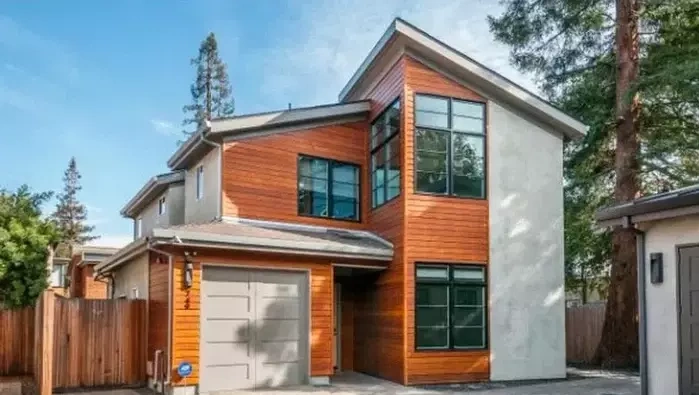
Tim Cook’s journey to becoming the face of Apple began long before his official appointment as CEO in 2011. His real estate history offers a window into his grounded approach to life. In 2010, while serving as the Chief Operating Officer under Steve Jobs, Cook purchased a 200-square-meter home in Palo Alto for $1.9 million. This acquisition occurred just one year before he assumed the top leadership role, signaling his commitment to remaining in the heart of Silicon Valley, near Apple’s headquarters in Cupertino.
The property, characterized by its relatively modest scale, has long been cited as a testament to Cook’s personal values. Despite his net worth, estimated by Forbes to be in the region of $3 billion, Cook has frequently stated that he views money not as an end in itself, but as a resource for broader influence and philanthropy. His choice to live in a residential neighborhood, rather than a secluded compound, reflects a desire to remain tethered to the community that fostered the birth of the personal computer revolution.
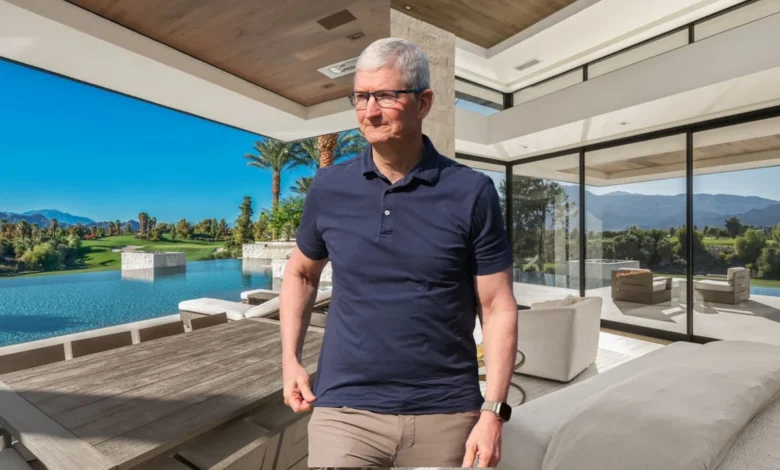
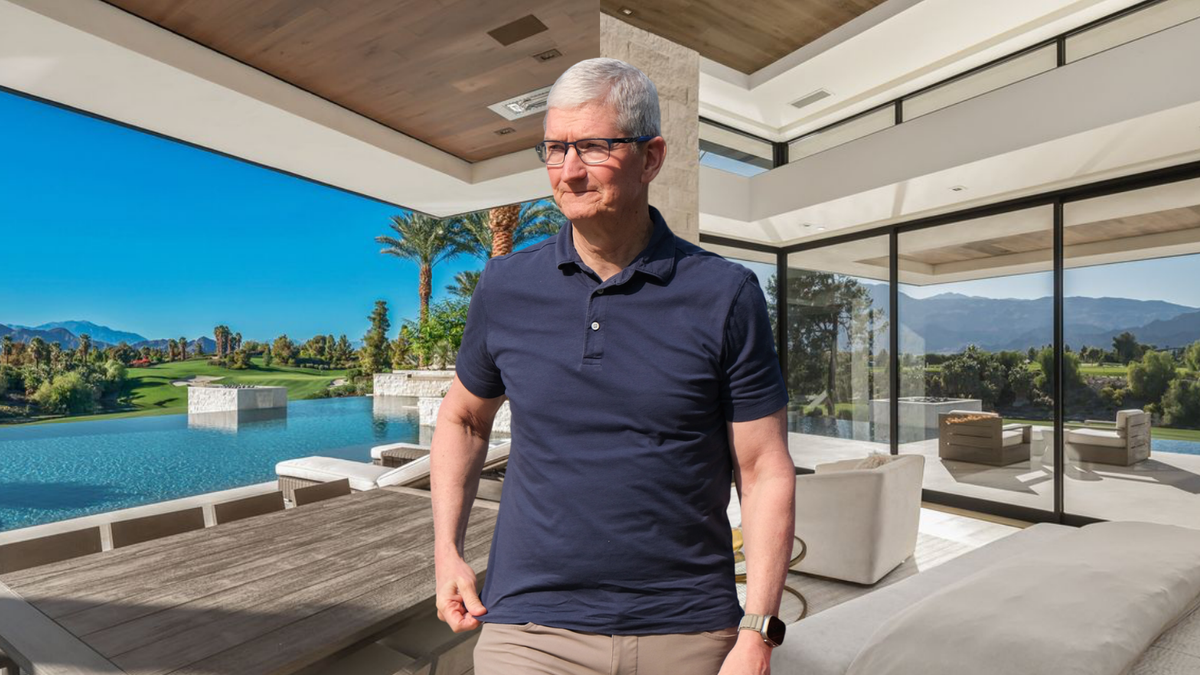
Nearly a decade later, as his responsibilities and wealth grew, Cook expanded his real estate footprint by acquiring a significant retreat in the exclusive Madison Club in La Quinta, Southern California. This purchase, completed around 2018-2019, represents a stark contrast to his Palo Alto residence. Spanning approximately 925 square meters on a 3,280-square-meter lot, the estate serves as a sanctuary from the high-pressure environment of the technology sector.
The Palo Alto Residence: A Study in Understated Luxury
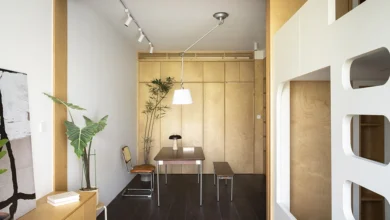
The Palo Alto home, while valued in the millions, is considered remarkably modest compared to the estates of other Silicon Valley executives. The structure features four bedrooms and an architectural design that favors functionality over opulence. It utilizes a palette of neutral tones, natural wood, and light-colored walls, creating an environment that focuses on communal living space rather than elaborate amenities.
For years, the property has been the subject of curiosity for tech industry analysts. When compared to the sprawling, hyper-modern mansions often associated with the ultra-wealthy in Northern California, Cook’s residence stands out for its lack of pretension. Industry observers note that this choice of living space aligns with Cook’s public image: disciplined, focused, and intentionally grounded. By avoiding the architectural excess common among his peers, Cook has reinforced a narrative of leadership that prioritizes the health of the organization and the utility of resources over individual displays of status.
The La Quinta Retreat: Architectural Integration and Privacy
In contrast, the La Quinta estate at The Madison Club represents the pinnacle of private, resort-style living. Located within a highly secured, gated community known for its privacy and exclusivity, the property serves as a retreat for the former CEO. The Madison Club is an expansive 202-hectare development in the Coachella Valley, home to approximately 200 estates clustered around an 18-hole golf course designed by Tom Fazio.
The property, which has been subject to varying valuation reports—ranging from $9.1 million to $10.1 million in public filings and real estate databases—is a masterpiece of modern indoor-outdoor integration. The structure features floor-to-ceiling glass walls that effectively dissolve the boundaries between the living areas and the surrounding desert landscape. The western-facing courtyard provides panoramic views of the Santa Rosa Mountains, a feature that anchors the design of the residence.
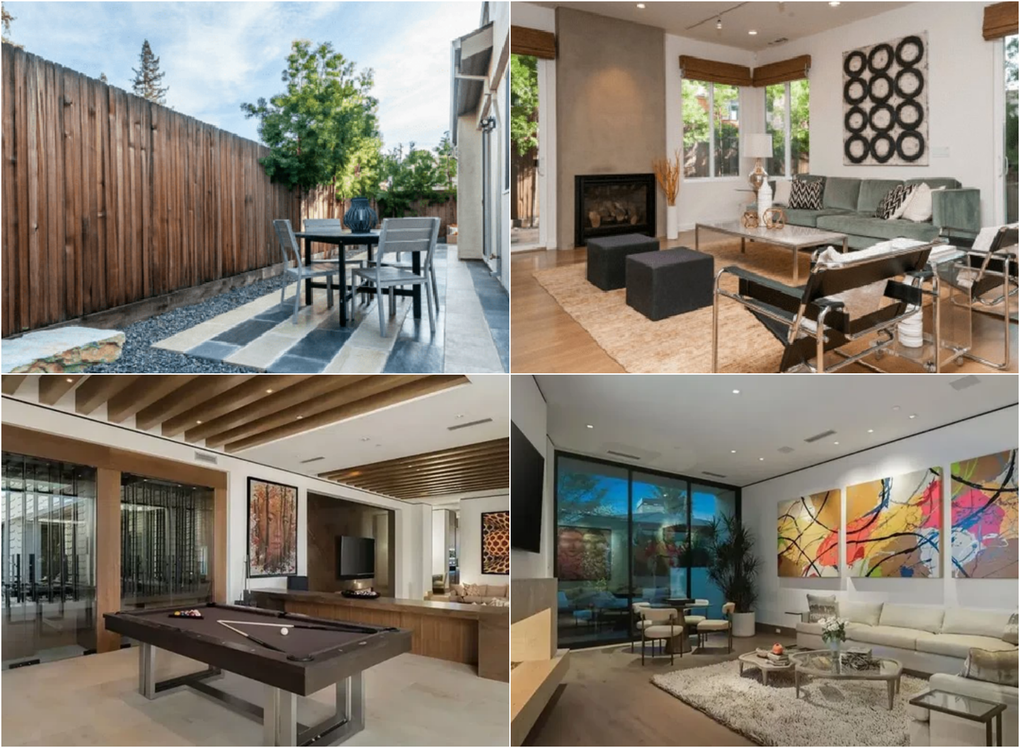
The interior layout includes a primary kitchen, a secondary catering kitchen for events, a private office, a family room, and a bespoke billiard room. The use of glass is central to the design, allowing the home to interact directly with the environment rather than relying on isolated rooms. Outside, the focus is on a sprawling infinity pool, a spa, an outdoor bar, and covered patios that allow for year-round social gatherings in the desert climate. Furthermore, the property is equipped with advanced solar energy systems, valued at approximately $86,100, reflecting the sustainability-focused ethos that has been a hallmark of Cook’s tenure at Apple.
Financial Implications and Future Transitions
The acquisition of these properties serves as a snapshot of the broader financial landscape surrounding Apple’s leadership transition. With Forbes estimating his total assets at $3 billion, the combined value of these two California properties—while significant in the context of the real estate market—represents only a small fraction of his net worth. This diversification of assets is common for high-net-worth individuals, but in Cook’s case, it highlights the transition from his active, day-to-day operations in Cupertino to a more advisory, long-term strategic role.
The timing of this transition is significant. On September 9, 2026, Apple showcased the iPhone 18 Pro and its first-ever foldable smartphone at Apple Park, California. This event marked the first major product launch under the stewardship of John Ternus. For investors and industry analysts, the stability of the company’s leadership transition is paramount. Cook’s move to the position of Chairman of the Board ensures that his experience remains available to the company, providing a bridge between the legacy of the past 15 years and the new direction under Ternus.

Broader Impact and Context
The public interest in the real estate holdings of a CEO like Tim Cook is not merely about curiosity regarding luxury lifestyle; it is often viewed as an indicator of the executive’s long-term commitment to their region and their organization. By maintaining a primary residence in Palo Alto and a secondary retreat within California, Cook reinforces his deep-seated connection to the state that has been the epicenter of his career.
Moreover, the architectural choices—from the modest, family-oriented home in Silicon Valley to the sustainable, nature-integrated design in La Quinta—mirror the evolution of Apple itself. Under Cook’s leadership, Apple moved from being a product-focused hardware company to an entity that deeply integrates sustainability, privacy, and environmental responsibility into its core identity.
As John Ternus assumes the mantle of CEO, the market is closely watching how the company will handle the next phase of innovation. Meanwhile, the transition of Cook to the Board of Directors suggests a desire for continuity. His ability to navigate complex global supply chains and geopolitical tensions over the last decade has earned him significant respect within the industry. Whether he spends his newfound time in the quiet streets of Palo Alto or the expansive, sun-drenched vistas of La Quinta, the impact of his 15-year tenure will remain embedded in the foundation of Apple for years to come. The dual nature of his real estate holdings stands as a silent witness to the man behind the brand—a figure who, despite reaching the pinnacle of global corporate power, has consistently sought to balance the intensity of his professional life with a commitment to simplicity and personal reflection.