Mazda CX-5 dominates the mid-size SUV and crossover market in Vietnam after the first three quarters of 2026

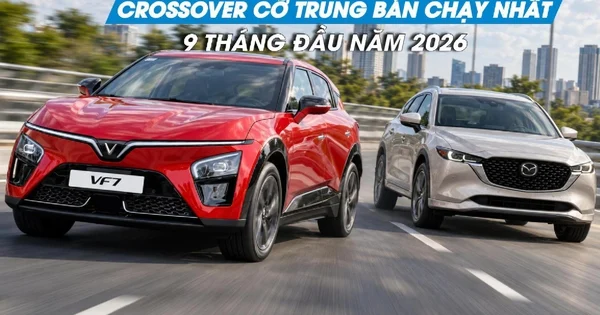
The Vietnamese automotive market has witnessed a significant shift in consumer preferences during the first nine months of 2026, with mid-size SUVs and crossovers emerging as the most sought-after segment. Data covering the period from January to September 2026 confirms that the Mazda CX-5 remains the undisputed leader of this highly competitive category. However, the battle for the runner-up position has intensified, characterized by a razor-thin margin between traditional internal combustion engine (ICE) vehicles and rapidly rising electric alternatives.
As of the conclusion of the third quarter of 2026, the Mazda CX-5 maintains a commanding lead, having sold 11,893 units. This performance underscores the model’s sustained appeal, driven by its refreshed design language, competitive pricing strategies, and the recent integration of advanced artificial intelligence (AI) features across all trim levels. By establishing a lead of 2,874 units over its nearest competitor, Mazda has effectively solidified its stronghold, signaling a high level of brand loyalty and market penetration that its rivals have struggled to overcome throughout the fiscal year.
The Intensifying Battle for Second Place
While the top spot remains firmly in the hands of the Japanese manufacturer, the competition for the second and third positions has become one of the most compelling narratives in the Vietnamese auto industry this year. The Ford Territory, a vehicle that has gained significant traction due to its spacious interior and technology-focused features, currently occupies the second position with a cumulative sales figure of 9,019 units.
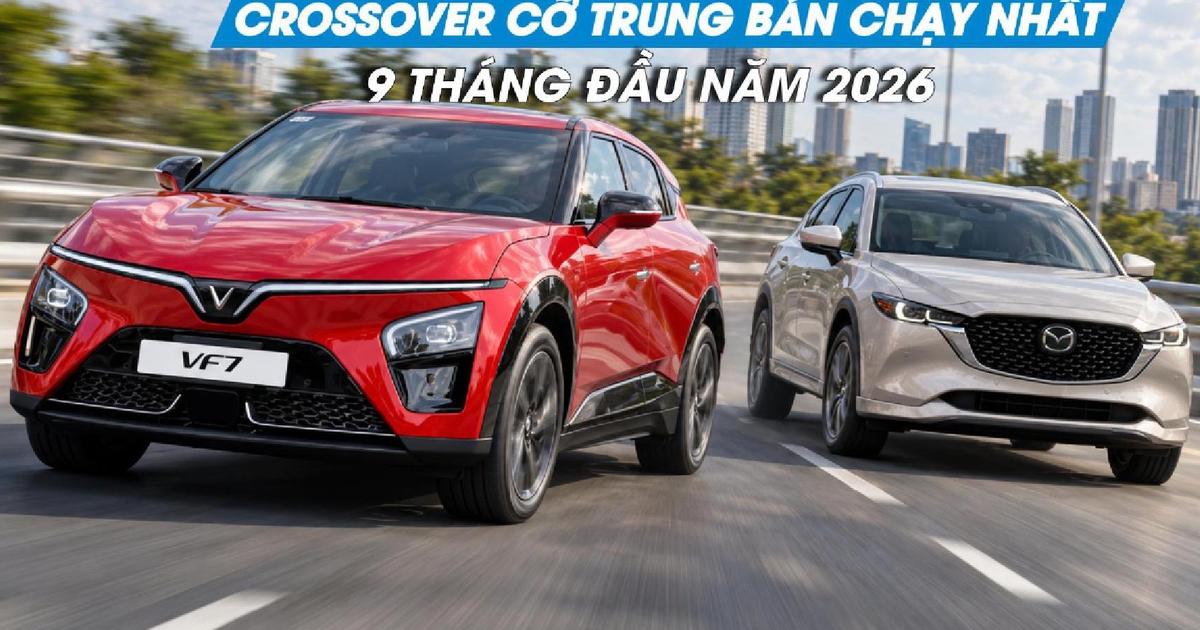
Close on its heels is the VinFast VF 7, which has achieved a total of 8,912 sales. With a discrepancy of only 107 vehicles between the two, the rivalry represents a broader trend in the market: the direct confrontation between long-standing gasoline models and the emerging electric vehicle (EV) sector. The presence of the VF 7 in the top three demonstrates a shift in consumer confidence toward electric mobility, particularly within the mid-size crossover segment, which is increasingly viewed as the standard for modern family transportation in urban environments.
Chronology of Market Dynamics: 2026 Performance
The trajectory of the 2026 market began with a strong push from traditional manufacturers, who leveraged post-holiday sales campaigns to clear inventory and entice buyers. During the first quarter, the Mazda CX-5 set the pace, capitalizing on the launch of its updated AI-assisted trim levels.
By the end of the second quarter, the market saw a notable cooling in demand for larger SUVs, shifting the volume toward the more agile and fuel-efficient mid-size segment. This pivot benefited the Ford Territory and the VinFast VF 7 significantly. As the third quarter progressed into the monsoon season—a period typically associated with lower foot traffic in showrooms—the manufacturers pivoted to aggressive digital marketing and financing incentives.
The data indicates that while the Mazda CX-5’s lead has remained stable, the momentum of the VinFast VF 7 has been steadily increasing month-over-month. Industry analysts suggest that the final quarter of 2026 will be defined by year-end clearance events, where the slim 107-unit gap between the Ford Territory and the VF 7 will likely serve as the primary driver for heavy promotional spending from both automakers.
Comparative Market Performance and Data Overview
To understand the broader landscape, one must look at the bottom half of the top five performers. In the fourth position stands the Mitsubishi Destinator, which has recorded 7,449 sales. The Destinator has maintained a consistent presence in the market, benefiting from strategic price adjustments that brought its entry-level models closer to the 700 million VND price point. This pricing strategy was a direct attempt to challenge the dominance of the Mazda CX-5, though the results suggest that the Destinator remains in a tier of its own, serving as a reliable alternative for budget-conscious buyers.
Rounding out the top five is the Hyundai Tucson, which continues to provide a balanced option for consumers seeking traditional performance. Although the Tucson has experienced slightly lower volume compared to its primary rivals this year, it remains a pillar of the segment, maintaining a stable customer base that prioritizes the reliability and service network associated with the Hyundai brand in Vietnam.
| Model | Cumulative Sales (Jan-Sept 2026) | Market Positioning |
|---|---|---|
| Mazda CX-5 | 11,893 | Segment Leader |
| Ford Territory | 9,019 | Runner-up |
| VinFast VF 7 | 8,912 | Top EV Contender |
| Mitsubishi Destinator | 7,449 | Value-focused Option |
| Hyundai Tucson | [Remaining] | Established Performer |
Strategic Implications for Automakers
The dominance of the Mazda CX-5 can be attributed to several factors, most notably the brand’s ability to localize its technology offerings. By integrating AI-driven driving assistance systems, Mazda has managed to keep its aging platform relevant, appealing to a tech-savvy demographic that would otherwise look toward newer EV platforms.
Conversely, the success of the VinFast VF 7 serves as a bellwether for the Vietnamese transition to electrification. The fact that an electric crossover is competing neck-and-neck with a Ford model suggests that the infrastructure anxiety traditionally associated with EVs is dissipating among urban buyers. For Ford, the challenge remains to maintain its market share against the lower total cost of ownership (TCO) offered by electric competitors, which typically require less maintenance and offer lower energy costs compared to internal combustion vehicles.

For the industry at large, these figures suggest that the "crossover era" is far from over. As consumers move away from sedans and large-scale SUVs, the mid-size crossover has become the "goldilocks" solution: versatile enough for family utility, yet compact enough for the increasing congestion of Vietnam’s metropolitan hubs.
Future Outlook and Year-End Projections
As we look toward the final quarter of 2026, the focus will undoubtedly shift toward year-end sales targets. Manufacturers are expected to introduce comprehensive financing packages, extended warranties, and localized accessory bundles to entice the final wave of annual buyers.
For the second-place race, the margin of 107 units is statistically insignificant in a market of this size. It implies that a single regional sales event or a successful corporate fleet contract could determine the final order by December 31. Industry experts remain cautious about making definitive predictions, as macroeconomic factors—such as fluctuations in interest rates and fuel prices—could sway the final purchasing decisions of middle-class families.
Furthermore, the influence of supply chain stability cannot be overlooked. Mazda’s ability to maintain high inventory levels has been a key component of its success. Any disruption in production or shipping during the fourth quarter could potentially allow the Ford Territory or the VinFast VF 7 to bridge the gap.
In conclusion, the first three quarters of 2026 have painted a clear picture of a market in transition. While the Mazda CX-5 remains the benchmark for the segment, the rising prominence of the VinFast VF 7 and the resilience of the Ford Territory highlight an increasingly diverse and competitive landscape. The final three months of the year will serve as the ultimate test of brand loyalty versus technological advancement, setting the stage for a highly competitive 2027.