The political landscape of the United States is undergoing a subtle yet profound transformation as a new wave of progressive lawmakers prepares to enter the halls of Congress. Following a tumultuous electoral cycle that saw both severe setbacks and surprising resurgence, progressive organizations like Justice Democrats are repositioning themselves to exert greater influence over national policy, legislative agendas, and the internal dynamics of the Democratic Party. This growing faction of young, reform-minded politicians aims to challenge the traditional establishment, champion sweeping economic and social overhauls, and reshape the future of American governance ahead of upcoming national elections.
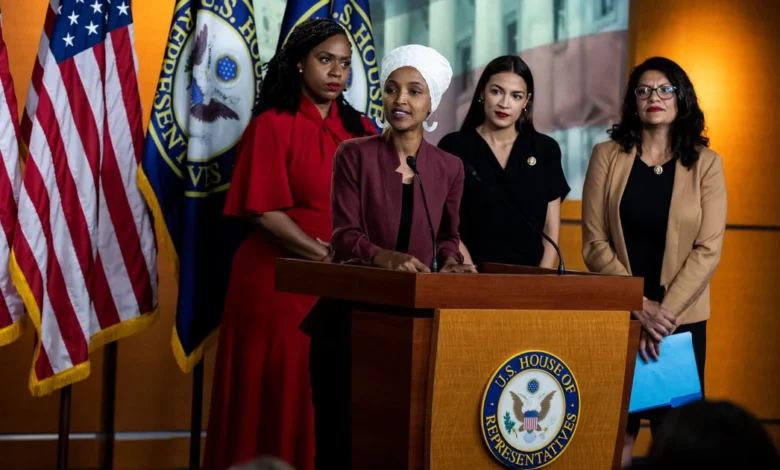
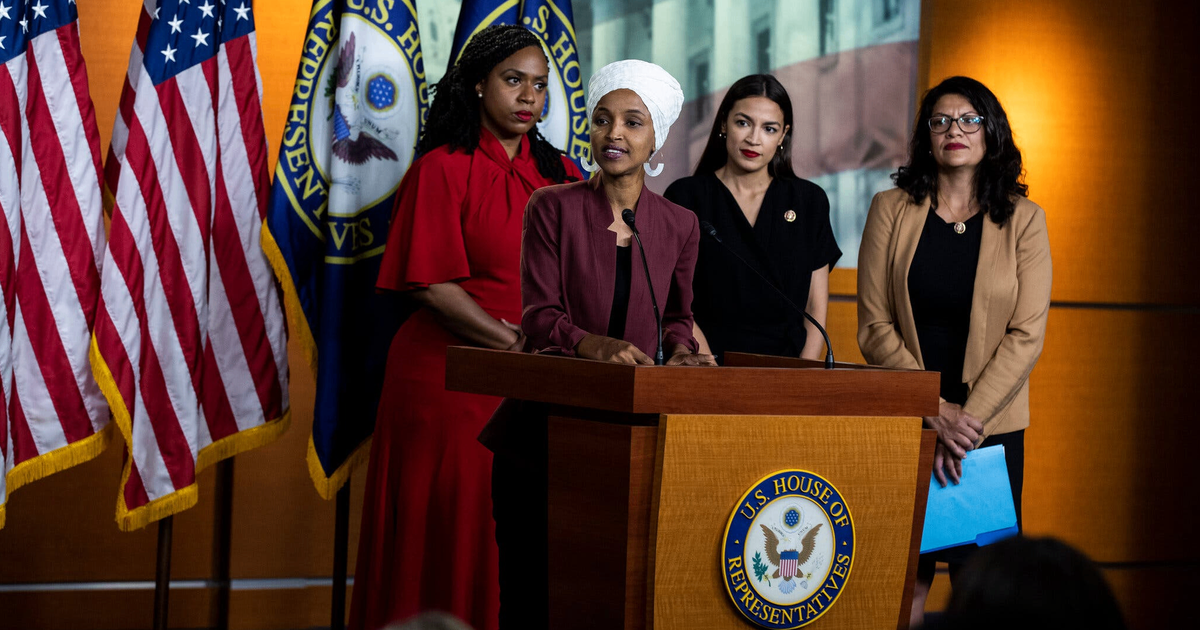
To understand the trajectory of this progressive movement, one must examine the broader historical and political context of the American left over the past decade. The rise of institutional progressivism gained significant momentum in 2018 with the emergence of "The Squad"—a group of high-profile, diverse, and unapologetically left-wing congresswomen including Alexandria Ocasio-Cortez, Rashida Tlaib, Ilhan Omar, and Ayanna Pressley. Initially, these figures faced fierce resistance not only from the Republican opposition but also from the moderate leadership of their own party, most notably then-House Speaker Nancy Pelosi. Mainstream Democrats frequently viewed these newcomers as polarizing social media figures rather than pragmatic legislators capable of coalition-building. However, over time, their ability to mobilize grassroots energy, command national media attention, and shift the national discourse on major issues forced the party establishment to acknowledge their growing political footprint.
Despite these earlier victories, the progressive movement suffered a severe reality check two years prior to the current cycle. High-profile progressive incumbents backed by Justice Democrats, such as Representative Cori Bush of Missouri and Representative Jamaal Bowman of New York, suffered decisive defeats in their respective primary elections. Both lawmakers were unseated by more moderate challengers who benefited from unprecedented financial backing by powerful outside spending groups, including super political action committees (PACs) affiliated with the American Israel Public Affairs Committee (AIPAC) and traditional corporate interests. Records indicate that AIPAC-linked super PACs poured nearly $15 million into efforts to unseat Bowman, while directing over $8 million to defeat Bush. Usamah Andrabi, communications director for Justice Democrats, noted that these losses served as a stark wake-up call regarding the formidable influence of heavy campaign spending and special-interest money in primary elections.
Yet, shifting political currents and grassroots frustration have created a new window of opportunity for the left. Widespread voter discontent with party leadership, coupled with fierce opposition to the military campaign of Israel in the Gaza Strip, has energized progressive bases across the country. Capitalizing on this momentum, Justice Democrats successfully recruited and backed a new cohort of candidates poised to take office. Projections indicate that at least seven candidates supported or recruited by the organization are heading to Congress, significantly expanding the progressive caucus when combined with returning incumbent members.
The incoming class of progressive lawmakers represents a diverse and youthful demographic, largely identifying as democratic socialists with ambitious legislative platforms. Among the notable figures is 34-year-old Michigan State Representative Donavan McKinney; Darializa Avila Chevalier, a 32-year-old activist from New York; Melat Kiros, a 29-year-old attorney who defeated a 15-term incumbent in Denver; Claire Valdez, a 37-year-old state representative from New York; and Dr. Adam Hamawy, a 57-year-old reconstructive surgeon from New Jersey. Their policy agendas focus heavily on expanding universal healthcare systems, abolishing the U.S. Immigration and Customs Enforcement (ICE) agency, and curbing corporate influence over democratic institutions.
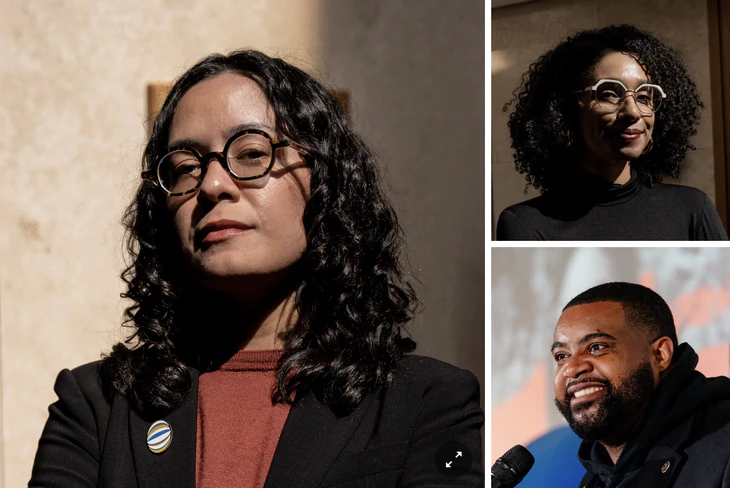
The ambitions of Justice Democrats extend far beyond merely increasing their seat count; their primary objective is to fundamentally alter the policy platform of the Democratic Party as the nation prepares for future presidential cycles. According to organizational leadership, these new lawmakers can help the party revitalize support among disaffected grassroots voters by embracing bold reforms rather than relying on incremental, status-quo governance. Melat Kiros noted that the contemporary political atmosphere feels distinctly different from the early days of The Squad, observing that incoming progressives are experiencing a much warmer and more receptive welcome from their Democratic colleagues than their predecessors did. Similarly, Dr. Hamawy emphasized that the new crop of legislators intends to forge tighter internal coordination to effectively advance shared goals, ranging from comprehensive healthcare reform to economic justice.
However, political analysts caution that expanding the progressive caucus does not automatically translate into legislative dominance. Even if the Democratic Party regains control of the House of Representatives, the progressive wing will likely face considerable hurdles in pushing through major legislation due to its relatively small numbers. Furthermore, potential friction may arise between progressive lawmakers and establishment figures such as Representative Hakeem Jeffries, who is widely expected to assume the role of House Speaker if Democrats secure a majority. Navigating these internal party dynamics will require a delicate balance of pragmatic negotiation and principled advocacy.
The implications of this progressive resurgence extend well beyond Capitol Hill, signaling a permanent ideological realignment within the Democratic Party. As these new lawmakers assume office, they will test the viability of a more assertive left-wing agenda in American politics, forcing both parties to adapt to an electorate that increasingly demands systemic change. Whether this new generation can effectively translate grassroots enthusiasm into durable legislative achievements remains one of the most compelling storylines in modern American governance.
Related posts: