Quy hoạch hạ tầng TT&TT: Mở rộng không gian bưu chính để thúc đẩy thương mại điện tử và logistics

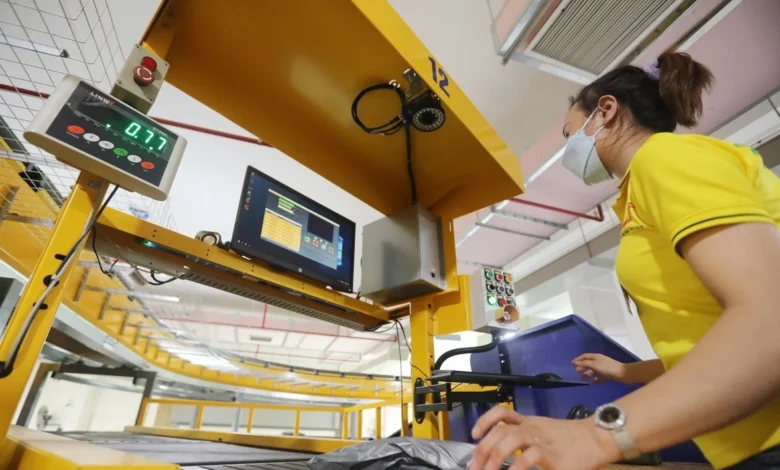
The national postal network in Vietnam is undergoing a strategic transformation, shifting from a traditional mail delivery service into a vital physical infrastructure that supports the rapid growth of e-commerce, logistics, and the broader digital economy. This evolution is anchored within Vietnam’s first-ever comprehensive master plan for Information and Communications Technology (ICT) infrastructure, a landmark policy framework designed to synchronize regional development, enhance national competitiveness, and pave the way for a modern, digital society.
As digital technologies fundamentally reshape global commerce, the physical movement of goods has become just as critical as the digital flow of data. Recognizing this duality, the Ministry of Information and Communications (MIC) has structured the national ICT infrastructure plan with the postal network serving as one of its five primary pillars. By aligning postal development with modern logistics and e-commerce demands, the Vietnamese government aims to eliminate historical fragmentation, reduce operational costs, and build a resilient supply chain capable of withstanding future economic and emergency disruptions.
A Historic Shift in National Infrastructure Planning
For decades, Vietnam’s postal sector operated with a vast physical footprint. By the end of 2020, the country boasted a network of over 21,600 service points, maintaining an average service radius that compared favorably with global standards. However, despite this extensive reach, the network suffered from significant structural limitations. Postal enterprises largely developed independent, closed-loop network infrastructures tailored exclusively to their individual business models, resulting in a lack of public connectivity and synchronization. Similarly, integration within the broader logistics sector rarely extended beyond basic business partnerships with external transport providers, lacking a cohesive, long-term strategic vision.
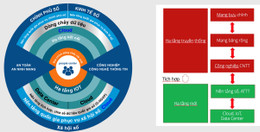
To address these shortcomings, the newly approved ICT infrastructure master plan introduces a forward-looking paradigm. The overarching vision bridges the physical world with digital space, positioning the postal network as an essential national asset. Beyond traditional letter delivery, the modern postal infrastructure is engineered to guarantee the seamless, uninterrupted flow of physical goods alongside digital data streams, operating in close coordination with national transportation and logistics networks.
The formulation of these development targets and scenarios was informed by rigorous research, data analysis of existing public postal networks, and comprehensive benchmarking against domestic and international industry trends. The MIC’s Vietnam Institute of Strategy and Information and Communications Technology closely collaborated with the Central Post Department and major logistics enterprises—including Vietnam Post and Viettel Post—to ensure that every target, indicator, and development plan possesses a high degree of feasibility.
Strategic Objectives and Technological Modernization for 2025–2030
Under the guidance of MIC leadership, particularly Deputy Minister Phan Tâm, major postal enterprises have been directed to concentrate resources on deploying a large-scale, technologically advanced postal infrastructure tailored to the demands of e-commerce. A key pillar of this directive is the enhancement of resource-sharing mechanisms to drive down logistics costs and boost national competitiveness.
The master plan establishes rigorous benchmarks for the postal sector leading up to 2025 and 2030. By 2025, the total operational and service capacity of the network is targeted to reach 93,000 parcels per day. To ensure high service quality across domestic and international markets, processing times between regional sorting centers are capped at a maximum of 5 days, while intra-city deliveries must be completed within 2 days.
Furthermore, the physical architecture of the network is expanding through the establishment of specialized nodes. The strategy outlines the creation of 3 regional postal centers by 2030, each possessing an average handling capacity of over 11,000 parcels per day and an average service radius of 350 kilometers. Additionally, 14 provincial and zone-level postal centers will operate with average processing capacities exceeding 4,500 parcels per day across an average service radius of 115 kilometers.
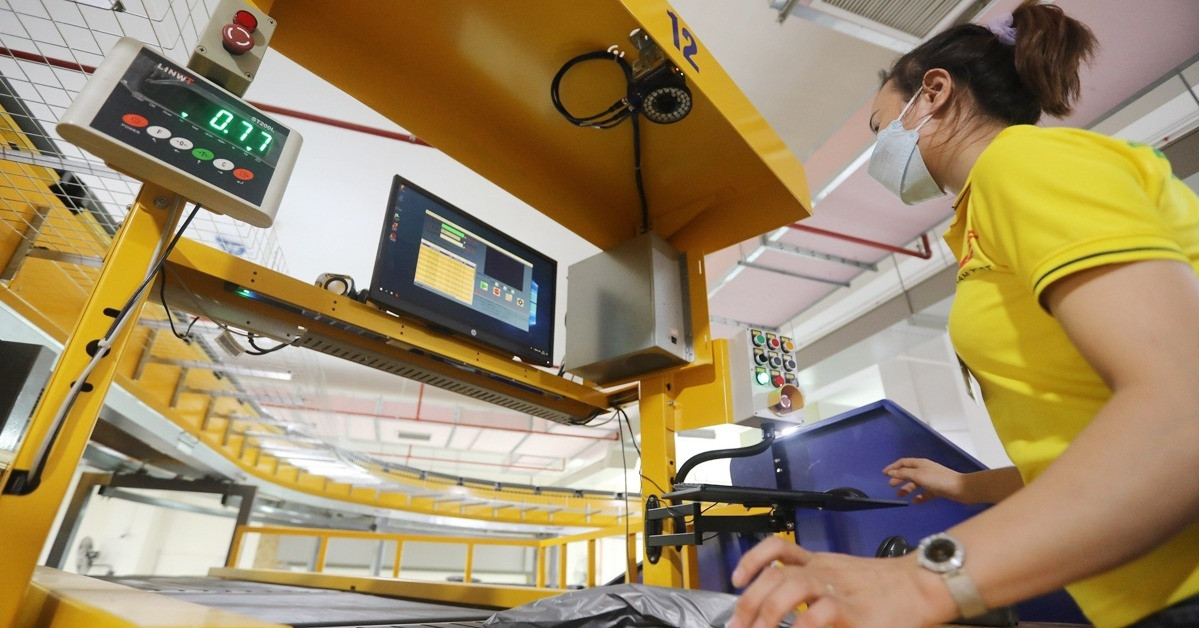
Technological innovation remains central to this transformation. Enterprises operating within the postal ecosystem are mandated to adopt advanced technologies, including automated sorting systems, high-speed parcel scanning and processing equipment, advanced tracking systems, and Internet of Things (IoT) devices. These investments are designed to maximize resource efficiency, minimize overhead logistics expenditures, and transition traditional labor-intensive operations into automated, data-driven hubs.
The Essential Role of Vietnam Post and Public-Private Collaboration
While Vietnam Post, as the designated national public postal operator, carries the primary responsibility for maintaining the public postal network, the master plan explicitly encourages participation from private logistics and postal enterprises. The development and deployment of national digital postal platforms are shared responsibilities that require collective investment from all market stakeholders.
Representatives from Vietnam Post have emphasized that the inclusion of the postal network within the 2021–2030 ICT infrastructure master plan marks a critical milestone. This framework not only validates the public postal network’s enduring strategic value but also provides commercial operators with clear regulatory backing to adapt to new technological eras. The postal network functions as the physical anchor that guarantees the final delivery stage of the digital economy, completing the ecosystem required for a thriving digital nation, government, and society.

Public authorities have reiterated that every citizen across Vietnam—regardless of geography—must have equitable access to stable, high-quality postal services at reasonable prices. This inclusive approach ensures that remote and rural communities are not left behind in the country’s broader digital and economic transformation. By integrating postal services deeply into the national supply chain, the government aims to prevent supply chain bottlenecks during emergencies and crises, ensuring unbroken commercial continuity.
Broader Economic Impacts and Future Implications
The integration of postal infrastructure into the broader ICT master plan carries profound economic implications for Vietnam. Logistics costs in Vietnam have historically remained higher than regional averages, constrained by fragmented infrastructure and insufficient multimodal integration. By establishing a synchronized network of regional and local postal centers that share infrastructure and data, the government aims to systematically lower these overhead costs.
Enhanced postal infrastructure directly empowers small and medium-sized enterprises (SMEs) and agricultural producers in rural provinces. With reliable, high-capacity parcel delivery networks extending deep into local communities, regional producers can more easily participate in domestic and cross-border e-commerce platforms. This capability broadens market access, stimulates local economies, and supports national initiatives aimed at narrowing the economic divide between urban centers and rural regions.
As Vietnam continues to execute its national digital transformation strategy, the modern postal network stands out as a unique bridge connecting the physical and digital worlds. By combining rigorous master planning, technological modernization, and collaborative public-private execution, the country is well-positioned to establish a resilient, highly competitive logistics and postal ecosystem that underpins sustainable socio-economic development for decades to come.