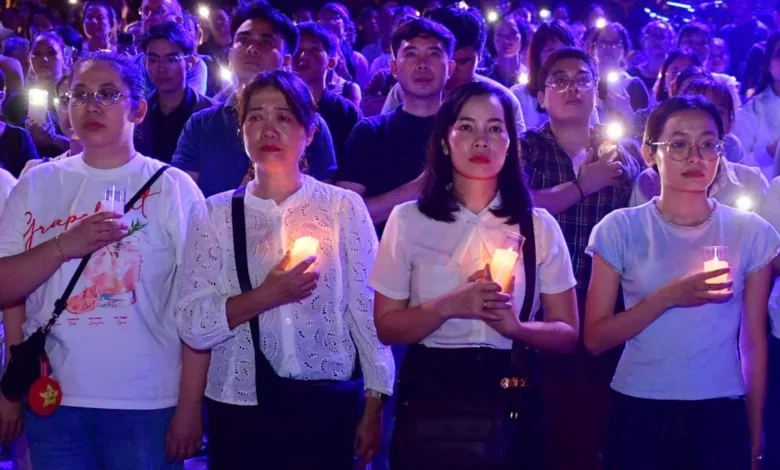
The city of Ho Chi Minh City stood in solemn reflection on the evening of September 16, 2026, as over 1,000 citizens and prominent artists gathered at Cong Vien 1 (Park No. 1) on Le Thai To Street. The event, titled "Nghia Tinh Phuong Nam – Cung Con Di Tiep Cuoc Doi" (Southern Affection – Walking Together with Children for the Journey Ahead), served as a poignant memorial marking the fifth anniversary of the devastating Covid-19 pandemic. The gathering was not merely a concert, but a collective act of remembrance for the thousands who lost their lives during the city’s most challenging health crisis in recent history.

A Night of Somber Reflection
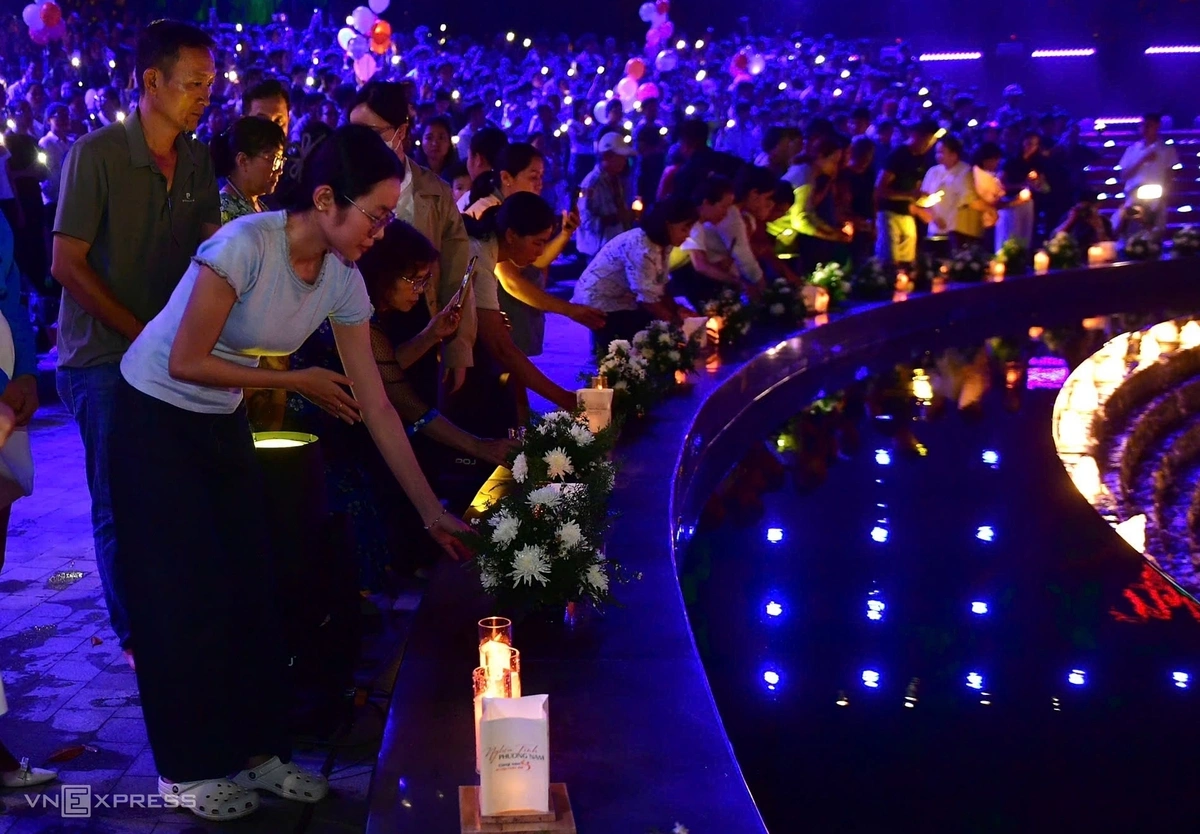
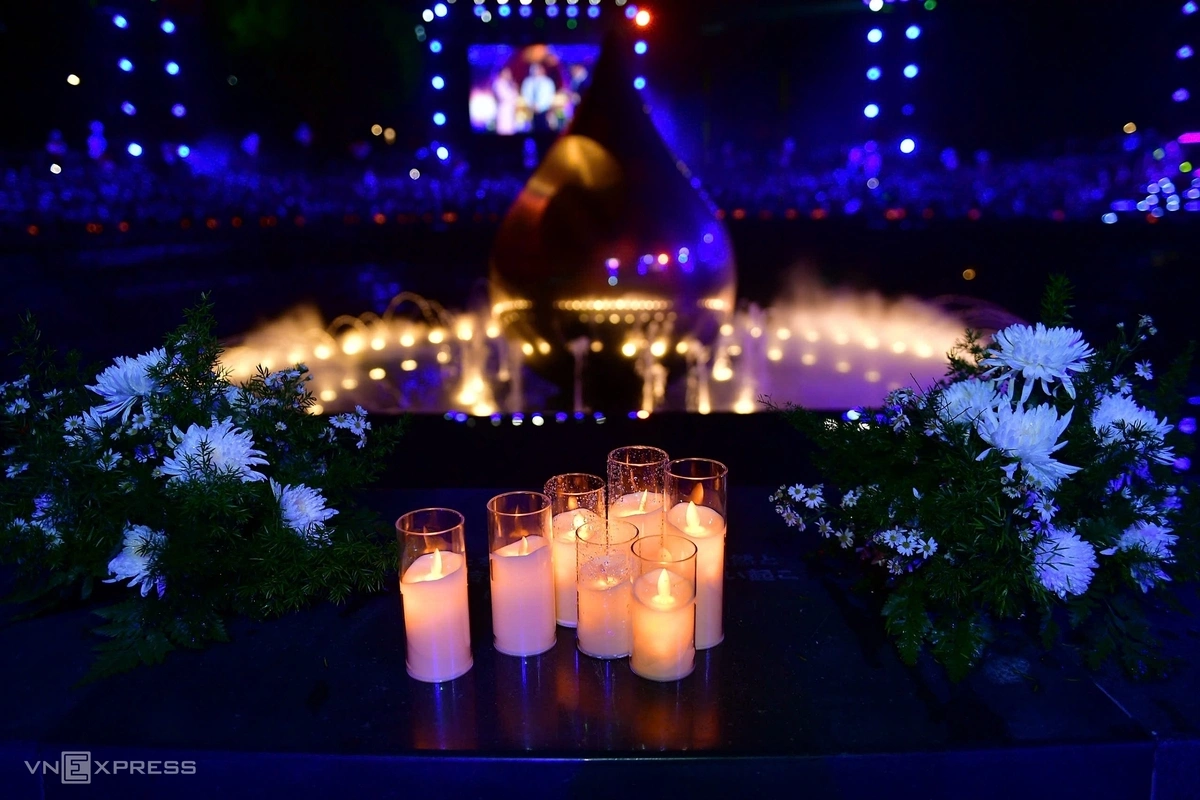
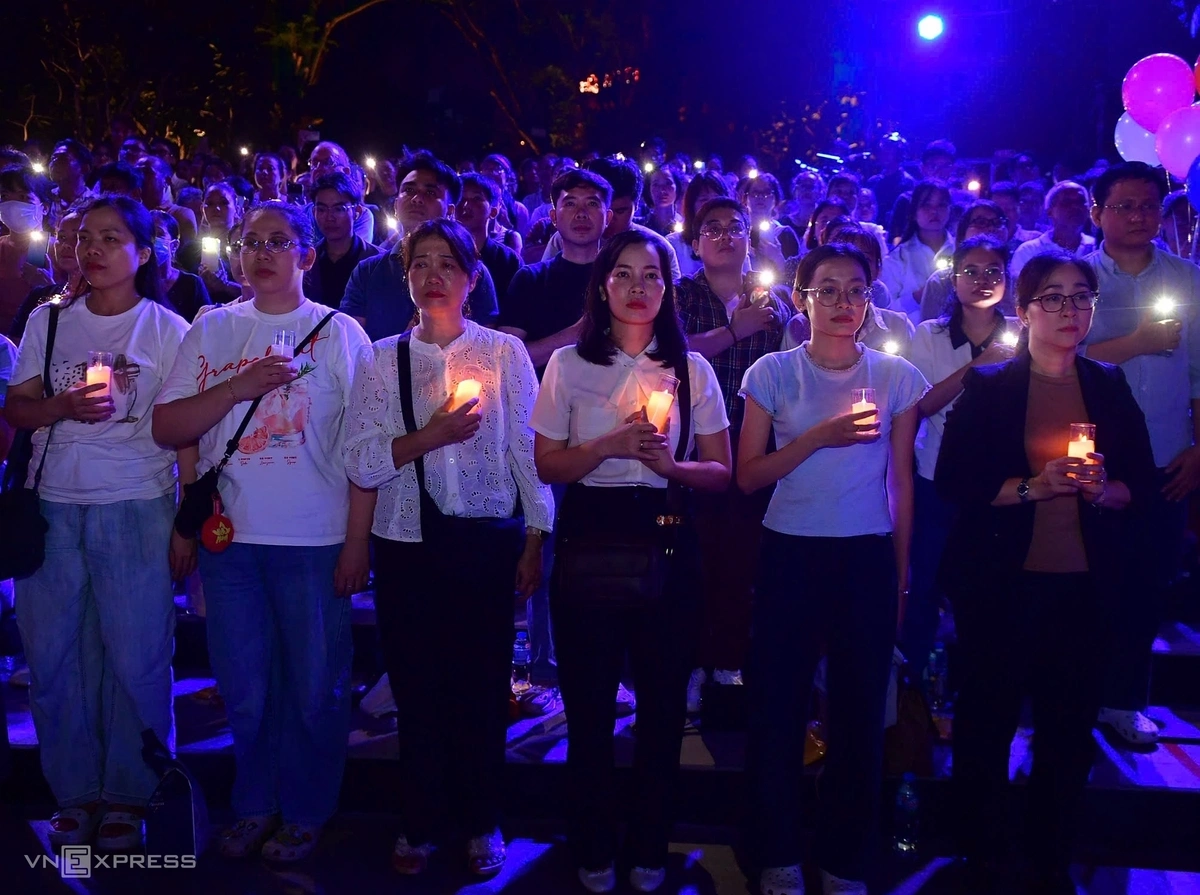
As the sun set, the atmosphere at the park shifted from the bustle of urban life to a quiet, reverent space. In the center of the venue, a circular arrangement of candles and flowers served as the focal point for the evening, positioned near a fountain. The visual centerpiece of the event involved attendees lighting flashlights on their mobile phones, creating a sea of soft, flickering light that encircled the monument—a symbolic gesture representing the enduring memory of the deceased.
The emotional core of the event was reached when organizers screened documentary footage of the pandemic’s darkest days. The raw, unfiltered clips—ranging from the frantic sound of ambulance sirens echoing through empty, night-time streets to the sterile, haunting beeps of medical equipment in Intensive Care Units (ICU)—left many in the audience visibly moved. The juxtaposition of these haunting memories with the presence of surviving family members underscored the lingering trauma that many in Ho Chi Minh City continue to navigate five years later.
The Human Cost: Addressing the Legacy of Loss
While the pandemic is officially behind the city, the social and psychological ripples remain profound. Organizers of the memorial highlighted a sobering statistic: nearly 4,400 children across the country lost one or both parents to the virus. In Ho Chi Minh City alone, this figure exceeds 2,300, representing a generation of youth whose developmental paths were irrevocably altered by the loss of their primary caregivers.
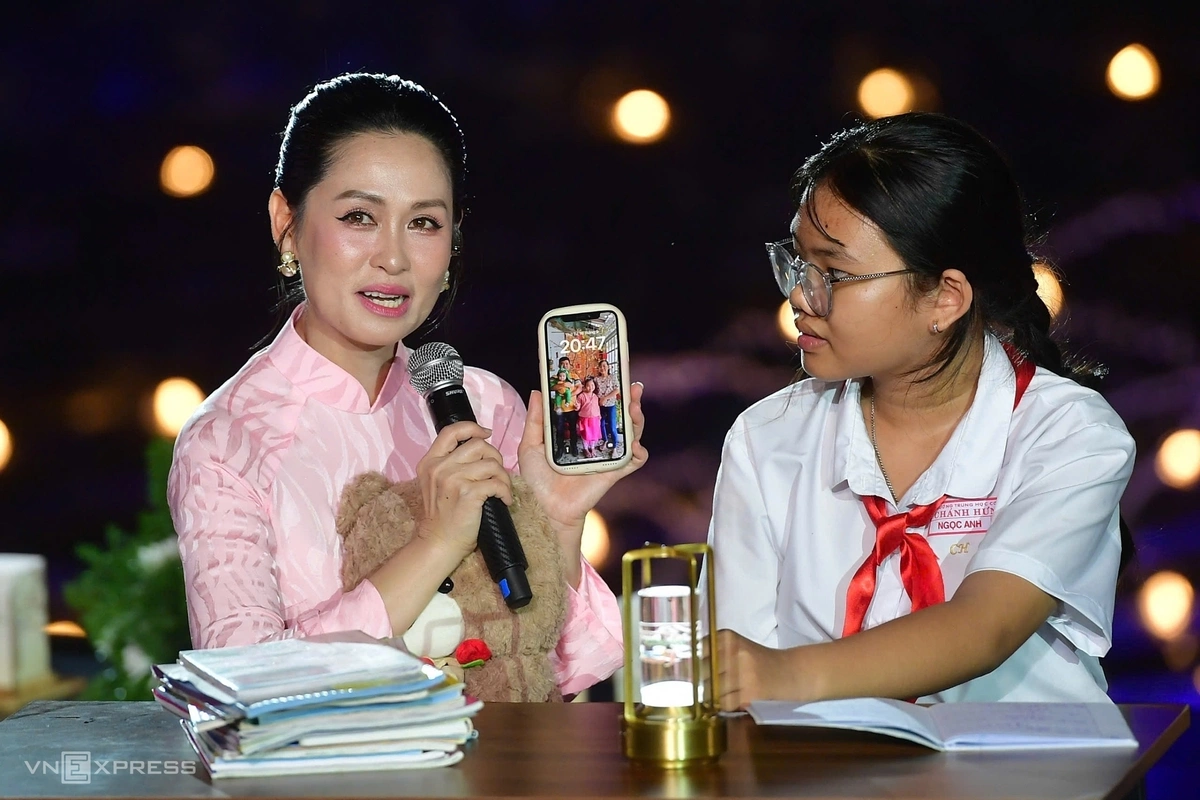
Among those sharing their stories was 14-year-old Nguyen Le Ngoc Anh, who attended the ceremony with her mother. Her father, a casualty of the pandemic, remains a daily presence in their home through the digital remnants left behind on his phone. For Ngoc Anh, the device is a repository of family memories, serving as a bridge between the life they knew before 2021 and the reality of their current existence. Her mother, who suffers from long-term health complications following her own battle with the virus, continues to work in manual labor to support her children, illustrating the ongoing economic struggle faced by many pandemic-affected families.
Artistic Tributes and Narrative Performance
The event integrated music and theater to process collective grief. The performance titled "Giai Doan Dich Benh" (The Pandemic Phase), featuring actors Ly Gia Han, Bao Son, and Trang Tuyen, depicted the fragility of domestic happiness when faced with the sudden onset of the virus. The play served as a narrative bridge, connecting the audience to the lived experiences of those who were forced to confront the sudden absence of parents.
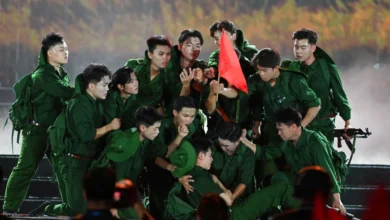
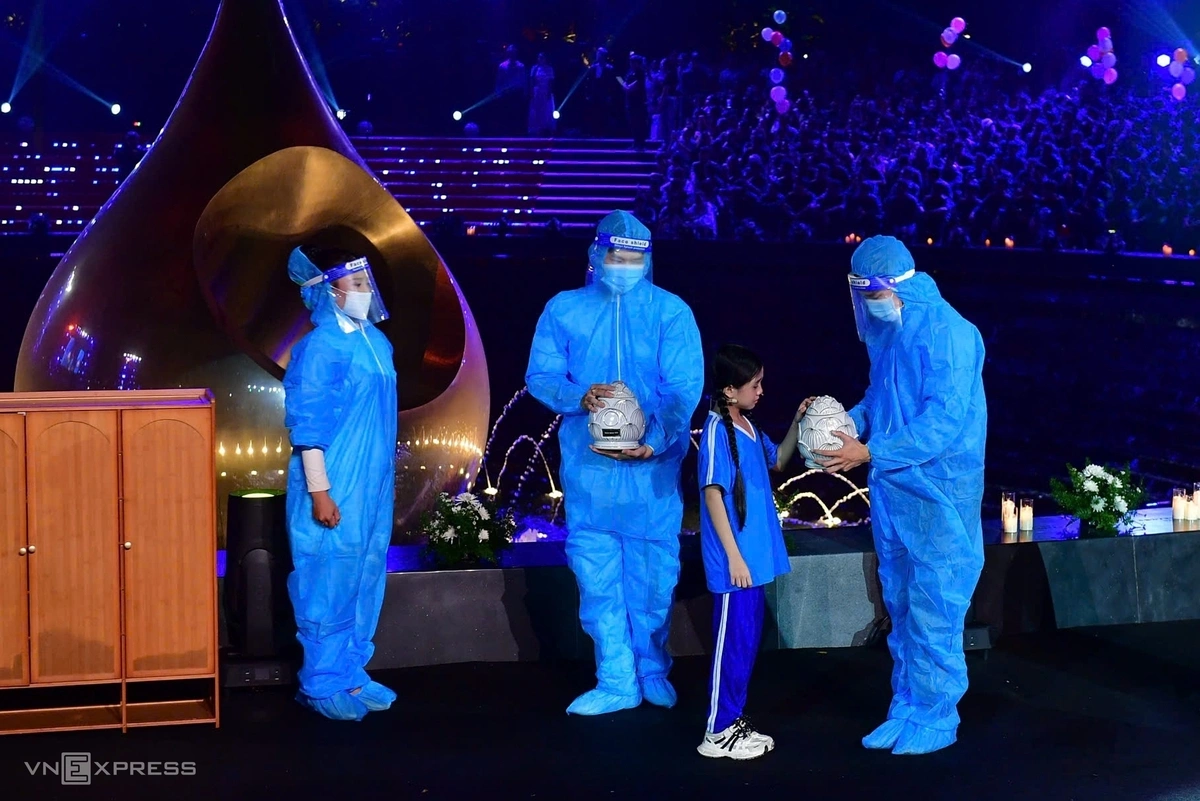
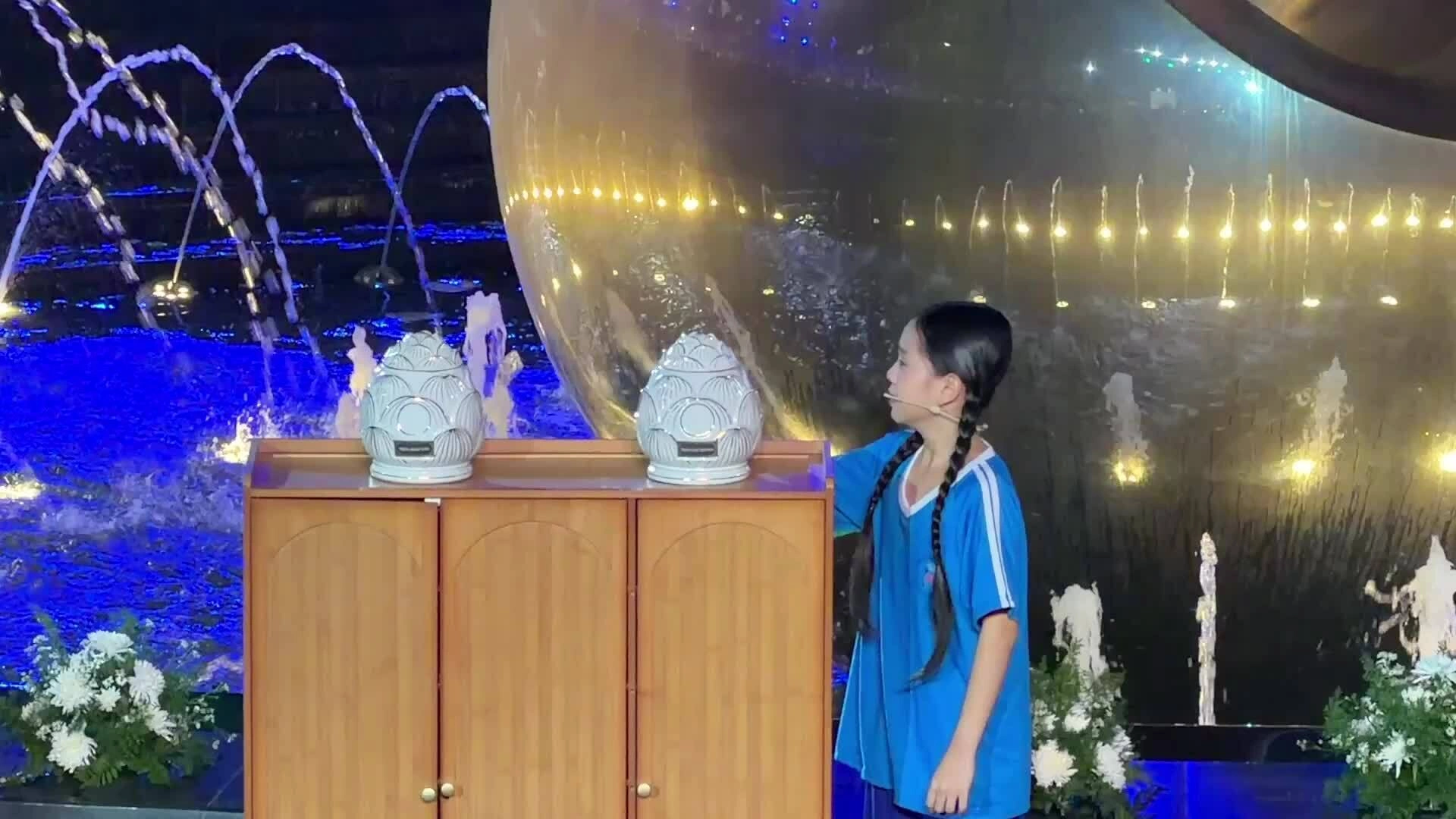
Renowned artists, including Dam Vinh Hung, Quang Dung, and Uyen Linh, contributed their voices to the memorial. Dam Vinh Hung performed "Hay Cho Con Mot Mai Nha" (Give the Child a Home), a song composed by Gin Tuan Kiet, which resonated deeply with the attendees. Uyen Linh’s performance of "Me Yeu Con" (Mother Loves Child), accompanied by a reenactment of volunteers transporting ashes of the deceased back to their families, was a particularly heavy moment that brought many to tears. Quang Dung’s rendition of Trinh Cong Son’s "De Gio Cuon Di" (Let It Be Carried Away by the Wind) provided a philosophical framing of loss, encouraging the audience to find solace in the transient nature of life.
Perspectives from the Frontline
Dr. Truong Vinh Long, Director of Gia An 115 Hospital, provided a medical professional’s perspective during the event. Reflecting on his memories of the peak of the pandemic, he noted that the images burned into his mind were not of the sirens or the logistics of the crisis, but rather the "bewildered looks in the eyes of patients standing on the threshold between life and death." He praised the resilience of his colleagues who worked through sleepless nights, noting that their collective effort was fueled by a refusal to give up on their patients. According to Dr. Long, the collective trauma of the city is something that cannot be easily measured by statistics, but is felt in the "thousands of empty chairs" left behind in households across the region.
Economic and Social Implications
The event also saw significant charitable engagement. Businessman Johnathan Hanh Nguyen, a long-time supporter of community initiatives, donated 10 billion VND to assist in the support of the orphaned children. He emphasized the necessity of community solidarity, urging others to contribute whatever they can to ensure that the children left behind have access to education and basic necessities.
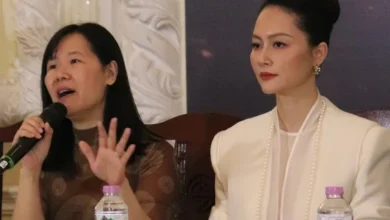
The memorial was organized in collaboration with Thanh Nien newspaper and the Vietnam Television Center in the South. Directors Nguyen Minh Hoang and Tran Hoa Yen, who oversaw the staging, aimed to create a space that acknowledged the past while offering a path toward the future. The program was designed to be a blend of mourning and optimism, featuring performances such as "Song Nhu Nhung Doa Hoa" (Living Like Flowers) by Quoc Dai, Quang Ha, and the Mat Ngoc group, intended to remind the audience of the resilience inherent in the human spirit.
A Chronology of Recovery
Five years after the onset of the pandemic, the city has undergone significant socio-economic recovery. However, the memorial served as an essential reminder that "recovery" does not equate to "forgetting." The event marked a formal recognition of the long-term societal impact of Covid-19, moving beyond the initial emergency response phase into a period of long-term social welfare.
The structure of the event—alternating between musical tributes, personal testimonies, and documentary screenings—mirrored the complex process of healing. By inviting both the public and those directly affected by the loss of loved ones, the organizers fostered an environment where grief could be expressed openly.
Looking Toward the Future
As the memorial concluded, the message was clear: while the physical threat of the virus has diminished, the emotional and social work of supporting the victims’ families is far from over. The data surrounding the number of orphans and affected households suggests that programs of this nature will remain relevant for many years to come.
The gathering at Park No. 1 serves as a microcosm of Ho Chi Minh City’s broader approach to the pandemic’s legacy. By institutionalizing the act of remembrance, the city ensures that the sacrifices made during the 2021 crisis are not relegated to the footnotes of history. The evening was a testament to the endurance of communal bonds, a reaffirmation of the city’s commitment to its most vulnerable citizens, and a solemn acknowledgement of the profound, collective sorrow that continues to shape the identity of those who lived through the darkest chapters of the pandemic.
In the final analysis, the event underscored that while society has moved forward, the scars of 2021 remain a part of the city’s living history. Through music, memory, and material support, the community continues to walk together, attempting to bridge the gap between the tragic past and a more hopeful, stable future for those who were left behind.