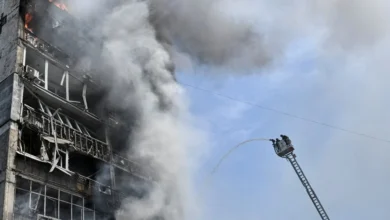
Escalating Middle East instability threatens global economic stability and energy security

The geopolitical landscape in the Middle East has entered a period of profound volatility, with recent military escalations directly threatening the integrity of global energy supply chains and maritime trade routes. As tensions reach a new zenith, the international community is bracing for the potential of a severe economic shock. The convergence of territorial seizures, persistent attacks on energy infrastructure, and heightened diplomatic friction between global powers has effectively created a "choke point" crisis that risks destabilizing energy markets and driving up inflationary pressures worldwide.
The Strategic Seizure of Perim Island
On September 12, international monitors and local government officials confirmed that Houthi forces operating out of Yemen had seized control of Perim Island, also known as Mayyun. Located strategically within the Bab al-Mandab Strait, the island serves as a critical maritime gateway connecting the Red Sea to the Gulf of Aden. This narrow waterway is one of the most vital transit points for global energy, accounting for a significant portion of the world’s daily oil and liquefied natural gas (LNG) shipments.
The occupation of Perim Island by Houthi forces—an Iran-aligned faction currently embroiled in a multi-year conflict with the internationally recognized Yemeni government—represents a tactical escalation. By asserting physical control over the island, the group now holds a direct vantage point over the strait, creating an existential threat to commercial shipping lanes. The ability to monitor or interfere with maritime traffic in this region provides the Houthis with significant leverage, transforming a vital global artery into a theater of military confrontation.
Infrastructure Under Siege: The Red Sea Pipeline Crisis
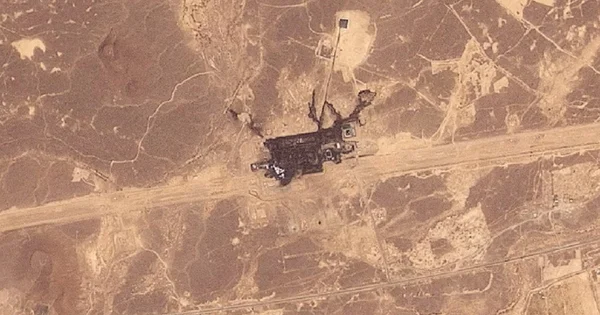
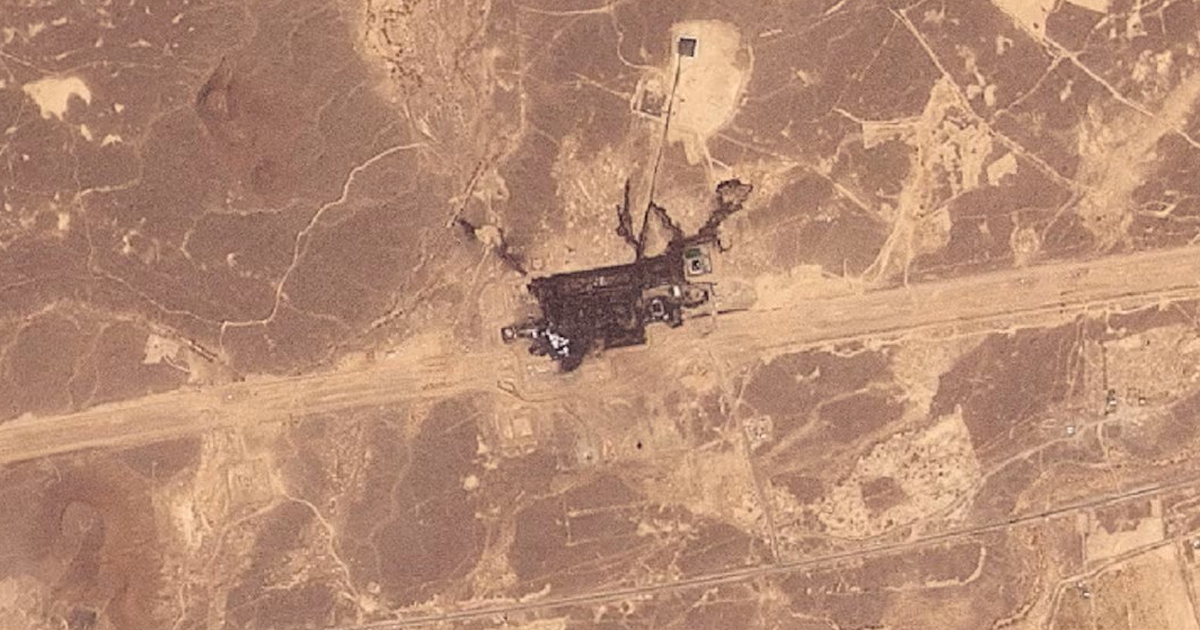
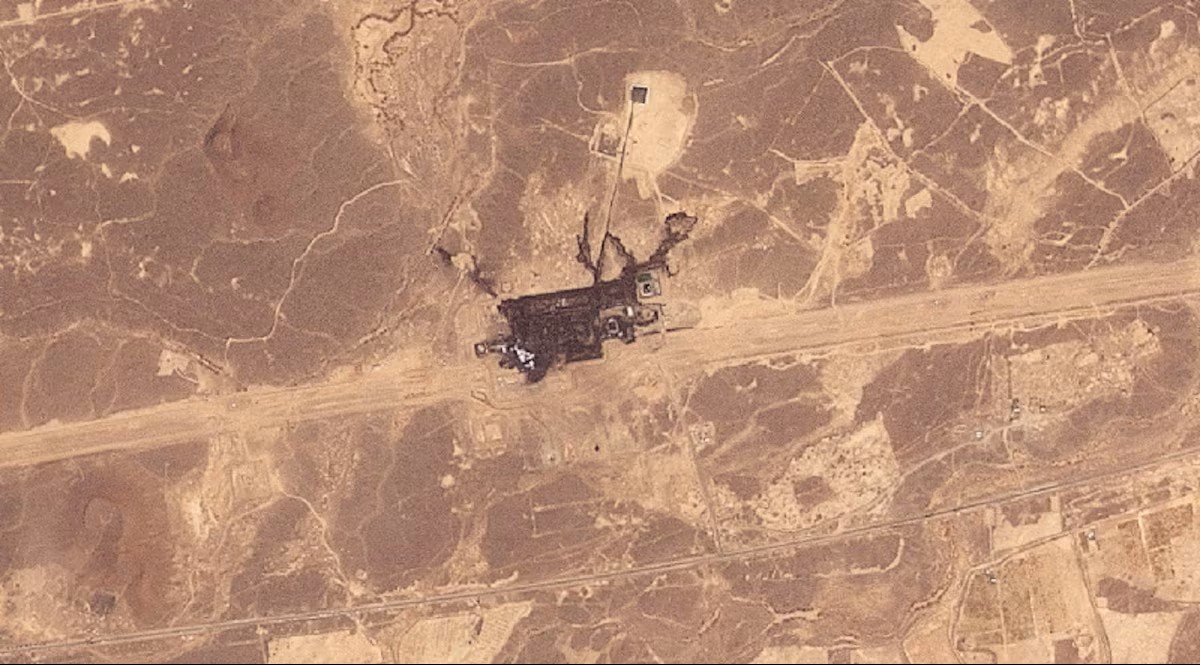
Concurrent with the maritime instability, reports have emerged regarding the closure of the East-West pipeline, a crucial conduit for Saudi Arabian crude oil. The closure was necessitated by a series of precise drone strikes attributed to regional non-state actors. The East-West pipeline was designed specifically to bypass the volatile Strait of Hormuz, providing a secure route for oil to travel from the oil-rich Eastern Province to the port of Yanbu on the Red Sea.
By targeting this pipeline, aggressors have struck at the heart of Saudi Arabia’s export diversification strategy. With the Bab al-Mandab strait facing potential blockade and the East-West pipeline suffering from physical damage, the redundancy systems built into the global energy architecture are rapidly failing. President Donald Trump, in a recent statement to the Irish press, publicly placed the onus on Iran, alleging that the nation bears direct responsibility for the state-of-the-art drone technology used in the attacks. This rhetoric signals a potential shift in the international diplomatic approach, as Western nations consider the threshold for direct intervention.
Historical Context and Chronological Development
To understand the current crisis, one must look back to the onset of the regional instability that began in late 2023. Following the outbreak of conflict in Gaza, the Houthi movement intensified its campaign against international shipping. Throughout 2024, the frequency and sophistication of these attacks increased, forcing major shipping conglomerates to redirect their vessels away from the Red Sea.
- Late 2023: Initial attacks on merchant vessels in the Red Sea begin as a stated retaliation against regional military operations.
- January 2024: Moody’s Analytics reports that shipping traffic through the Red Sea and the Suez Canal plummeted by approximately two-thirds.
- Mid-2024: Shipping companies begin rerouting vessels around the Cape of Good Hope, a detour that adds thousands of miles to the journey between Asia and Europe.
- September 2026: The current crisis emerges, marked by the seizure of Perim Island and the neutralization of the East-West pipeline, effectively closing the two primary "escape valves" for global oil distribution.
The Economics of Disruption: Data and Projections
The economic implications of these events are quantifiable and severe. According to data provided by the Baltic Exchange, the cost of transporting crude oil via supertankers from the Gulf of Oman to China has surged to $11.50 per barrel, the highest level recorded since the onset of the Iran-related conflicts.
The reliance on these routes is absolute; approximately 12% to 15% of all global maritime trade passes through the Red Sea. When this route is compromised, the logistical burden shifts to the route around the Cape of Good Hope. Historical data from the 2023-2024 period shows that such rerouting increases the average travel time by 25% and doubles the operational costs for shipping lines.
In the current environment, the situation is exacerbated by rising energy costs. Because energy is an input for almost every sector of the global economy, the disruption of oil supply creates a cascading effect. As the price of fuel increases, the cost of transporting goods—from grain to consumer electronics—rises, fueling inflation in both developed and emerging markets.
The Defense Production Act and U.S. Energy Strategy
In response to the tightening supply, the White House has reportedly begun deliberations on invoking the Defense Production Act (DPA). This legislative tool, historically used for national security crises, would allow the U.S. government to provide financial incentives to domestic energy companies, effectively mandating an increase in production capacity to stabilize prices.
Industry experts have suggested that rather than building new, time-consuming refineries, the government should prioritize upgrading existing facilities. U.S. refineries are currently operating near maximum capacity, yet they remain vulnerable to the same global price fluctuations that have impacted other markets. By streamlining the expansion of domestic extraction and refining, the administration hopes to create a buffer against the volatility of the Middle East.
Reports indicate that the U.S. government has already begun taking active stakes in private energy firms, such as a recent 35% acquisition in a Venezuelan oil company, as part of a broader strategy to diversify the global supply. Furthermore, proposals for new refinery construction in Texas are under active review. These measures underscore the administration’s recognition that the current geopolitical situation is not a temporary anomaly, but a structural shift requiring a long-term energy security overhaul.
Broader Implications for Global Stability
The closure of the Bab al-Mandab and the neutralization of the East-West pipeline represent more than just a logistical challenge; they represent a fundamental challenge to the post-war rules-based maritime order. If international powers cannot guarantee the safety of transit through these vital channels, the concept of a globalized economy becomes increasingly untenable.
From a macroeconomic perspective, the world is facing a "trilemma": balancing energy security, price stability, and geopolitical containment. If energy prices continue to spike, central banks may be forced to maintain higher interest rates for longer, potentially stifling economic growth and increasing the risk of a global recession.
Moreover, the diplomatic fallout of these events could lead to a broader realignment of regional alliances. As Saudi Arabia, the UAE, and other Gulf nations observe the limitations of current security guarantees, there is an increasing likelihood that they will pursue independent military capabilities or seek new strategic partnerships to secure their borders and export routes.
Conclusion
The confluence of events in the Middle East has brought the global economy to a precarious juncture. With vital shipping lanes under threat and key infrastructure projects disabled, the international community is facing a test of both diplomatic resolve and economic endurance. The coming weeks will be critical; the ability of major powers to restore stability to the Red Sea, or alternatively, the success of nations in accelerating energy independence, will determine whether the world experiences a temporary disruption or a prolonged period of economic stagnation. As the situation evolves, the focus remains on the delicate balance between preventing a full-scale regional war and ensuring that the global energy lifeline remains open for business.