Deputy Prime Minister Pham Thi Thanh Tra Works with the Ministry of Home Affairs on Key Administrative Reform Initiatives and Governance Models

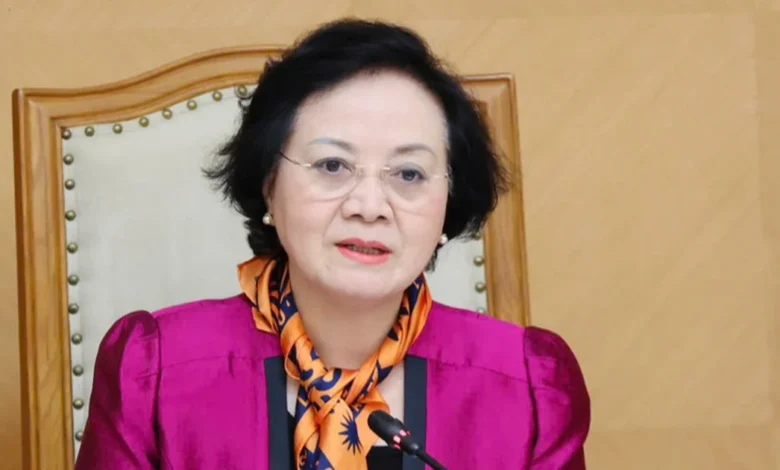
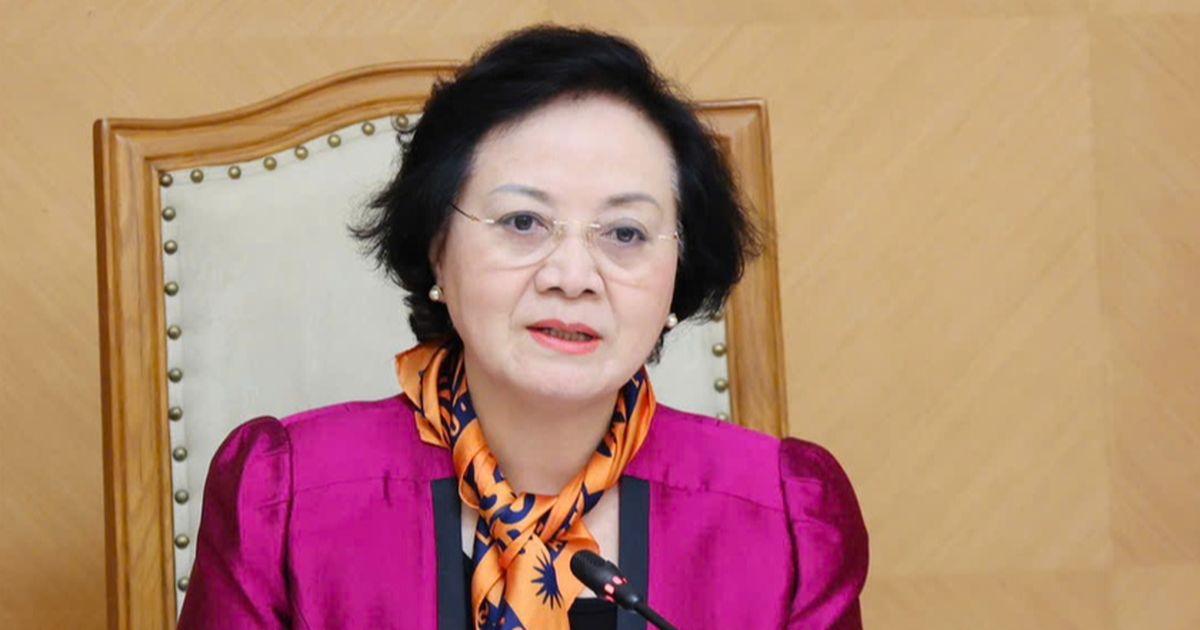
On September 15, Deputy Prime Minister Pham Thi Thanh Tra held a high-level working session with leadership officials from the Ministry of Home Affairs to deliberate on three critical, highly complex administrative reform initiatives. The meeting focused on designing a self-governance model for rural communities and hamlets, establishing a nucleus commune-level administrative unit model aimed at transforming grassroots administration into regional cultural and administrative hubs, and formulating a standardized functional framework for state administrative bodies ranging from the central government down to local authorities.
The discussions underscored the government’s ongoing commitment to streamlining the state apparatus, enhancing administrative efficiency, decentralizing authority, and fostering sustainable local socio-economic development. These initiatives represent major pillars in Vietnam’s broader national strategy to modernize public governance, reduce bureaucratic redundancy, and empower grassroots communities.
Defining the Nucleus Commune-Level Administrative Unit
Addressing the meeting, Deputy Prime Minister Pham Thi Thanh Tra emphasized that the three proposals under review are multifaceted tasks requiring rigorous research to ensure practicality, structural integrity, and feasibility. Among these, the project concerning commune-level administrative units with "nucleus" characteristics requires careful positioning within the overall hierarchy of local government structures.
The Deputy Prime Minister clarified that this concept does not imply the creation of an entirely new category of administrative units or a radical departure from existing ones. Rather, it builds upon the existing foundations, scales, and conditions of current local governments, ensuring strong institutional continuity. A "nucleus" commune-level unit is defined as an administrative entity possessing established socio-economic development foundations, robust infrastructure, public services, and superior managerial capacity.
These selected units are intended to be empowered through decentralization and the allocation of supportive resources to evolve into administrative, developmental, and service-providing hubs for surrounding areas and provinces as a whole. Such models must demonstrate both internal growth capacity and the ability to link with and support other local administrative units within the same region, thereby generating crucial spillover effects for broader regional development.
Furthermore, the criteria for identifying these nucleus units must be meticulously designed. Authorities must focus on evaluating geographical position, core functions, development potential, population scale, natural land area, socio-economic and urban-rural infrastructure development levels, operational performance, governance capacity, and the capacity to drive digital transformation. Crucially, the criteria must remain flexible, accommodating the distinct characteristics of various regions—such as urban areas, rural zones, mountainous terrains, border regions, islands, and specific ethnic minority localities—rather than applying a rigid, one-size-fits-all framework.
Reforming Self-Governance in Residential Communities and Hamlets
Regarding the initiative to construct self-governance models within residential communities, village clusters, and neighborhoods, Deputy Prime Minister Pham Thi Thanh Tra stressed the fundamental principle that citizens and communities are the true masters of self-governance. The project must clearly delineate the responsibilities of the State, the responsibilities of the community, and the joint duties undertaken by both parties. This division is vital to prevent functional overlapping, administrative duplication, and the unnecessary expansion of bureaucratic machinery.
The self-governance model must be designed with openness and flexibility, reflecting local traditions, historical contexts, and community cultures. Governance should increasingly leverage data-driven approaches and digital transformation to enhance connectivity and community-led administration. The Deputy Prime Minister cautioned against creating unnecessary administrative layers that act as bureaucratic bottlenecks, urging instead for streamlined, practical organizational structures.
This initiative aligns with ongoing national efforts to enhance grassroots democracy, enabling local populations to take proactive roles in local security, environmental protection, infrastructure maintenance, and social welfare programs. By capitalizing on traditional social cohesion and modern digital tools, these community self-governance models aim to lighten the administrative burden on official local authorities while fostering greater civic engagement.
Standardizing the State Administrative Framework from Central to Local Levels
A major component of the working session involved reviewing the functional frameworks for agencies and units within the state administrative system, spanning from central ministries down to local people’s committees and departments. The Deputy Prime Minister directed that the structural framework must guarantee a lean apparatus operating with maximum effectiveness, efficiency, and seamless communication.
The primary objectives of this standardization are to elevate the quality of national and local governance, improve public service delivery, and minimize administrative friction. This must be achieved by ensuring continuity, stability, and minimal disruption to the routine operations of state organs, thereby avoiding institutional turbulence during restructuring phases.
The establishment of these functional frameworks must be closely tied to the effective execution of decentralization, the delegation of authority, and the aggressive elimination of intermediate bureaucratic layers. By systematically reviewing and cutting redundant administrative steps, the state apparatus can better respond to the socio-economic demands of citizens and businesses, cementing a foundation for modern, transparent, and accountable public administration in Vietnam.