Sun PhuQuoc Airways Soars with Ambitious Expansion, Targeting Regional and Global Skies

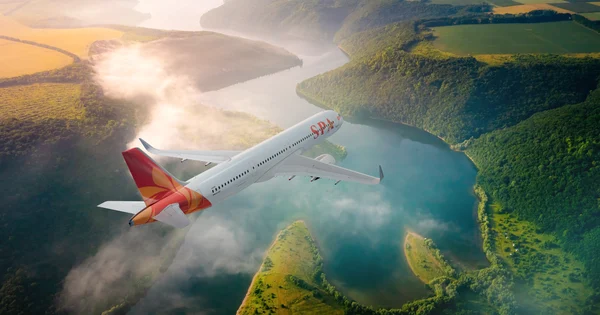
In a remarkable display of rapid growth and strategic vision, Sun PhuQuoc Airways (SPA), a nascent player in Vietnam’s competitive aviation sector, is quickly establishing itself as a formidable force. Despite launching its first commercial flights only in November 2025, the airline, a subsidiary of the prominent Sun Group, has unveiled an aggressive expansion strategy that includes a significant fleet increase to 32 aircraft by the end of 2026, the introduction of wide-body Airbus A330s for long-haul routes by September 2026, and a monumental deal for 40 Boeing aircraft slated for delivery from 2031. This swift ascent, coupled with an expansive route network connecting Phu Quoc to major Vietnamese cities and six international markets, positions Sun PhuQuoc Airways as a compelling phenomenon in the global aviation landscape. Its strategic objective is to transform Phu Quoc, often referred to as the Pearl Island, into a premier regional and international "Destination Hub," leveraging Sun Group’s integrated tourism ecosystem.
A Rapid Ascent in the Vietnamese Aviation Landscape
Sun PhuQuoc Airways formally entered the Vietnamese market in October 2025, with commercial operations commencing the following month. Its debut came at a pivotal time for the global and domestic aviation industry, marked by a robust recovery from the pandemic’s impacts but also facing persistent challenges related to operational costs, fleet availability, human resource development, infrastructure capacity, and intensifying competition. Despite these hurdles, this "newcomer" has demonstrated an "impressive roar" in less than a year of operation.
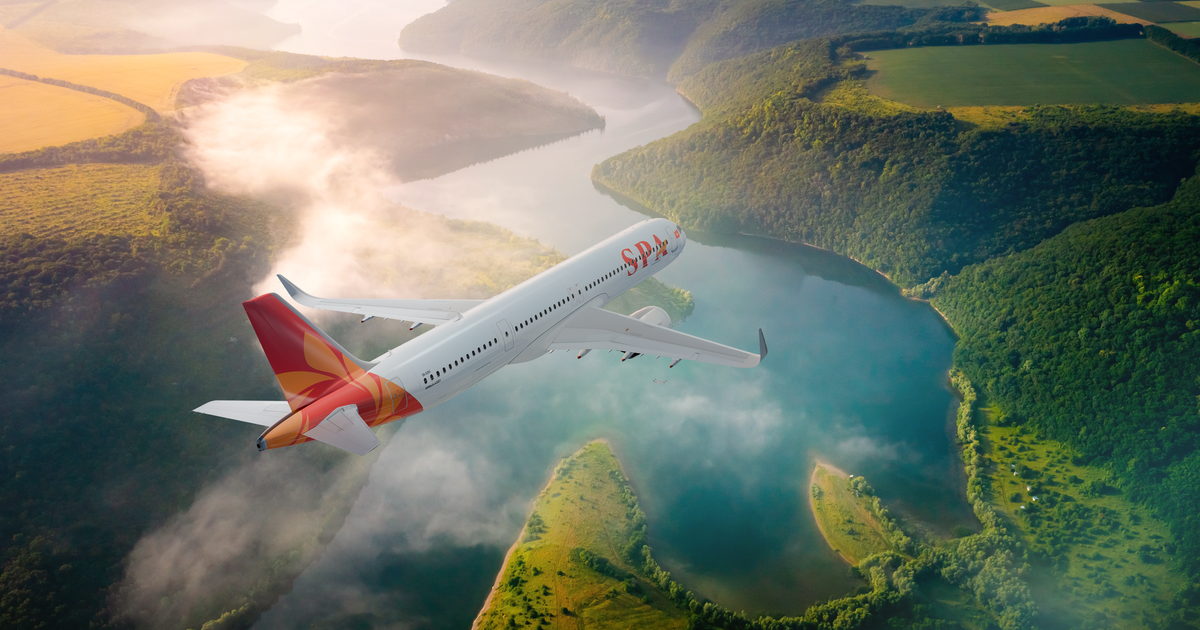
The airline’s growth trajectory is nothing short of extraordinary. From receiving its first aircraft in August 2025, SPA is projected to expand its fleet to 32 aircraft by the close of 2026. This rapid scaling up underscores not only significant financial backing but also sophisticated operational planning capabilities. Further solidifying its long-term ambitions, Sun PhuQuoc Airways is poised to enhance its transcontinental transportation capacity with the planned deployment of Airbus A330 wide-body aircraft by September 2026. These aircraft are crucial for enabling longer-range international flights, marking a strategic pivot towards global reach. Complementing this, the airline has also inked a substantial deal for 40 Boeing aircraft, with deliveries expected to commence from 2031. This dual-vendor strategy, incorporating both Airbus and Boeing aircraft, provides operational flexibility and access to diverse technological advancements in the aerospace industry.
This aggressive fleet acquisition and deployment strategy is particularly noteworthy within the context of Vietnam’s aviation sector. While established carriers like Vietnam Airlines and Vietjet Air have substantial fleets, a new entrant achieving such rapid expansion within its first year is rare. For instance, the total commercial aircraft fleet in Vietnam stood at approximately 230-240 aircraft in 2024, shared among several airlines. Sun PhuQuoc Airways’ target of 32 aircraft by 2026 would represent a significant percentage of this national fleet, highlighting its ambition to quickly capture market share. The investment required for such an expansion, encompassing aircraft acquisition or leasing, maintenance, and operational infrastructure, is substantial, signaling Sun Group’s profound commitment to this venture.
Forging Connectivity: Expanding Domestic and International Horizons
Central to Sun PhuQuoc Airways’ strategy is the continuous expansion of its route network, with Phu Quoc serving as the pivotal hub. From this strategic island, the airline has rapidly established domestic "spokes" connecting Phu Quoc with Vietnam’s major economic and tourist centers. These routes include high-demand destinations such as Hanoi, Ho Chi Minh City, Da Nang, Nha Trang, and Hai Phong. This domestic network is vital for feeding traffic into Phu Quoc, enhancing its accessibility for Vietnamese tourists and business travelers.
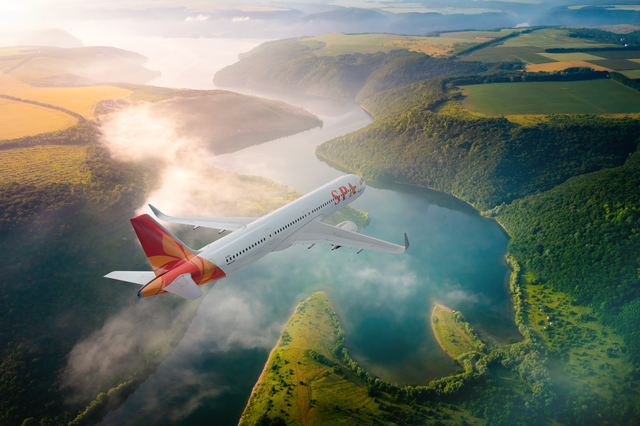
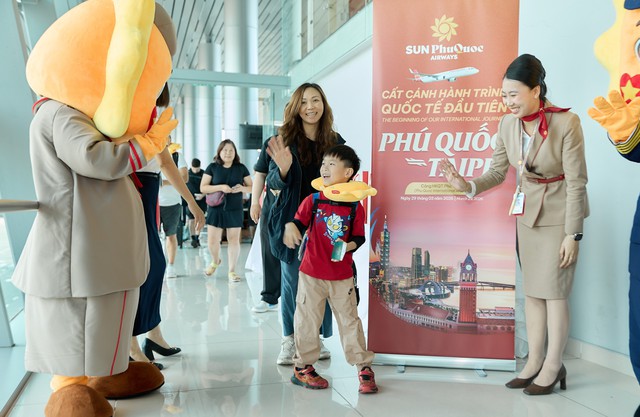
Concurrently, SPA has wasted no time in extending its reach internationally. Within its inaugural year, the airline has already established a presence in six key international markets in Asia. These include direct flights connecting Phu Quoc to important regional hubs and tourist hotspots such as Taiwan and Hong Kong (China), Seoul (South Korea), Singapore, Bangkok (Thailand), and Chengdu (China). These routes are carefully chosen to tap into strong inbound tourism markets and facilitate business exchanges.
Looking ahead, Sun PhuQuoc Airways has even more ambitious plans for international expansion. The airline is actively pursuing the establishment of new routes to Malaysia, Japan, India, Russia, and Kazakhstan. This global outreach is indicative of a broader strategy to position Phu Quoc not just as a domestic gem, but as an internationally recognized and easily accessible tourist destination. The introduction of wide-body aircraft like the Airbus A330 will be instrumental in making these longer-haul routes economically viable and comfortable for passengers, enabling direct connections to more distant markets. This expansion directly contributes to Vietnam’s national goal of increasing international air connectivity and boosting tourism, especially to second-tier destinations like Phu Quoc.
Elevating the Passenger Experience: The "Resort Airline" Concept
Sun PhuQuoc Airways is not merely expanding its fleet and routes; it is fundamentally redefining the passenger experience with its unique "resort airline" concept, aimed at achieving international 5-star service standards. This distinct positioning seeks to integrate the luxury and relaxation of a resort experience with air travel, offering a seamless and indulgent journey from start to finish.
The "resort airline" model is brought to life through several innovative service features. Passengers can benefit from "hotel check-in," allowing them to complete flight formalities directly from their accommodations, thereby streamlining the airport process. The airline’s premium Sun Executive Lounges are designed to mimic luxurious resort environments, offering a serene and comfortable space for pre-flight relaxation. These lounges feature refined Vietnamese cuisine, carefully curated to reflect local culinary traditions, alongside a selection of international gastronomic brands, providing a diverse dining experience.
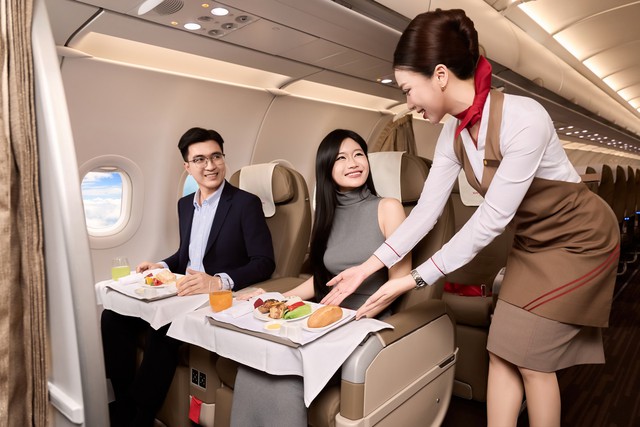
A distinctive sensory element is the "Oriental freshness" scent, specifically the "La Festa" fragrance, infused throughout the cabin and lounge areas, creating a consistent and memorable brand identity. In-flight, the focus remains on comfort and luxury. Aircraft are equipped with spacious seating made from high-quality materials, ensuring a comfortable journey. The dining experience is elevated to restaurant-quality standards, with hot meals served in a style reminiscent of fine dining establishments. State-of-the-art wireless entertainment systems provide a wide array of options for passenger enjoyment.
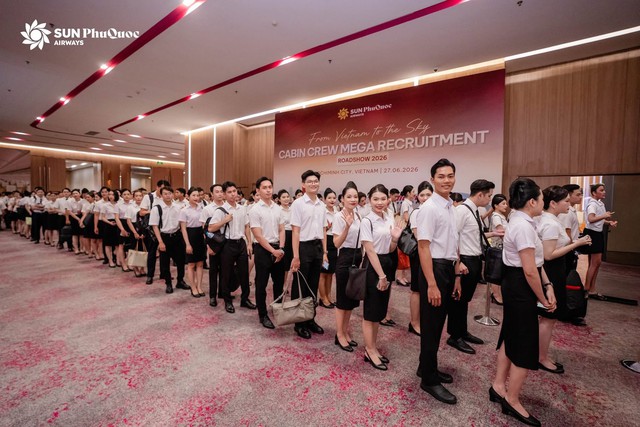
Underpinning this elevated service is the "SPArkle" service culture, emphasizing attentive and heartfelt hospitality. To uphold these high standards, Sun PhuQuoc Airways is undertaking a massive recruitment drive, planning to hire 1,000 flight attendants. This global recruitment program is crucial for building a diverse and skilled workforce capable of meeting the demands of an international airline. Flight attendants are not only trained to meet stringent safety and operational standards but also to possess strong multicultural communication skills, enabling them to cater to a diverse clientele and positively represent a modern, professional, and hospitable Vietnamese airline on the global stage. This commitment to human capital development reflects the understanding that exceptional service ultimately stems from dedicated and well-trained personnel. By the end of 2026, the airline aims to have all narrow-body aircraft cabins upgraded to a consistent business class standard, aligning with the luxurious experience offered on its upcoming Airbus A330 fleet, further solidifying its 5-star international service aspiration.
Phu Quoc’s Transformation: A "Destination Hub" in the Making
The rapid expansion of Sun PhuQuoc Airways is a direct reflection and catalyst for Phu Quoc’s broader development vision: transforming the island into a regional "Destination Hub." This strategic objective aims to make Phu Quoc a primary magnet for a large influx of international visitors, driving economic growth and tourism. The airline serves as a critical "link" within Sun Group’s expansive ecosystem, which includes not only aviation but also a vast portfolio of resorts, entertainment complexes, and luxury accommodations on the island. This integrated approach means that the airline’s routes bring visitors directly to a comprehensive tourism offering, encouraging longer stays, deeper engagement, and higher spending.
Phu Quoc’s potential for growth is immense, as evidenced by its past performance. Between 2015 and 2025, passenger traffic through Phu Quoc’s air network surged from 1.41 million to 5.81 million, representing a staggering increase of over 300% within a decade. Despite this impressive growth, the island still has significant room for expansion when compared to established regional tourism powerhouses. For context, Phu Quoc’s current passenger volume is still only about 36% of Phuket’s and 29% of Bali’s, indicating a vast untapped market potential. This disparity underscores the strategic imperative to enhance connectivity and infrastructure to unlock Phu Quoc’s full capabilities.
The "Destination Hub" model pursued by Sun PhuQuoc Airways and Sun Group is designed to make Phu Quoc the compelling reason for travelers to choose, stay, experience, and spend. Every new route opened by SPA is envisioned as a new market corridor, bringing Phu Quoc closer to international visitors and simultaneously creating opportunities for trade, investment, and cultural exchange.
Furthermore, the upcoming APEC 2027 conference, which Phu Quoc is slated to host, provides an unprecedented impetus for the island’s infrastructure development and international connectivity. This high-profile event will attract global leaders and delegates, placing Phu Quoc in the international spotlight and spurring further investments in its airport, roads, and hospitality sectors. In this context, the role of an airline like Sun PhuQuoc Airways, which is explicitly centered on Phu Quoc as its hub, becomes even more critical in realizing the island’s potential as a truly international gateway.
Broader Implications for Vietnam’s Aviation and Tourism
Sun PhuQuoc Airways’ ambitious trajectory carries significant implications for Vietnam’s entire aviation and tourism sectors. The airline’s rapid expansion intensifies competition within the domestic market, potentially leading to improved service quality and more competitive pricing across the board as existing carriers strive to retain their market share. Internationally, SPA’s growing network enhances Vietnam’s overall air connectivity, making the country more accessible to tourists and business travelers from a wider range of global origins. This increased connectivity is vital for attracting foreign direct investment, facilitating international trade, and fostering cultural exchange.
The substantial investment in fleet and human resources by Sun PhuQuoc Airways also contributes to job creation and skill development within Vietnam. The recruitment of 1,000 flight attendants, along with pilots, ground staff, and maintenance personnel, provides significant employment opportunities and necessitates advanced training programs, elevating the overall standards of the national aviation workforce.
Ultimately, Sun PhuQuoc Airways is embarking on a journey that transcends mere market entry. It is a strategic endeavor to leverage Vietnam’s burgeoning tourism potential and integrate it with world-class aviation services. With its youthful fleet, extensive route network, meticulously prepared personnel, and unique, experience-rich flights, Vietnam’s newest airline is taking decisive steps towards realizing its grand ambition of "conquering" the international skies and firmly establishing Phu Quoc as a beacon of global tourism and economic activity. This venture exemplifies Vietnam’s growing confidence and capability on the international stage, signaling a new era for its aviation and tourism industries.
Related posts: