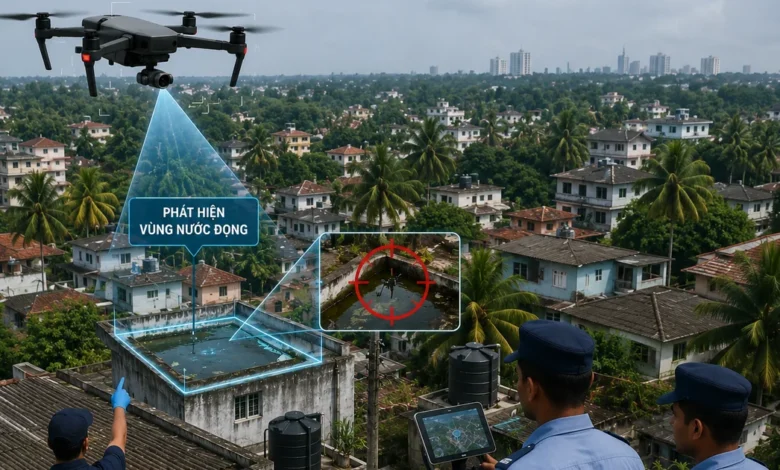
The Sri Lanka Air Force has officially commenced the deployment of high-tech unmanned aerial vehicles to identify stagnant water reservoirs on rooftops and in inaccessible urban areas as the island nation grapples with its most severe dengue fever outbreak in nearly a decade. This strategic military intervention aims to bolster the efforts of the Ministry of Health in controlling a crisis that has already seen tens of thousands of infections and dozens of fatalities since the beginning of the year. By utilizing drone technology, authorities are now able to conduct rapid surveillance of high-rise buildings and clogged gutter systems that were previously difficult to inspect, effectively eliminating potential breeding grounds for the Aedes aegypti mosquito, the primary vector for the disease.
The Escalating Crisis: A Statistical Overview
According to the latest data released by the Sri Lankan Ministry of Health and reported by international observers on July 21, the country has recorded a staggering 76,044 cases of dengue fever and 53 confirmed deaths since January. The current trajectory of the outbreak is causing significant alarm among public health experts, as the number of infections is rapidly approaching the 100,000 mark. This threshold was last crossed during the catastrophic outbreak of 2017, which remains the deadliest in the country’s history.
The surge in cases has been particularly acute in the Western Province, which includes the commercial capital of Colombo. The density of the urban population combined with inconsistent waste management and the onset of the monsoon season has created a "perfect storm" for mosquito proliferation. Data indicates that in June alone, the country recorded 21,537 cases, a figure that more than doubled the numbers seen in May. The momentum continued into the first half of July, with over 18,000 new cases reported in just the first two weeks, signaling a critical peak in the epidemic.
Technological Intervention: The Role of the Air Force
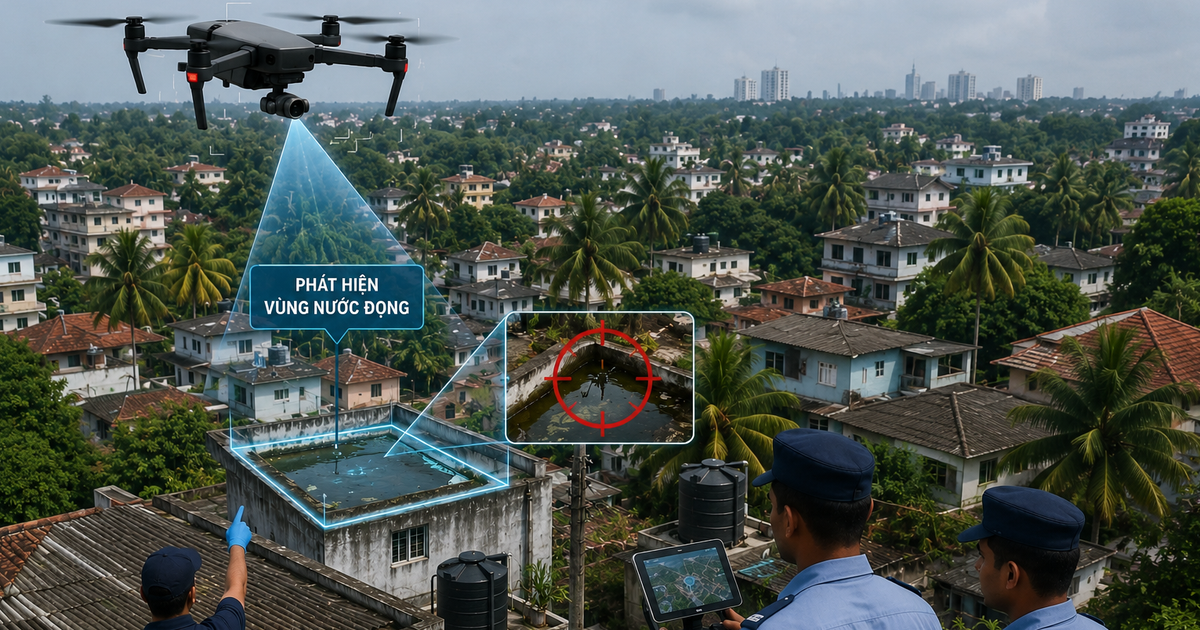
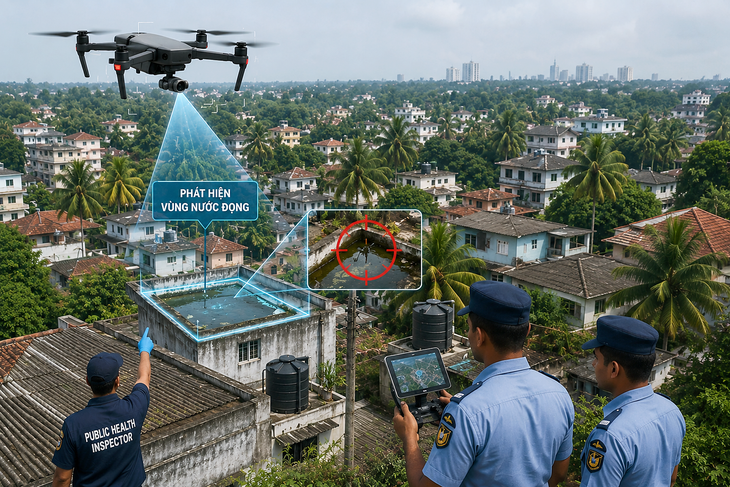
Recognizing that traditional ground-based inspections are insufficient for modern urban environments, the Sri Lanka Air Force (SLAF) has integrated its drone units into the national anti-dengue task force. These drones are equipped with high-resolution cameras capable of spotting even small amounts of standing water on flat roofs, in abandoned construction sites, and within blocked rain gutters.
Prior to this deployment, health inspectors had to manually climb ladders or request access to private balconies, a process that was both time-consuming and often met with residential resistance. The drones allow for a non-invasive, rapid assessment of entire neighborhoods in a fraction of the time. Once a potential breeding site is identified via aerial footage, ground teams consisting of police and military personnel are dispatched to the specific coordinates to treat the water with larvicide or ensure proper drainage.
Furthermore, the SLAF is utilizing these aerial assets to monitor large public spaces, including school grounds and government complexes. In some instances, specialized drones are being considered for the application of biological control agents or targeted fogging in areas where human access is restricted by terrain or infrastructure.
A Multi-Sectoral National Mobilization
The fight against dengue in Sri Lanka has evolved into a full-scale national mobilization involving the tri-forces (Army, Navy, and Air Force) and the national police. This inter-agency cooperation is focused on "Search and Destroy" missions aimed at mosquito larvae. Throughout the month of July, authorities have inspected thousands of premises, including private residences, educational institutions, and commercial centers.
The Ministry of Health reported that nearly 11,000 mosquito breeding sites have been identified and neutralized in this month alone. The government has also adopted a stern legal stance to ensure public compliance. More than 4,000 property owners and facility managers have been slapped with fines or legal notices for allowing stagnant water to persist on their premises. Officials emphasize that community participation is the only sustainable way to break the cycle of infection, as the Aedes mosquito requires only a teaspoon of water to lay eggs.
Healthcare Systems Under Unprecedented Pressure
The sheer volume of patients has pushed Sri Lanka’s public healthcare infrastructure to its limits. Hospitals in the most affected districts are reportedly overwhelmed, necessitating the addition of temporary beds and the conversion of non-emergency wards into specialized dengue treatment centers.
Kapila Kannangara, the acting director of the National Dengue Control Unit, stated that the public health workforce is currently "working at maximum capacity." The strain is not only due to the number of patients but also the virulence of the current strain. Health officials have identified that approximately 75% of the analyzed cases belong to the DENV-2 serotype. This specific strain is known for its high virulence and rapid transmission rates. Furthermore, DENV-2 is associated with a higher risk of Dengue Hemorrhagic Fever (DHF), a more severe and potentially fatal form of the disease, especially in patients who have previously been infected with a different serotype.
To manage the influx, doctors have begun advising patients with mild symptoms to seek treatment at home under strict medical supervision, reserving hospital beds for those showing "warning signs" such as persistent vomiting, abdominal pain, or mucosal bleeding. Medical staff, including doctors and nurses, have seen their shifts extended, and elective surgeries in some regions have been postponed to reallocate resources toward the dengue wards.
Background Context: Environmental and Economic Factors
The current outbreak cannot be viewed in isolation from Sri Lanka’s broader environmental and economic context. The nation is currently transitioning through its southwest monsoon season, which brings heavy rainfall and high humidity—conditions in which mosquitoes thrive. Climate change has further complicated these patterns, leading to erratic rainfall that leaves behind pockets of water in urban areas.
Additionally, the lingering effects of the country’s recent economic crisis have impacted the availability of certain chemicals used for fogging and the maintenance of municipal drainage systems. While the government has prioritized the import of essential medicines and larvicides, the logistical challenges of maintaining a clean urban environment during a period of economic recovery remain significant. The use of drones and military personnel is, in part, a cost-effective way to maximize limited human resources by targeting high-risk areas with precision.
The Challenge of Vaccination and Long-Term Prevention
While a dengue vaccine exists globally, its implementation in Sri Lanka remains a subject of intense debate among local health experts. The primary concern is the presence of multiple circulating serotypes. A vaccine that is effective against one strain may not offer full protection against others, and in some cases, could potentially increase the risk of severe dengue upon subsequent infection by a different strain—a phenomenon known as antibody-dependent enhancement.
The Ministry of Health is currently reviewing the latest clinical data on next-generation vaccines, but for now, the national strategy remains firmly rooted in vector control and public awareness. "Until a safe and universally effective vaccine is integrated into our national immunization program, our best defense is the elimination of breeding sites," a ministry spokesperson noted.
Future Projections and Seasonal Risks
As July draws to a close, health officials are cautiously optimistic that the peak of the current wave may subside as the monsoon rains weaken in August. However, they have issued a stern warning against complacency. Sri Lanka typically experiences a second peak in dengue cases starting in November, coinciding with the northeast monsoon.
The goal of the current drone-led operation is to reduce the "baseline" mosquito population as much as possible before the second rainy season begins. If the current momentum of 18,000 cases per fortnight continues, the 2024 outbreak could surpass the 2017 record, placing an even greater burden on a nation still finding its footing.
In conclusion, the deployment of drones by the Sri Lanka Air Force represents a significant leap forward in the country’s public health strategy. By combining military precision with medical expertise, Sri Lanka is attempting to innovate its way out of a recurring seasonal crisis. The success of this initiative will be measured not just in the number of roofs inspected, but in the flattening of the infection curve and the preservation of lives in the face of a dangerous and evolving viral threat. The international community continues to watch Sri Lanka’s use of UAV technology as a potential blueprint for other tropical nations facing similar epidemiological challenges.