New South Wales Proposes Mandatory Product Stewardship Scheme to Manage Solar Panel Waste

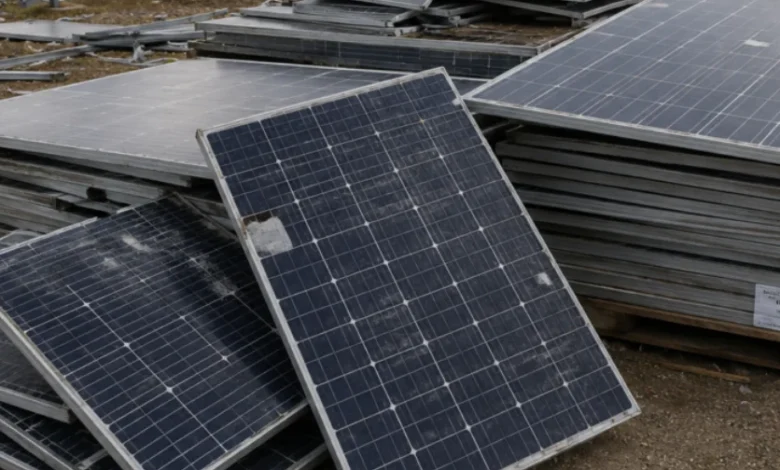
The New South Wales (NSW) government has officially unveiled a proposed mandatory product stewardship scheme aimed at transforming how the state manages the rapidly growing volume of end-of-life solar panels. This regulatory initiative is designed to hold photovoltaic (PV) panel suppliers accountable for the entire lifecycle of their products, effectively shifting the burden of waste management from local landfills to the private sector. By mandating that suppliers participate in a structured recovery and recycling program, the state government hopes to curb the mounting environmental risks associated with abandoned electronic waste and facilitate the transition toward a circular economy.
The Scale of the Solar Waste Challenge
The urgency of this proposal is rooted in the unprecedented success of solar energy adoption across Australia. According to official data from the New South Wales government, there are currently over 1.18 million residential rooftop solar systems installed across the state. While this represents a significant achievement in decarbonizing the energy grid, it has also set the stage for a massive wave of decommissioning in the coming decades.
As early-generation systems reach the end of their operational lifespan—typically estimated at 20 to 25 years—and as households increasingly opt to upgrade to higher-efficiency modules, the volume of discarded PV panels is projected to skyrocket. Currently, NSW generates approximately 14,000 tonnes of solar panel waste annually. However, internal projections from the Department of Climate Change, Energy, the Environment and Water suggest that this figure could reach 89,000 tonnes by 2045. Without a formal, government-backed infrastructure to manage this influx, a significant portion of these panels is destined for landfills, where they pose long-term environmental hazards due to the presence of heavy metals and other materials that are difficult to process safely.
Current Waste Management Deficiencies
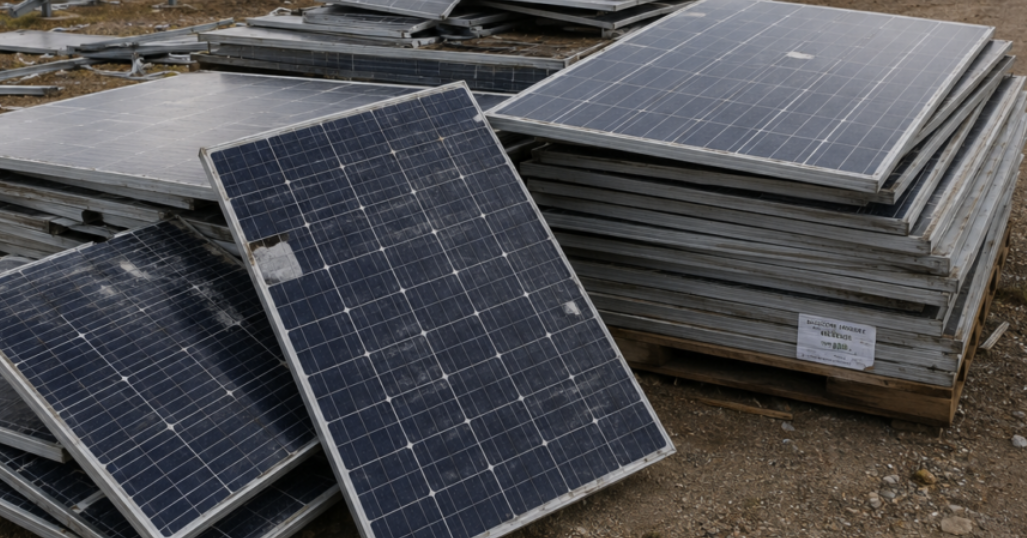
The existing waste management framework in New South Wales is largely unequipped to handle the sheer volume and technical complexity of decommissioned solar arrays. The New South Wales Environment Protection Authority (EPA) has noted that a concerning percentage of PV waste is currently ending up in landfills, in unauthorized storage facilities, or, in extreme cases, being dumped illegally.
The current lack of a standardized, regulated recycling pathway means that the economic value embedded in these panels—such as silver, silicon, copper, and aluminum—is being lost. Furthermore, the physical composition of solar panels makes them bulky and hazardous to manage in standard municipal waste facilities. The proposed stewardship scheme aims to rectify this by integrating recycling logistics into the supply chain, ensuring that manufacturers and importers take financial and operational responsibility for the collection, transport, and processing of their units.
Official Stance and Policy Objectives
Penny Sharpe, the Minister for the Environment and Heritage in NSW, has been a vocal advocate for this shift in policy. During the announcement of the consultation process, she emphasized that the state’s embrace of solar energy must be balanced by a commitment to environmental stewardship.
"New South Wales has welcomed rooftop solar with open arms, and we must ensure that these panels do not become a landfill crisis for future generations," Minister Sharpe stated. She explained that the proposed regulations are designed not merely as a waste-reduction measure but as a strategic economic lever. By formalizing the recycling industry, the government intends to create new opportunities for specialized labor, technological innovation in material recovery, and a secondary market for reclaimed raw materials.
Minister Sharpe further noted that the initiative is a critical component of the state’s broader circular economy strategy. By keeping high-value materials within the industrial cycle rather than disposing of them, the scheme intends to reduce the carbon footprint associated with mining and refining new raw materials for future production.
Industry Perspective: The Need for National Alignment
The proposal has received a measured welcome from industry stakeholders, including the Smart Energy Council (SEC). David McElrea, Chief Executive Officer of the SEC, has characterized the draft legislation as a foundational step toward a sustainable circular economy. However, he has also cautioned that state-level initiatives, while necessary, face significant hurdles if they remain siloed from national policies.
"The supply chain for solar energy does not stop at state borders," McElrea noted. "A patchwork of different regulatory requirements across various states and territories would be inefficient and significantly increase costs for consumers, businesses, and the industry at large."
According to the SEC, if New South Wales proceeds in isolation, it risks creating a fragmented market where the logistics of recycling become prohibitively expensive. Estimates suggest that if a uniform, federal framework is not established, up to 70% of Australia’s total end-of-life solar panels could remain outside the reach of the NSW recycling infrastructure. Consequently, the industry is calling for the Federal Government to take a leadership role in harmonizing these requirements to provide the scale and regulatory certainty needed for large-scale investment.
Implications for the Energy Transition
The transition to renewable energy is often viewed through the lens of generation capacity and grid stability, but the management of hardware assets is becoming an increasingly vital pillar of policy. The NSW proposal underscores the realization that sustainable energy is only truly sustainable if the lifecycle of the technology is managed responsibly.
For consumers, the shift may eventually lead to a standardized "end-of-life" fee or a more integrated service model where installation companies provide decommissioning services as part of a package deal. For the manufacturing sector, it represents a shift from a "take-make-waste" model to a "take-back" responsibility. The economic implications are also noteworthy: a robust recycling sector could potentially turn the "waste" of the solar industry into a consistent supply of secondary resources, potentially lowering the costs of future solar manufacturing.
Timeline and Next Steps
The New South Wales Environment Protection Authority (EPA) has initiated a public consultation period to refine the details of the proposed regulations. This process is essential for balancing the stringent environmental protections required by the government with the operational realities of the solar installation and supply industry.
The current roadmap dictates that the proposed regulations are scheduled to come into effect in 2028. This lead time is intended to allow the industry to develop the necessary collection infrastructure and for businesses to adjust their business models to comply with the new requirements. The EPA is currently accepting submissions from stakeholders, businesses, and the public regarding the draft proposal, with the consultation period set to close at 5:00 PM on November 16, 2026.
As Australia continues to lead the world in per-capita rooftop solar adoption, the success of this New South Wales initiative will likely serve as a blueprint for the rest of the nation. The outcome of these consultations will be closely watched by environmental policymakers and renewable energy firms worldwide, as it represents one of the most proactive attempts to manage the coming global surge in solar panel decommissioning. By addressing the "hidden" cost of the green transition today, New South Wales is attempting to ensure that the solar boom remains an unalloyed environmental success.
Related posts: